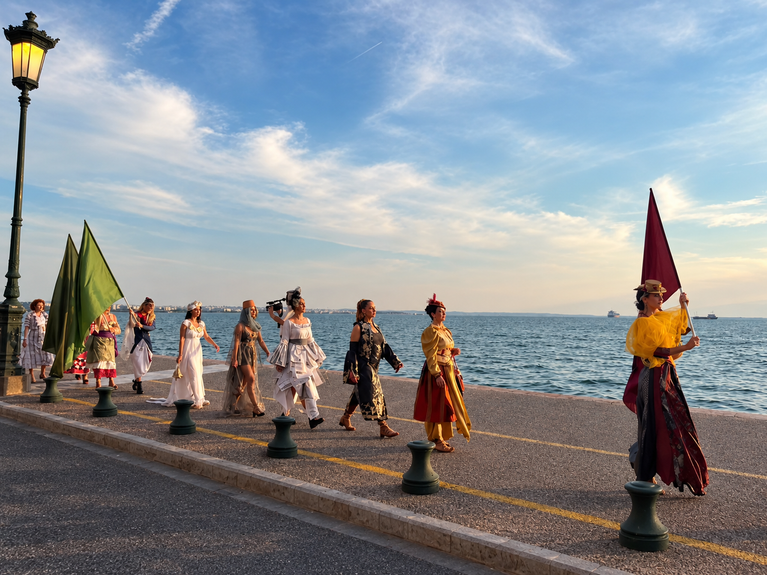
Women’s emacipation, the multicultural past of the city and sustainability at the heart of a unique fashion show on Thessaloniki’s Old Seaside Promenade
August 1, 1908. The women of Thessaloniki flock to the summer theatre of the White Tower, gathering for an event that would become etched into the city’s history. It was the first women’s gathering in Thessaloniki, dedicated to claiming women’s rights. This landmark event became the inspiration behind this year’s “Nea Paralia – Nea Pasarela 12”, under the distinctive title “Cosmo.Polis.”
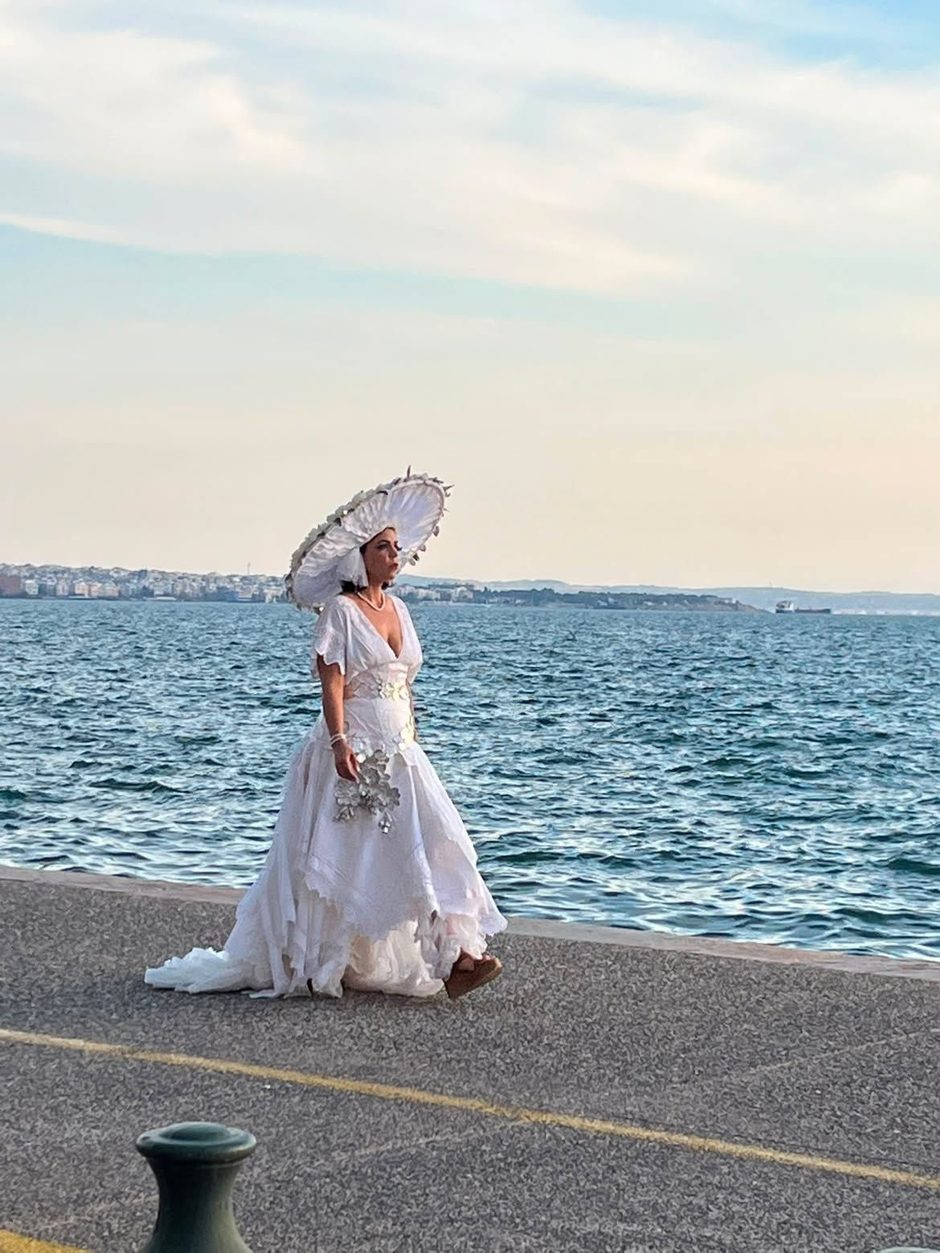
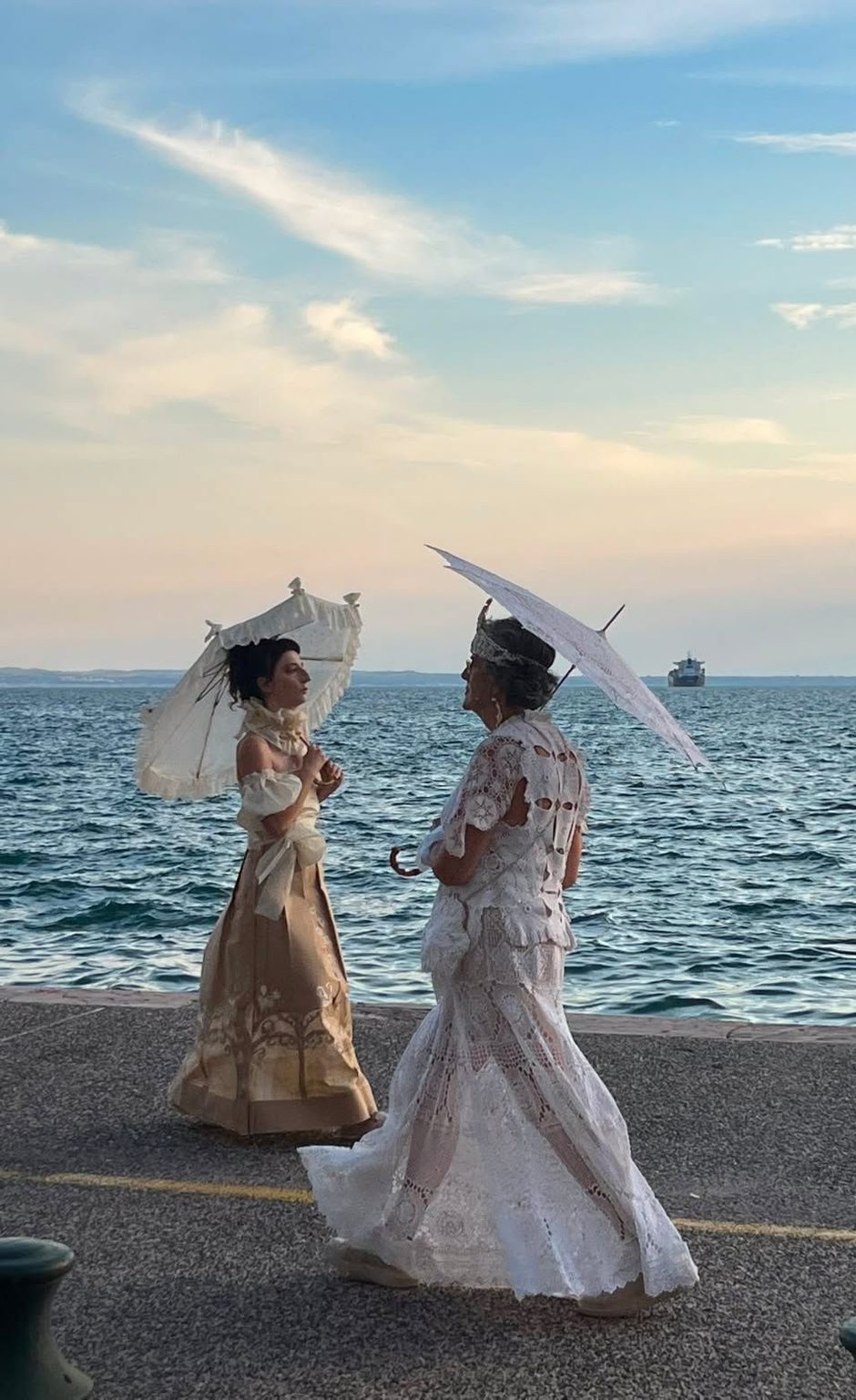
On Sunday afternoon, against the backdrop of the Thermaic Gulf, the unique and multifaceted cultural identity of early 20th-century Thessaloniki was brought back to life. 58 fashion creations captured its essence.The designs, silhouettes, volumes and colour palettes of the garments transported the audience back to the Thessaloniki of another era: the cosmopolitan city of the Balkans, a true crossroads of cultures, where European influences met Oriental traditions and the city’s gaze remained constantly turned towards both East and West.
Walking through Thessaloniki’s streets, one could hear a multitude of languages, encounter the communities that shaped its social fabric, Greeks, Ottomans, Armenians and Jews, and catch the scent of aromas travelling from the French shores all the way to the depths of Asia. It was a colourful and polyphonic city, where cultures, religions and traditions coexisted, each leaving its own distinctive mark on everyday life.
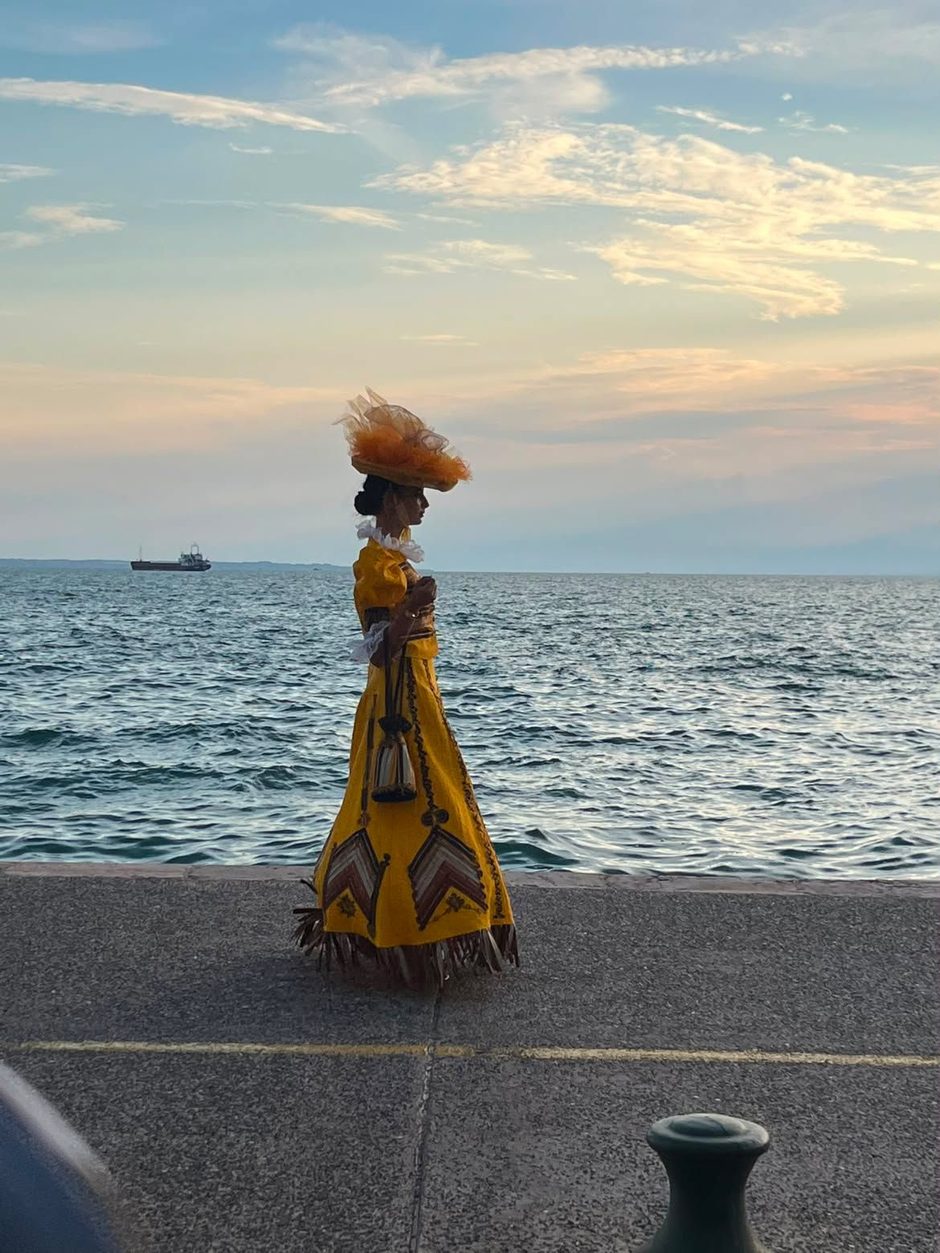
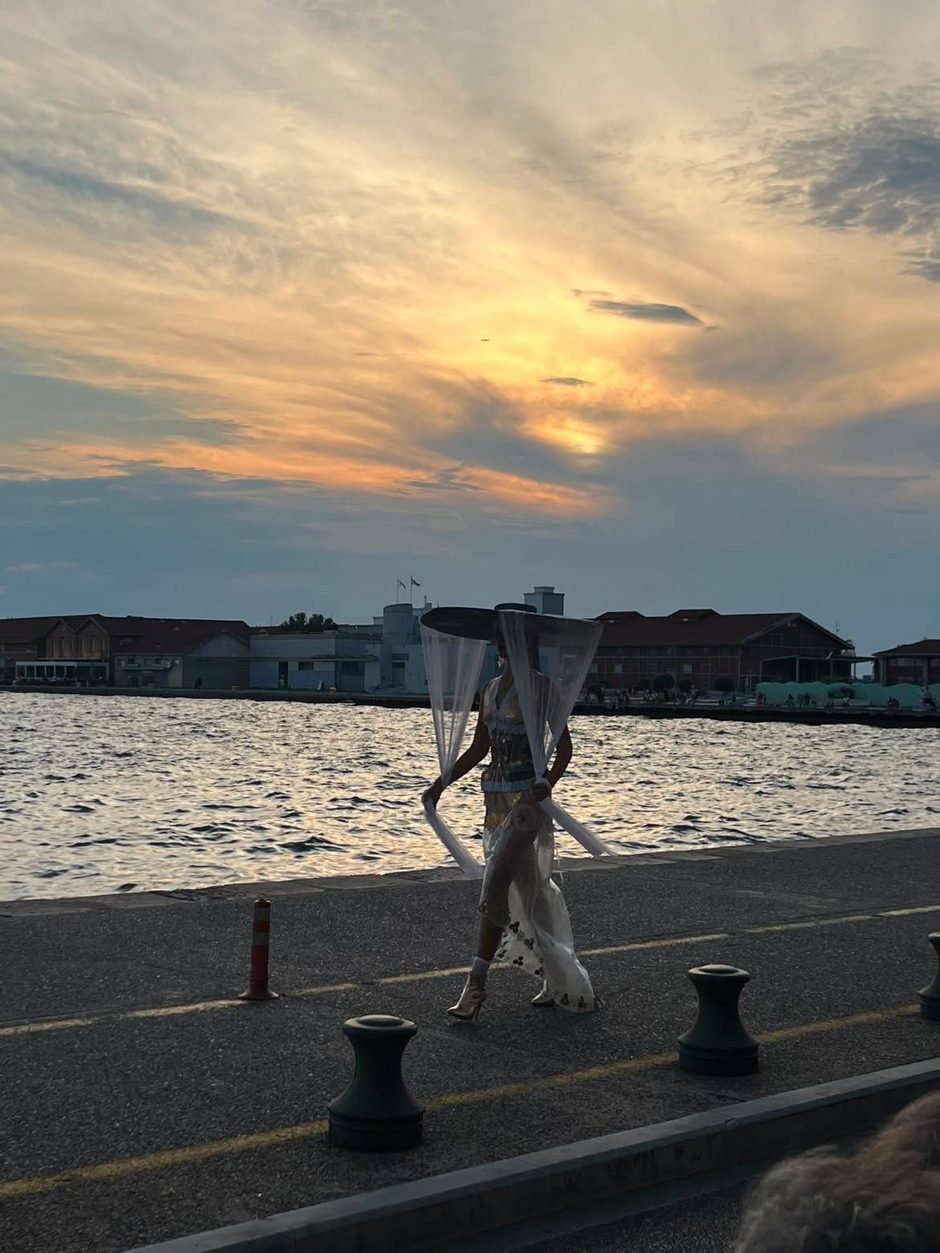
Set between two iconic landmarks of Thessaloniki, Aristotelous Square and Eleftheria Square, the runway brought the creations of 40 designers before the audience. The garments drew inspiration from the fashion aesthetic of Thessaloniki’s women in the early 20th century, paying tribute to the style of another era while reintroducing it to the present through a contemporary lens. At the same time, the garments reflected the cultural blend that characterised Thessaloniki at the time, drawing on the communities, traditions and sartorial influences that coexisted throughout the city.In this way, a fashion style from almost a century ago was transformed and given new life through modern design.
With “Long Live Freedom” as its central motto, this year’s runway sought to highlight the pivotal role women played in shaping the identity of the city. Women from every community of Thessaloniki, Greek and Frankish, Muslim and Orthodox Christian who, despite their apparent differences, shared the same urban space and came together in the pursuit of their emancipation.
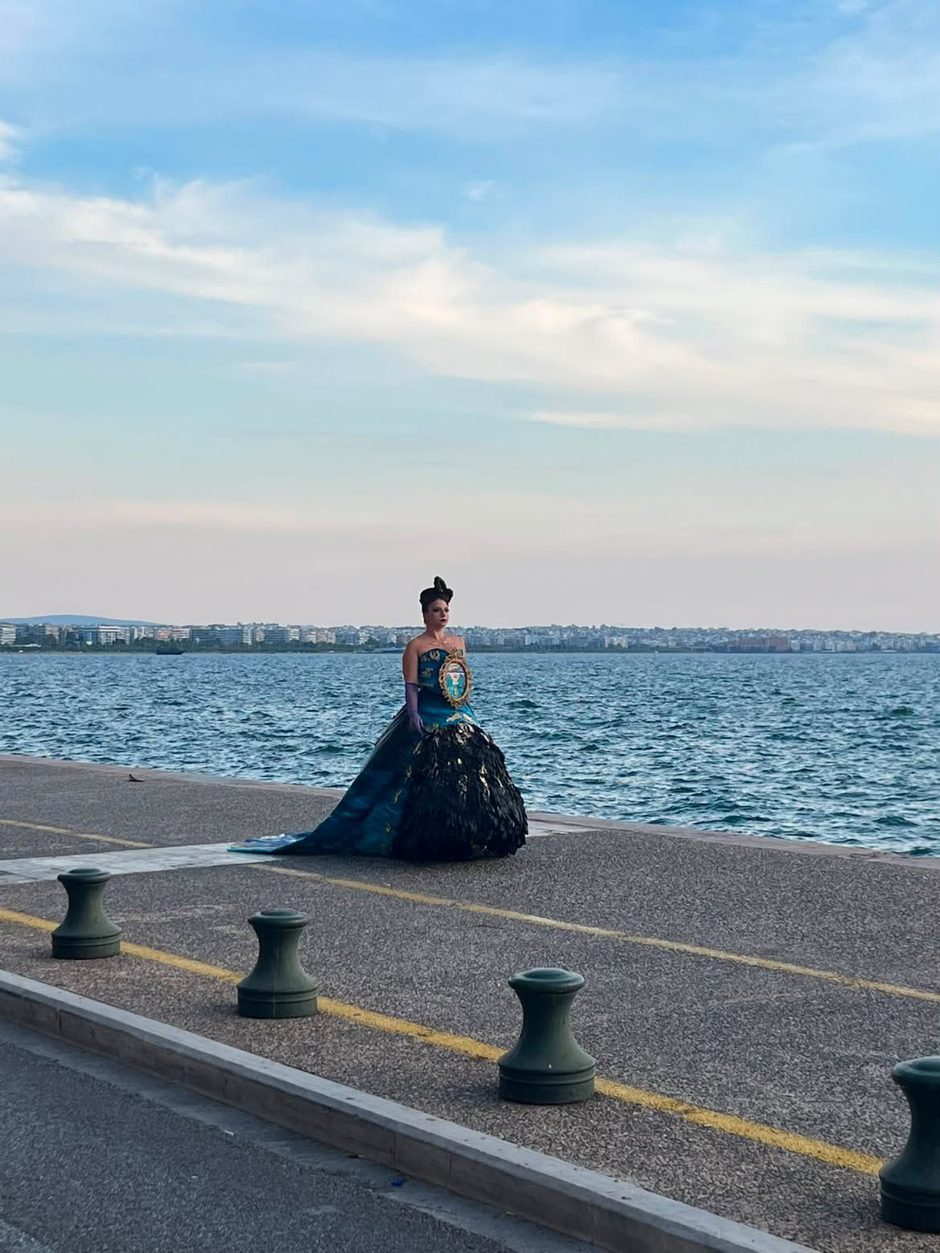
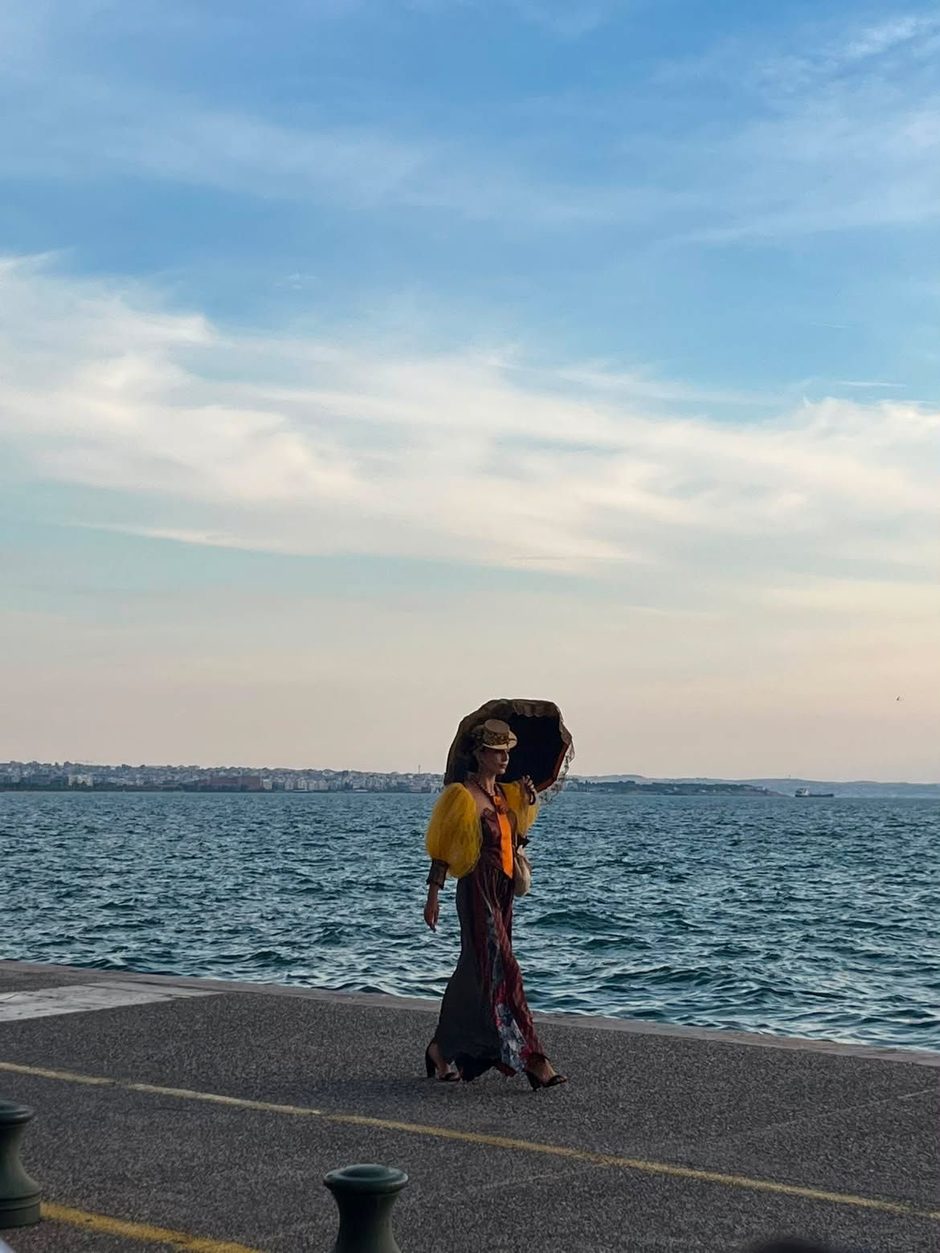
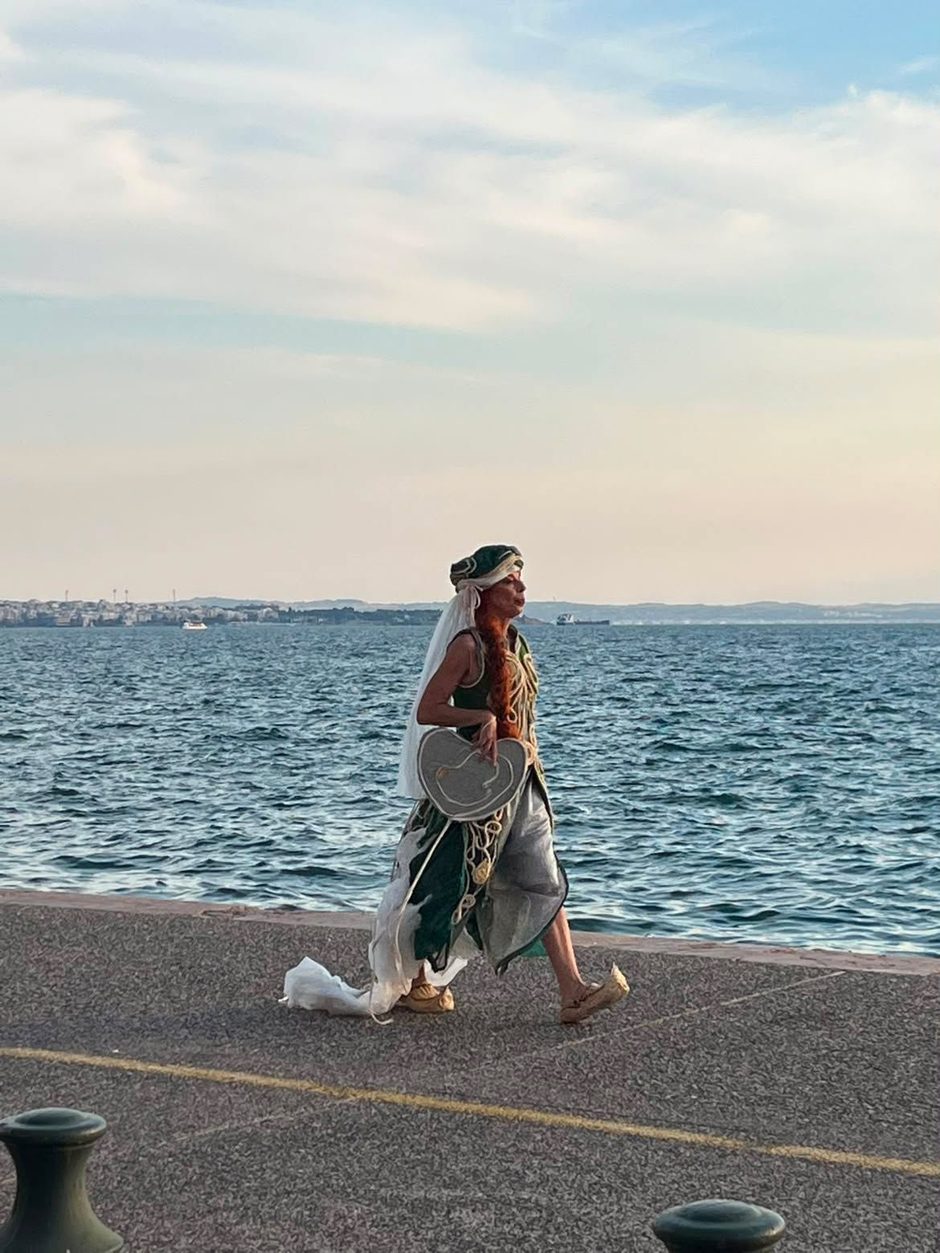
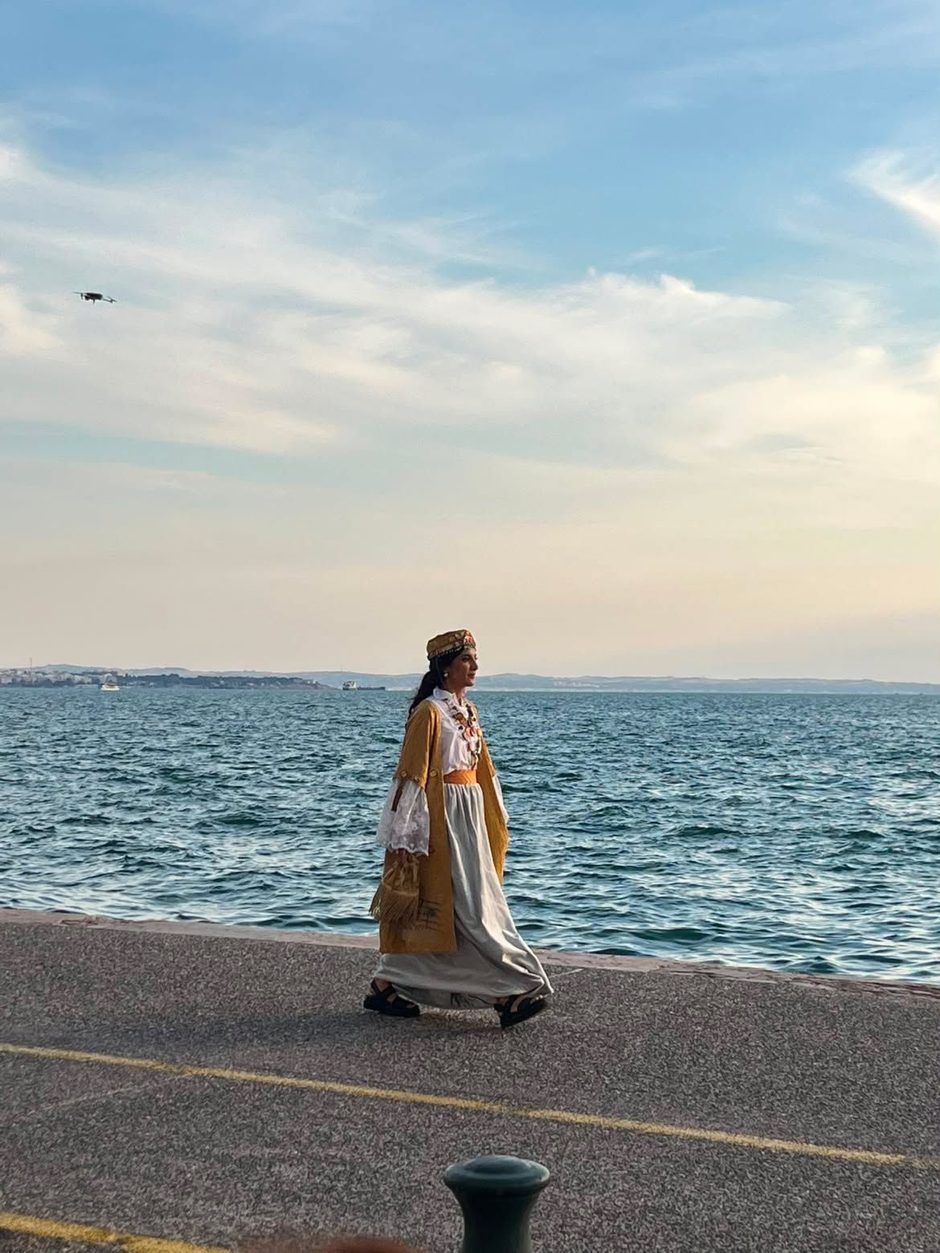
Their garments, each one distinct in its own right, became storytellers of the city’s past. From the corsets and shimmering European dresses worn by Greek and Jewish women to the traditional, Oriental garments of the Ottoman communities, clothing became a language through which the history of Thessaloniki could be retold. In this way, the runway created a bridge between the Thessaloniki of today and the city as it stood at the dawn of the 20th century.
Another important dimension of the runway was its strong environmental consciousness. All the garments were created using second-hand and recyclable materials. From well-worn clothes to old awnings, the designers breathed new life into fabrics, textiles and objects that might otherwise have ended up in the trash. Drawing inspiration from the colours, silhouettes and prevailing fashion trends of old Thessaloniki, they transformed discarded materials into 58 one-of-a-kind looks that echo the city’s multicultural past.
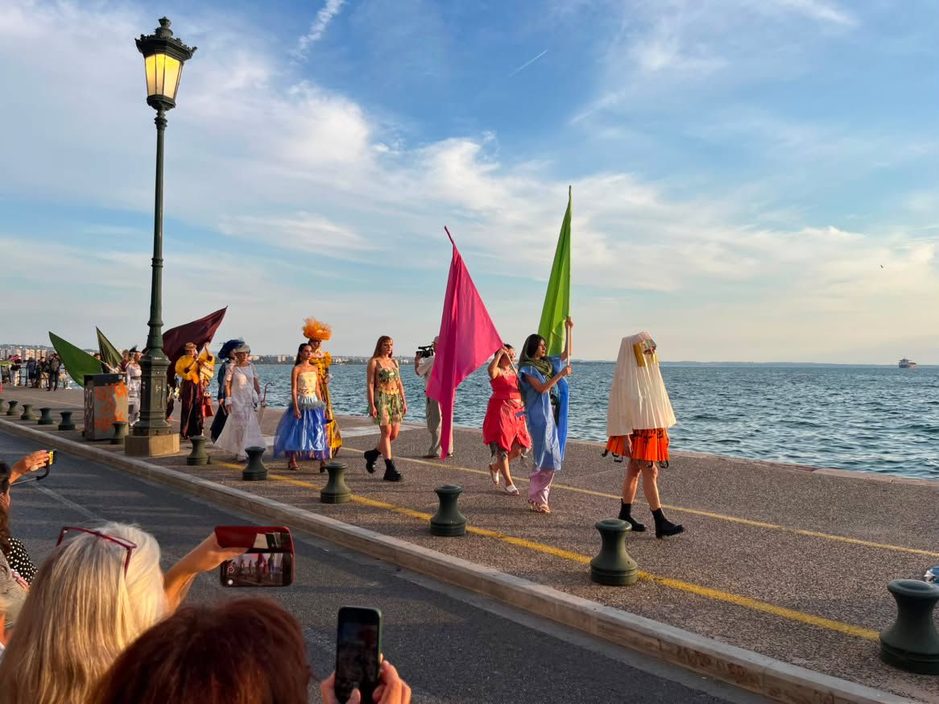
The unique event that managed to unite women, history and sustainability through fashion, transforming clothing into a medium of expression, memory and social messaging, was co-organised by the Municipality of Thessaloniki and the “Friends of Nea Paralia” Association,with Bernard Cuomo and Areti Kondylidou serving as the event’s artistic directors.
Photo credits: Alexandros Tarchanidis
