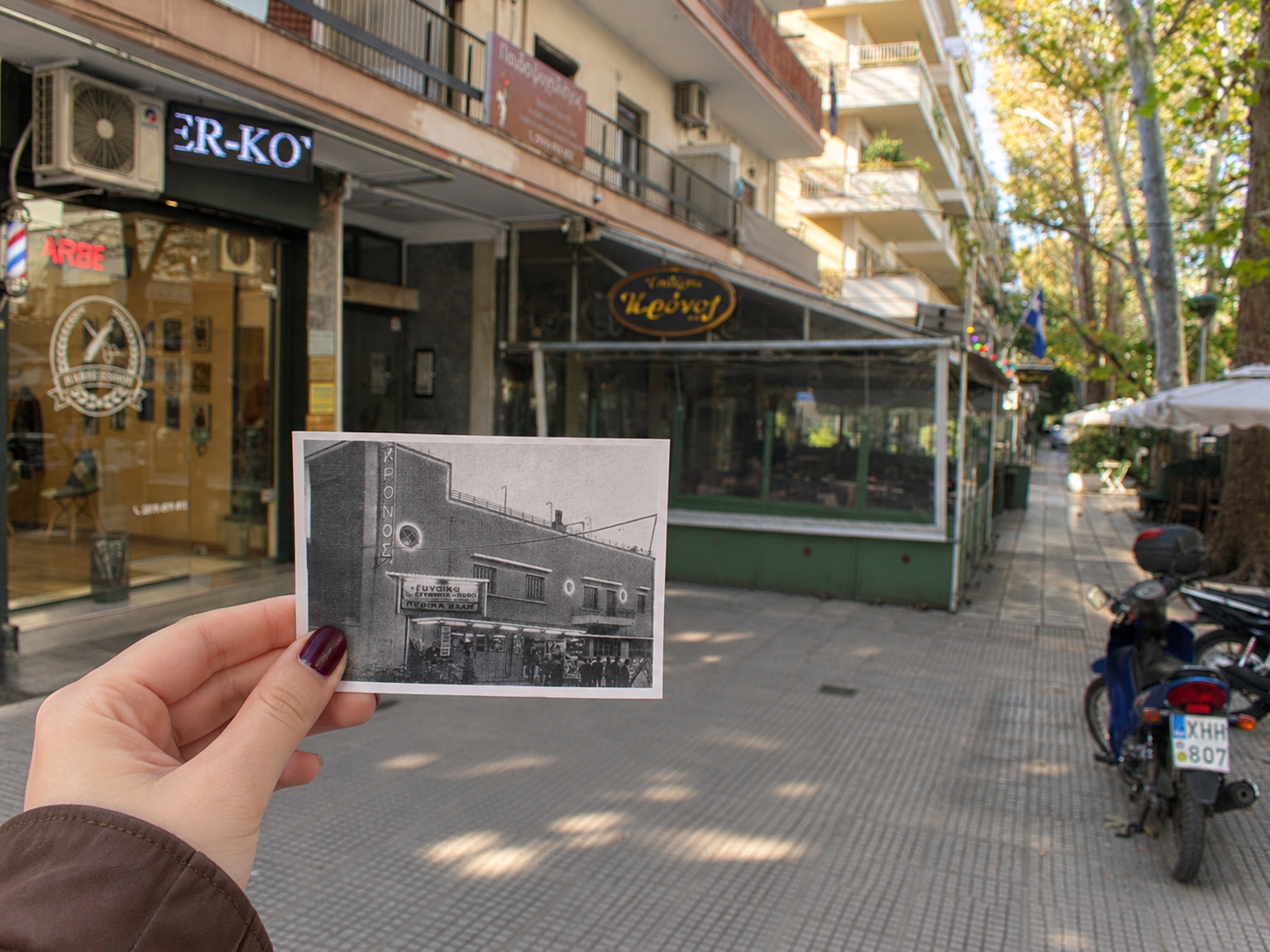
Thessaloniki and cinema. A timeless, romantic, unique relationship. Thessaloniki has a distinctive cinematic identity: it is the city of the biggest Film Festival in Greece, the first city in the Balkans to have a cinema theatre, the city that has provided the backdrop for some of the most memorable scenes in the films of acclaimed Greek directors such as Pantelis Voulgaris and Theo Angelopoulos. Its streets were once lined with some of the most beautiful cinemas in the country, while at various points in time, more than 160 cinemas operated simultaneously across the city. Today, little remains of Thessaloniki’s once-thriving cinema scene. Only a handful of independent neighbourhood cinemas have survived, with their future increasingly uncertain. But how did Thessaloniki’s cinema landscape change so dramatically?
This retrospective traces Thessaloniki’s cinematic journey, from the arrival of the Seventh Art in the city in the early 20th century, to the transformation of the cinema landscape in the decades that followed, bringing us to a present where the city’s once-bustling cinema landscape has been reduced to a shadow of its former self.
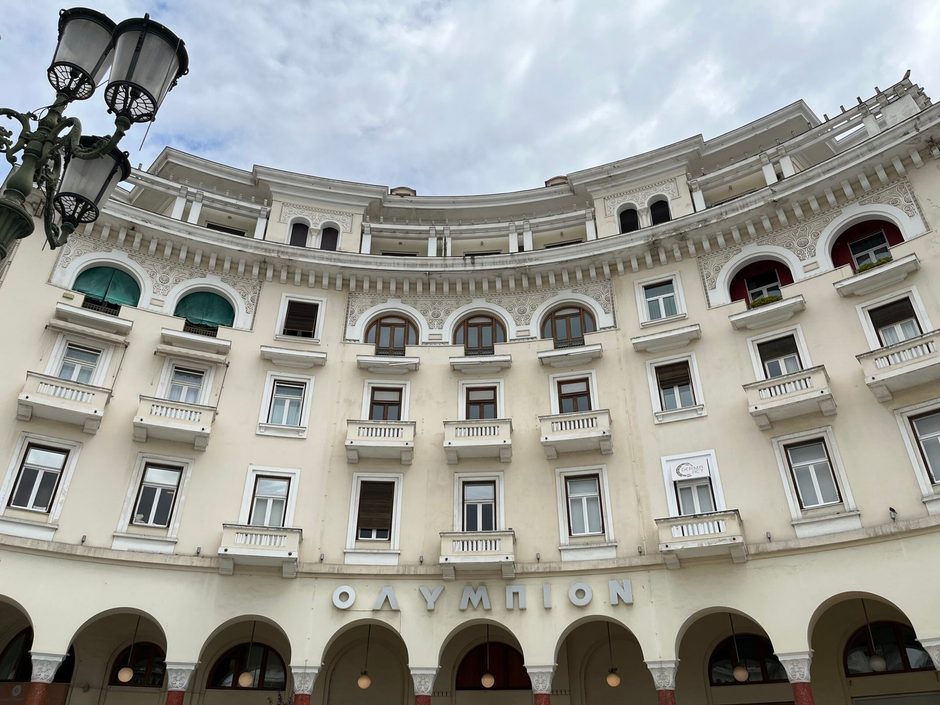
The First Film Screening at “Turkey” Beer Hall and the Olympia Cinema: Thessaloniki Encounters the Seventh Art
July 1897. Only a few months have passed since the “ill-fated” Greco-Turkish War. Tensions are running high across the Balkans, while social and political changes are unfolding constantly and unpredictably. Yet, against the backdrop of this unsettled period, the people of Thessaloniki flock to the small beer hall “Turkey” to witness a new phenomenon of an ever-changing era: cinema. Inside the modest beer hall, they watch in wonder as the moving images of the Lumière brothers bring the streets of Paris and everyday life in the French capital to the screen for the first time. The Seventh Art has officially arrived in the city, just months after its invention.
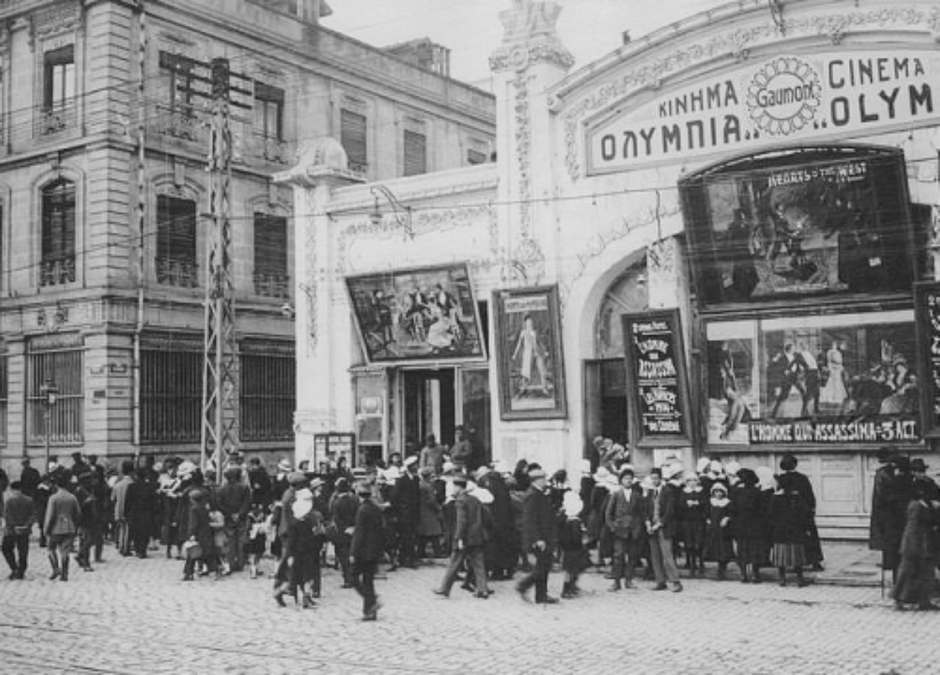
Sporadic screenings of short “films” in cafés across the city followed. Then, in 1903, Thessaloniki acquired its first dedicated cinema: the Olympia, located on the waterfront, next to Eleftherias Square. The city was breaking new ground. The Olympia was the first permanent cinema in the Balkans, opening its doors before cinema found a permanent home in either Athens or Constantinople.The people of Thessaloniki quickly embraced the new medium, and the Olympia soon filled with enthusiastic audiences eager to discover the moving images that were transforming the world of entertainment.
A Growing Love for Cinema and the Rise of Iconic Theatres
The growing enthusiasm for cinema among Thessalonians soon led to the creation of new cinematic venues. In 1905, the garden of the White Tower was transformed into an entertainment complex featuring a cinema, café and restaurant.
In 1911, the historic “Pathé” cinema opened its doors on the seafront. It was the city’s largest cinema, boasting the most extensive programme of screenings, including comedies, dramas and morning screenings for children. Other legendary cinemas began opening across Thessaloniki during the first decades of the 20th century. Among them was the “Pallas”, a luxurious 800-seat cinema built in 1913 on Leoforos Nikis, whose striking façade was designed by architect Eli Modiano.
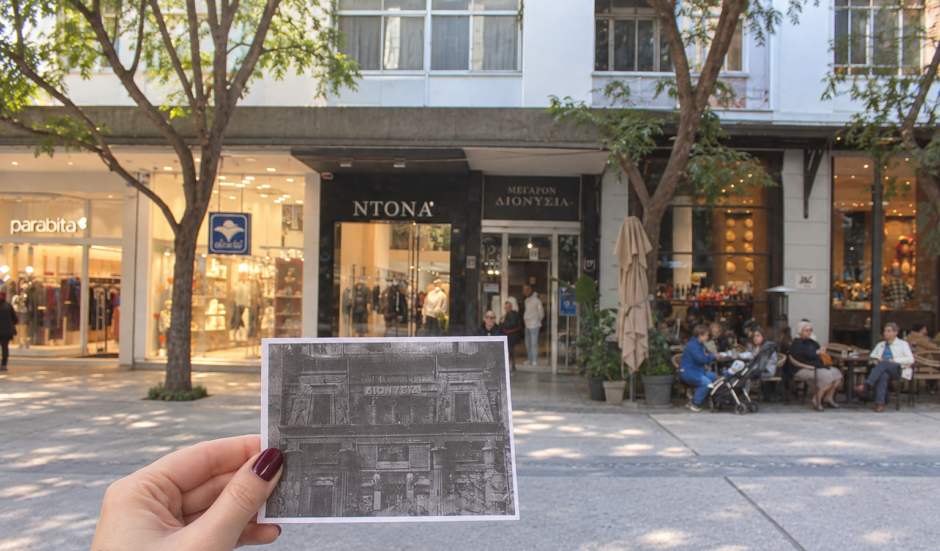
Then came the “Dionysia”, the landmark cinema on Agias Sofias Street. Opened in 1926, it was distinguished by its characteristic Egyptian-style façade and became the first cinema in the city to screen a talking picture. One cinema, however, deserves a special mention: the “Koursal”, Thessaloniki’s only floating cinema! Setting sail from the White Tower, the “cinema boat” screened American low-budget productions every night, accompanied by a live orchestra as it cruised along the Thermaic Gulf.
Cinemas in Times of Turmoil: From Entertainment Venues to Spaces of Propaganda and Political Mobilization
As one might expect, the social and political upheavals of the time did not leave Thessaloniki’s cinemas untouched. Their operation and screening programmes underwent a series of changes, shaped by the political and wartime events of each period. During the First World War, the Allied forces of Britain and France screened war reports and films, while the “Pathé” even served as a detention centre for Bulgarian hostages.
Cinemas also took on an entirely different role, becoming venues for political and workers’ gatherings. Some of the city’s most prominent cinemas, including the “Achilleion” and the “Attikon”, were frequently made available to unions and organisations for assemblies and meetings.
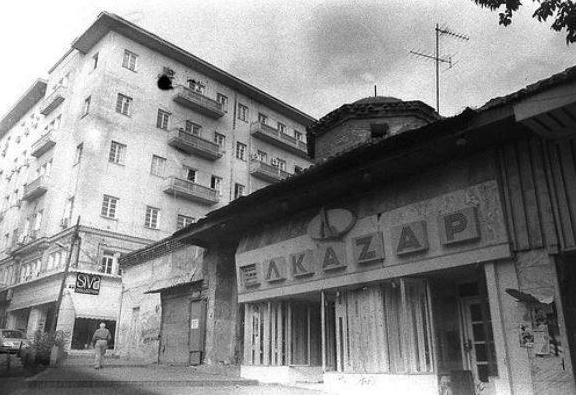
The Asia Minor Catastrophe and the arrival of thousands of displaced Greeks once again transformed Thessaloniki’s cinematic landscape. The city’s rapidly growing population created an urgent need for new cinemas, prompting local entrepreneurs to make bold and, at times, controversial, choices. Places of worship once used by the city’s Muslim community, which had left Thessaloniki in the wake of the population exchange, were converted into venues for film screenings.In 1925, the “Aigli” cinema opened its doors inside the Yeni Hammam, followed in 1932 by the legendary “Alkazar”, housed in the Hamza Bey Mosque.
The Golden Age of Cinema (1960–1970): A Cinema on Every Corner
Undoubtedly, cinemas across Greece reached the height of their glory during the 1960s and 1970s, when audiences flocked to screenings of films from the so-called “Golden Age” of Greek cinema. This was an era when actors were not merely actors, but stars, while the country’s major studios, such as Finos Film, were releasing as many as two films a week. Cinema became an integral part of everyday life, with theatres packed to capacity night after night, while virtually every neighbourhood in the city had at least one first-run or second-run cinema.
In 2025, a group of students from the Film Department of Aristotle University of Thessaloniki set out to map every cinema that operated in the city between 1945 and 2000. Their findings confirm the heyday of cinema in Thessaloniki, spanning from the 1960s to the early 1980s: from Stavroupoli and Polichni to Peraia, the city was home to no fewer than 160 cinemas! Among the most legendary venues to flourish during this period were “Ilyssia”, “Rio” and “Royal”. At the same time, Thessaloniki welcomed its first drive-in cinemas, an American innovation that quickly won over the city’s film-loving audiences.
The Millennium’s End, Cinema’s “End”
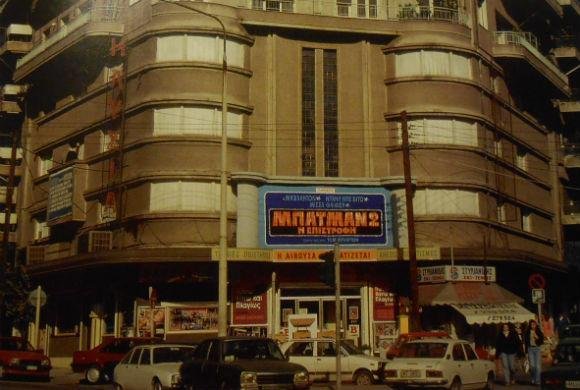
The glory days of cinema would not last forever. The 1980s ushered in a period of profound change, both in Greece’s socio-political landscape and in technology. Television had now found its way into every Greek household, while cities began to fill with towering apartment blocks. Neighbourhood cinemas closed one after another, making way for eight-storey buildings or being converted into branches of supermarket chains.
In Thessaloniki, the 160 cinema screens of the 1960s and 1970s dwindled to 97 in the 1980s, before falling to just 46 in the 1990s. From VHS tapes to DVDs and, eventually, rampant online piracy, films became increasingly detached from their natural home: the darkened cinema auditorium. Instead, they found their way onto television and computer screens.
Seven Cinemas Against The Odds
Today, Thessaloniki’s cinema landscape bears little resemblance to that of its past. The dominance of multiplex chains is unmistakable, while only a handful of neighbourhood cinemas have managed to survive. Makedonikon, Vakoura and Kolosseon are the city’s last remaining independent indoor cinemas, while Natali, Apollon, Ellinis and Alex are the only open cinemas that’s left.
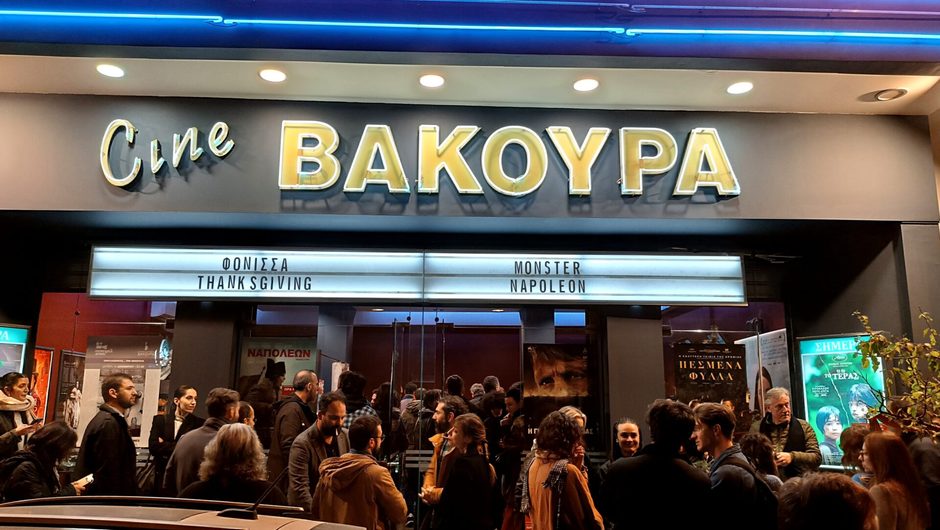
Of the few cinemas that remain, only Alex and Natali have been officially designated as monuments of modern cultural heritage, granting them protection under the relevant ministry and safeguarding their continued operation. The city’s other neighbourhood cinemas, however, remain on precarious ground. Despite attracting a noteworthy number of moviegoers, their future is far from secure, as their operations can be brought to an abrupt end at any time, at the discretion of the property owners.

