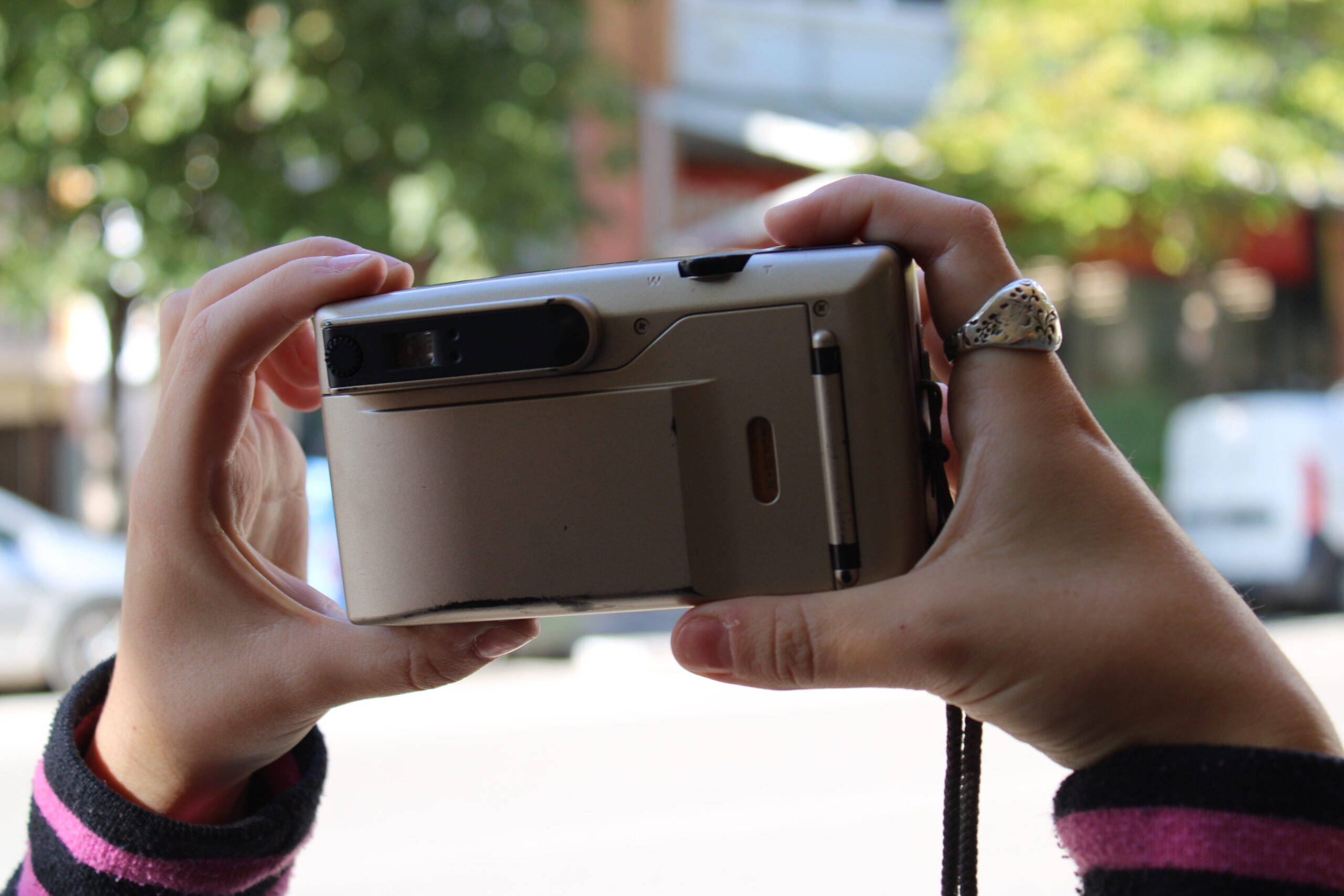
In the past few years film photography was subjected to a big and unexpected raise of popularity in the global market. According to the Pellica Film Revival Stats since 2020 there has been a 127% increase in wholesale film orders showing an interest especially among people under 35.
The question that might arise in someone’s mind is “What’s the appeal of this old fashioned way of taking pictures for younger generations?”
The answer is not as simple as you might think. At first it may seem just a way for people to reconnect with their childhood memories: reusing their parents’ old cameras gives them a nostalgic feeling, while conferring the pictures a vintage tone.
This increasing phenomenon, however, cannot be reduced to just this.
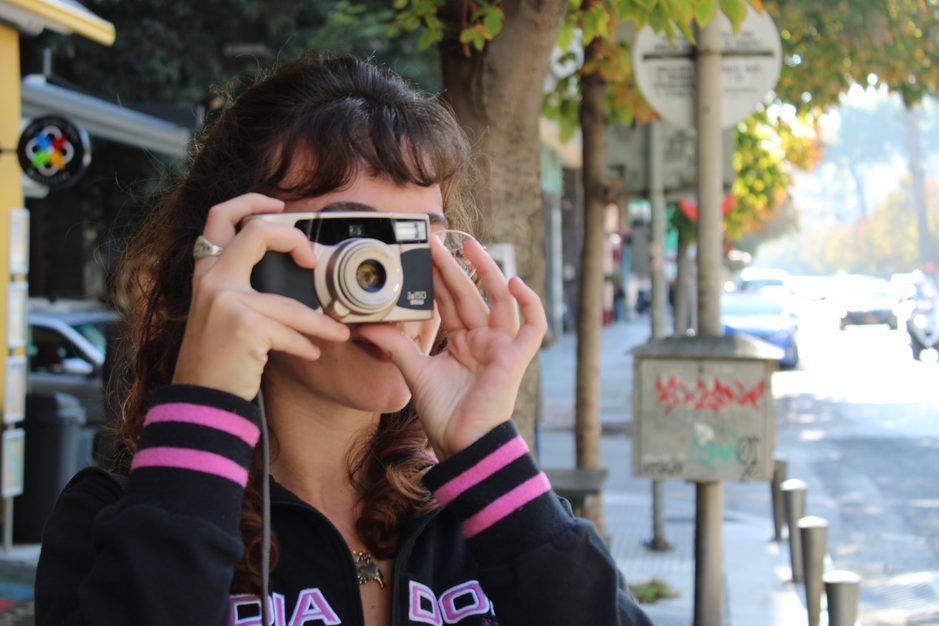
In a world currently dominated by AI and digital devices, film photography represents in fact a way to hold on to the concept of waiting: while everything in our reality rushes faster and faster, the possibility of taking a limited amount of pictures and having to wait for them to be developed symbolizes one of the few ways to actually hold on to past memories. Not having the possibility to immediately see the result of what you captured through the camera, as you would do with a phone, confers an almost magical aura to the moment when you finally see the final product of usually weeks, maybe even months, of picture-taking.
The magic stems from seeing photos that you didn’t remember taking, but also from the awareness of capturing genuine and spontaneous moments that sometimes you wouldn’t think of shooting on a digital device. Furthermore, the photos most of the time result in having a vintage, almost artistic touch to them that makes them stand out from the enormous amount of pictures we take everyday.
This artistic feel that sometimes characterizes analog photographs is also a consequence of the limited amount of pictures that each film allows you to take. This quality of film photography pushes people to put more intention into their shots: the objective is avoiding the feeling of wasting important and expensive film on something that was not worth capturing. Every shot gains a special value due to its uniqueness and the fact of being unrepeatable.
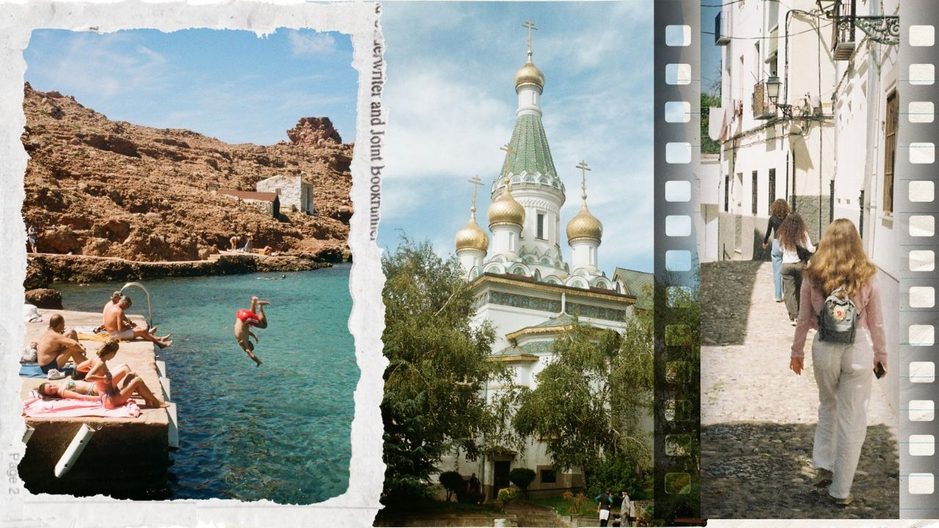
Another charming aspect of analog photography is also represented by the way it forces people to have a more manual and physical approach to photography itself: having to upload or change the film, learning when and how to use the flash, zoom in and out, but even learning which light looks best or which angle fits better for each picture makes it an occasion to actually gain manual skills that phones and digital devices made superficial and unnecessary to obtain.
Despite all of these perks, film photography also presents some disadvantages. Primarily it is usually somewhat expensive due to the cost of film and having to get it developed; in addition to that, there is also the risk of the photos not turning out the way you wanted or expected. This implies ending up disappointed and unsatisfied with the results, especially knowing that you spent a significant amount of money on it.
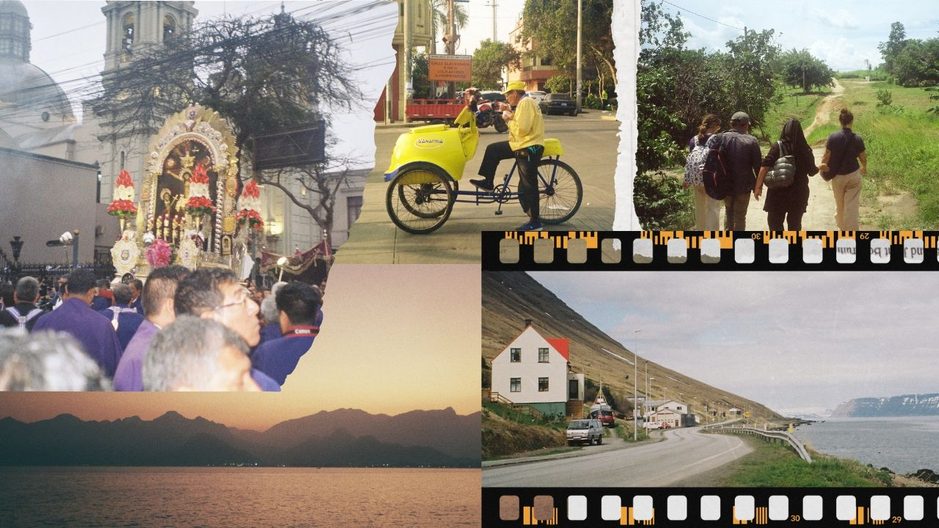
However, I personally consider the unpredictability that analog photography holds as part of its own charm. It contrasts with a world of perfectionism and over-edited pictures where everyone seeks flawless shots through constantly capturing everything that may even slightly attract their attention.
Film photography, on the contrary, forces you to concentrate and choose a specific moment to immortalize, taking the risk of not knowing how it will turn out in the end.
It’s a process of putting effort and intention into capturing fleeting moments of our daily lives transforming them into permanent memories without any certainty regarding the outcome.
Ultimately, although at first glance it may seem an outdated and impractical method of taking pictures, film photography actually still maintains a strong appeal due to the way it contrasts with modern devices and their fast, simple and automatic process of capturing moments without even thinking.
It represents a way for young people to slow down the process of collecting memories and rediscovering the precious meaning of photography itself.

