Written by Viola Ventura
The first time I stepped foot in Thessaloniki it was the 1st of october 2024, and I felt home.
Not in the sense of cultural integration, or hospitality, but meaning that I felt in a real place. People chilling in bars, trash and random objects left on the side of the road, street cats running around, and graffiti in every single free space of wall. I felt the most lucky person ever as I found a room for rent for less than 100 euro, which, for the place I come from, sounds like a dream, or more probably, a scam.
Florence, the city I lived in for 25 years, may have been this cheap only way before I could speak and walk, probably even before the existence of the euro. In the last 20 years, the city center has lost 30.000 local residents as the last 25 years of administration have organized the city around luxury tourism, Airbnbs and the concept of “decoro”. The latter could be translated as “decency” or “propriety”, implying to be appropriate for the views of the rich international tourists that sleep in hotels for a thousand euros a night and cannot be bothered by the noise of young people having fun. Which is eventually equally unappealing for international students, who come to Florence attracted by high quality public universities, but are able to afford rents that the locals can only dream of, in private university residencies.
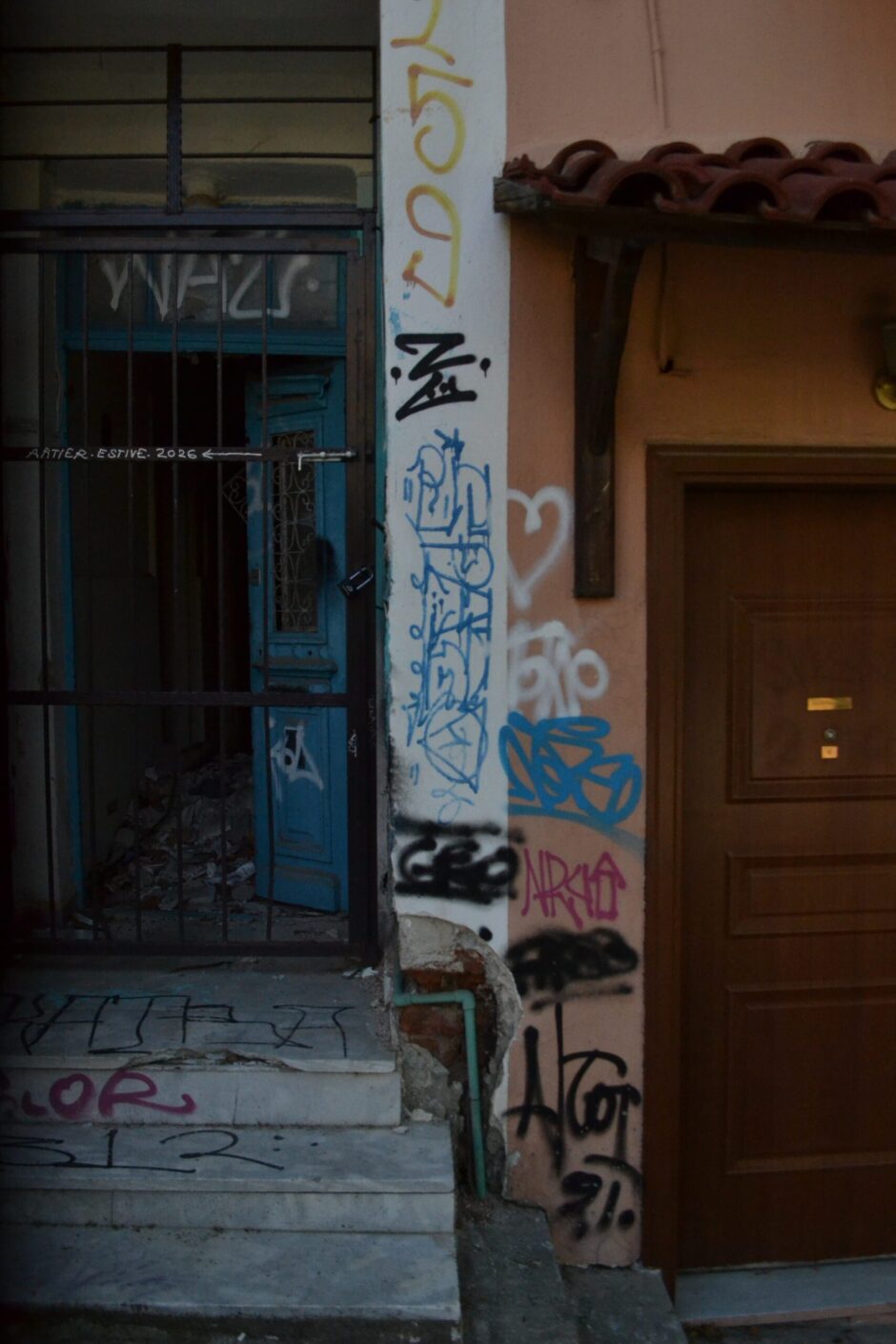
When I arrived in Thessaloniki I was stunned: bars open all night, people living the city, making noise and partying, no “stewards” telling you which side of the road you can stand in line to get a drink. Yet there are the graffiti, stating clearly “tourists go home” (for the record, they last around a night or two in Florence, promptly cancelled by the municipality). Thessaloniki reminded me of my own city when I first started going out at 15 (around 12 years ago), a bliss I never got to truly experience.
After the initial enthusiasm I found out that one, I had indeed been fortunate (even if my room resembled a closet), and two, local people were feeling the same as I did in Florence. Half of the Greek people I spoke to dreamt of leaving the town, looking for higher salaries and cheaper living costs, an ideal shared by many locals in my hometown and almost every other place I had been to. My first impression when I heard Greeks complain about tourists, was “are there any tourists here?” shortly followed by the thought: “they do not even know how bad it can get”. Coming from Florence these are valid questions, as I am used to mass tourism and physical impossibility to walk in the city center, but I realized soon that I was somehow speaking from a place of privilege. Having the opportunity to live in a cheap place for my earnings, which would have not been enough in my hometown but were (barely) sufficient in Greece.
Gentrification is a term to describe the process through which a neighbourhood, often inhabited by low income or working class individuals, becomes a site for real estate investment and re-development. The consequences include increase of living costs, housing and generally the displacement of the original residents to other areas. Oftentimes such re-investment processes are driven by some sort of “underground” culture or community, and an “alternative” appeal of the area, built by the original residents. One can see it happening through the appearance of aesthetically curated overpriced coffee shops, fancy co-working spaces and the opening of kind-of-famous and often greenwashed franchising chains.
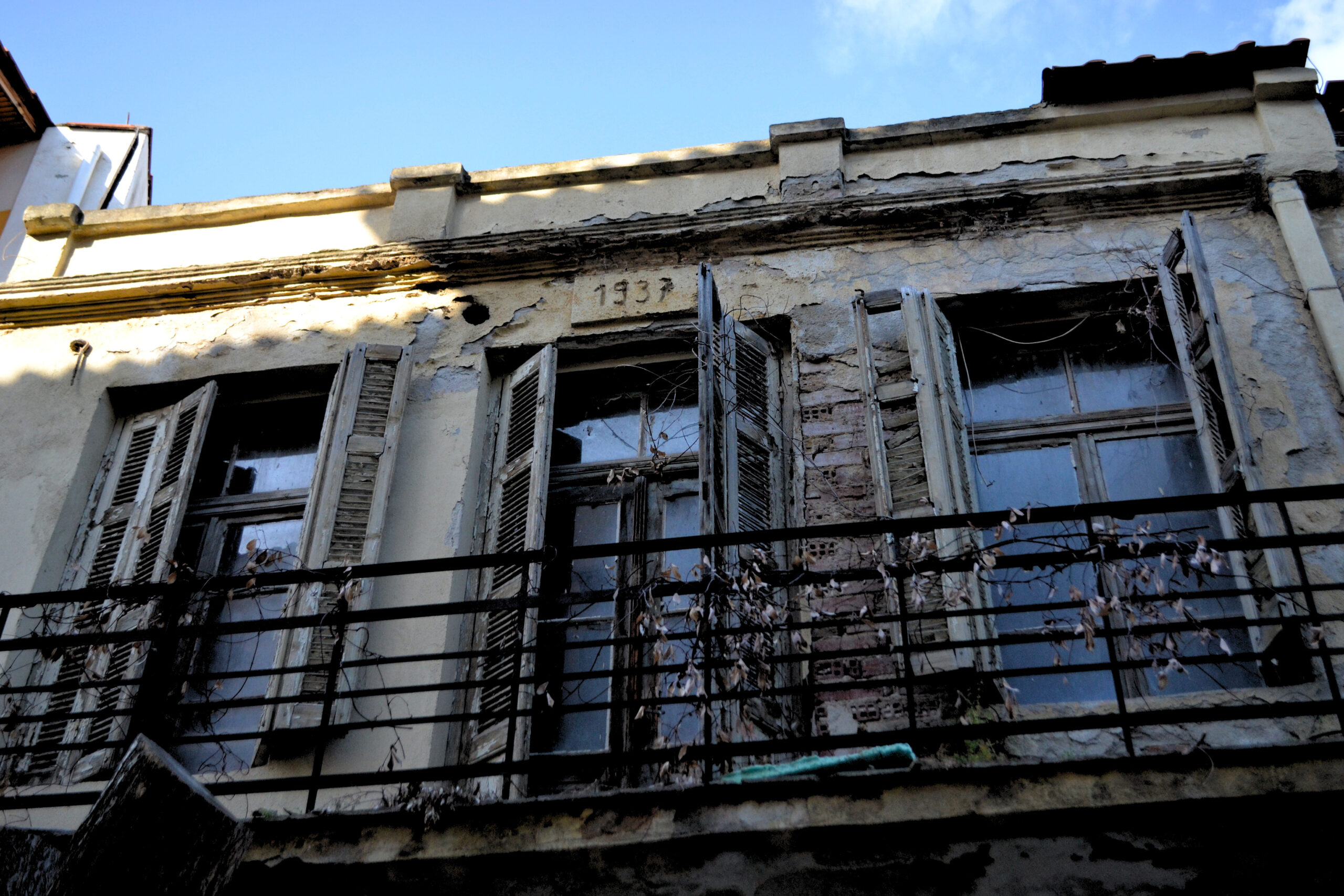
I could indeed see how that was happening in Thessaloniki. I had seen the signs before, slowly but inevitably driven by overpriced draft beers and the number of Air BnBs in Ano Poli. My first flatmate in Greece told me how the Phaliro area was once full of small shops at the street level, which closed from the crisis on, leaving many commercial properties abandoned. Ano Poli, the neighbourhood where I am now living, holds together newly renovated properties, often for short-term rent, next to abandoned houses, some close to falling apart.
But this is just the visible surface level. Hoover (2023), a sociologist, spoke of gentrification as a form of injustice rooted in lived experience, not to be compared with some idealistic concept of “justice”. There are fundamental imbalances of power in urban decision-making, determining who gets to live where, which communities are valued and whose lives are prioritized. Conceiving housing as an investment opportunity instead of a right and basic necessity, with the actors holding more power (banks, owners, developers) being allowed to influence urban politics and disrupting democratic governance.
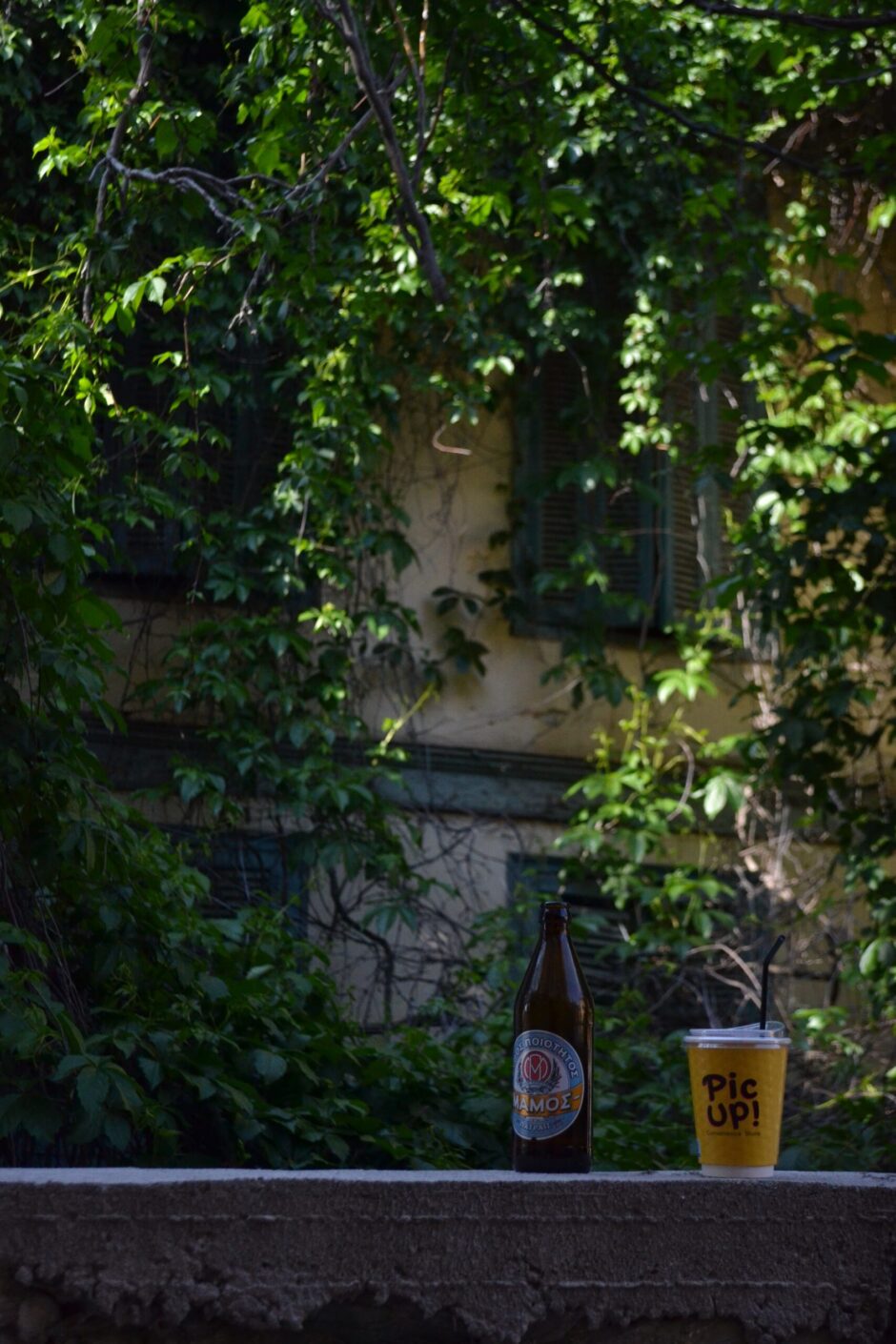
These processes not simply entail the rise of housing costs, it comes at the price of free, livable public space, which is real, chaotic, loud and not always visually pleasing or instagram ready for the tourists and the higher class individuals. City life is messy, sometimes ugly, and this is exactly what ends up being sold as an “authentic” experience, yet that authenticity gets lost through the fact of becoming a product to sell. Florence, but in Greece Athens and (maybe) Thessaloniki in the future, risk becoming a parody of themselves, in a slippery slope that places like Berlin, London and Ibiza have gone through years ago already, the underground resold as a brand identity, leaving no space for the people that created that appeal in the first place.
The hope lies in the local population to find ways to fight back this process, challenging the dominant forms of urban development and addressing the imbalances of power, resisting inequality while increasing democratic control over their daily lives.
Hoover, D. J. (2023). The injustice of gentrification. Political theory, 51(6), 925-954. retrieved from https://journals.sagepub.com/doi/full/10.1177/00905917231178295

