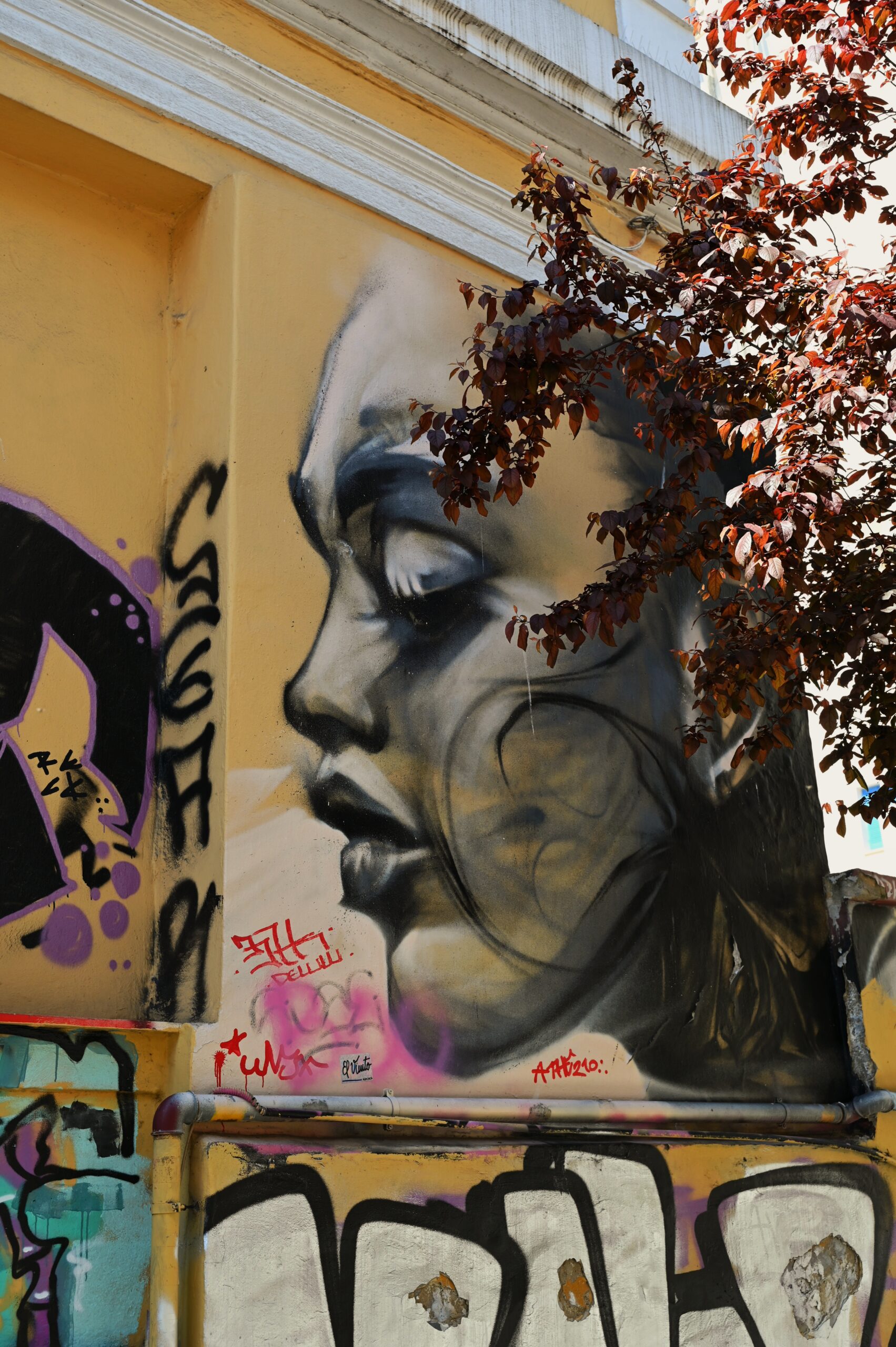
A City of a Thousand Faces, Walls That Speak
Thessaloniki has never needed anyone to invent an identity for it. Roman, Byzantine, Ottoman, Sephardic, then modern Greek, each civilization has left its traces on this northern Greek city like geological strata visible to the naked eye. And today, on these same walls worn by centuries, a new kind of writing is making itself heard: street art.
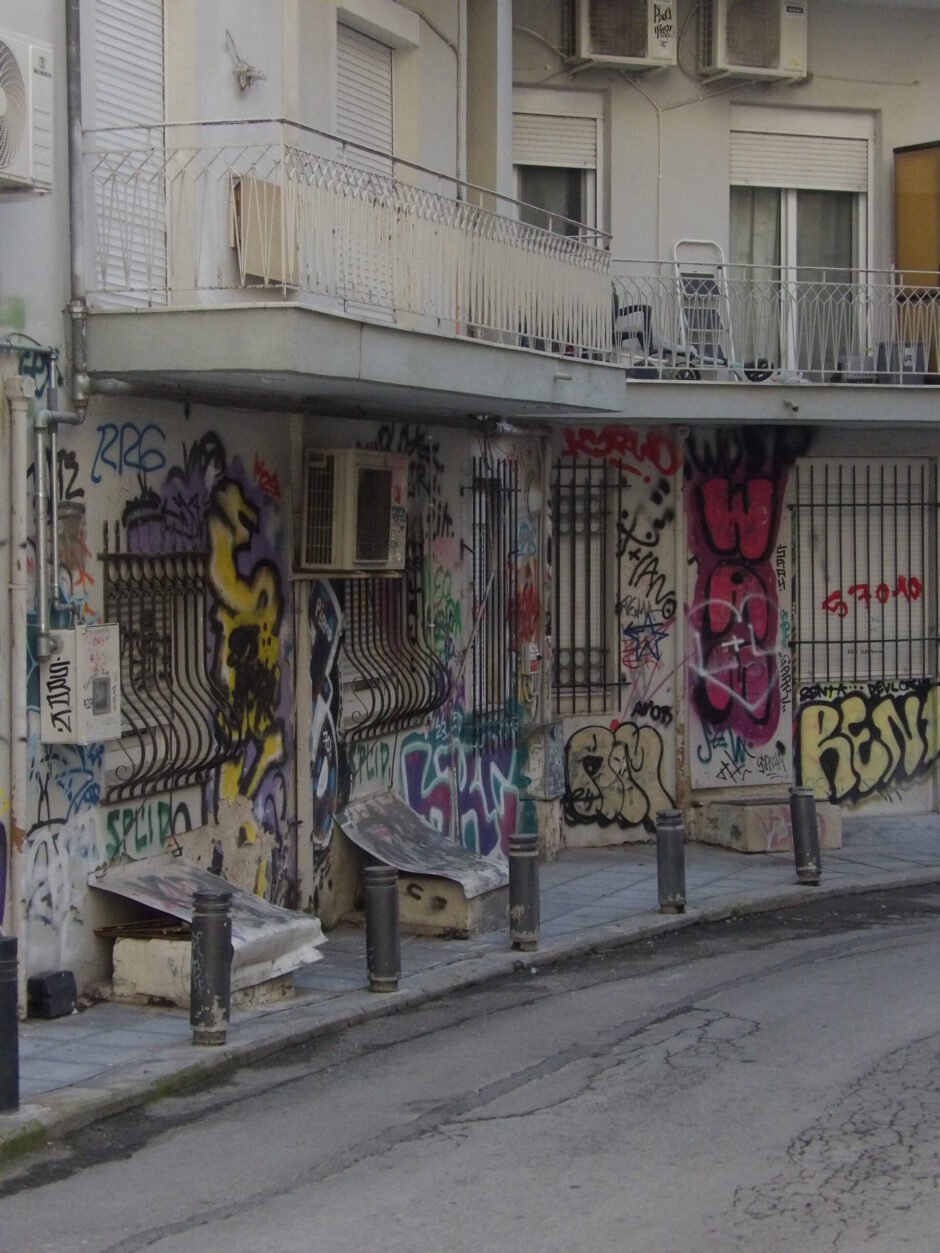
Illegible tags, monumental murals, political graffiti, carefully crafted works signed by international artists, Thessaloniki has become one of the richest cities in Greece for urban art. But this abundance raises a question that goes beyond aesthetics: can we consider this street art a form of intangible cultural heritage? And if so, how do we preserve something that is, by nature, made to disappear?
Works That Leave a Mark
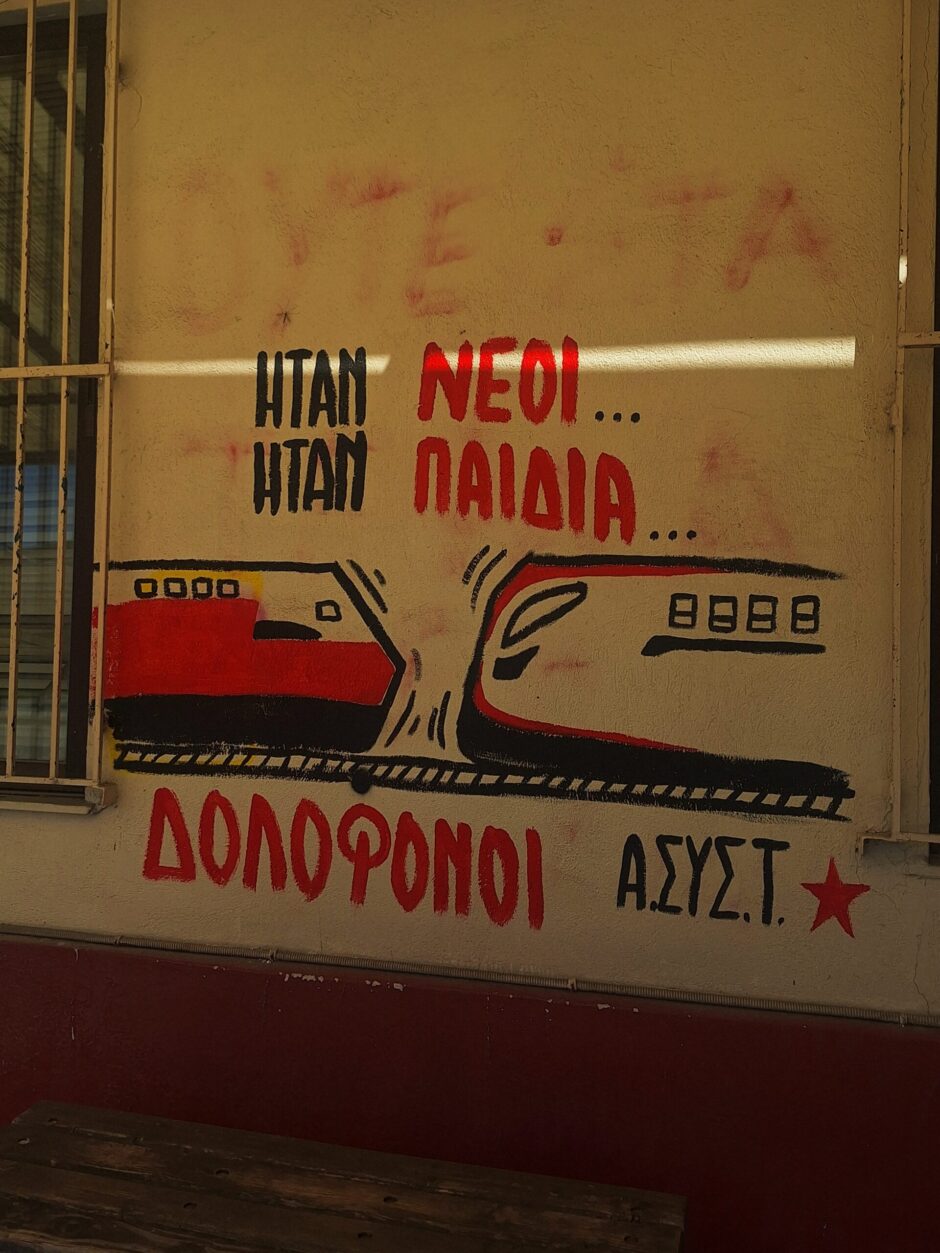
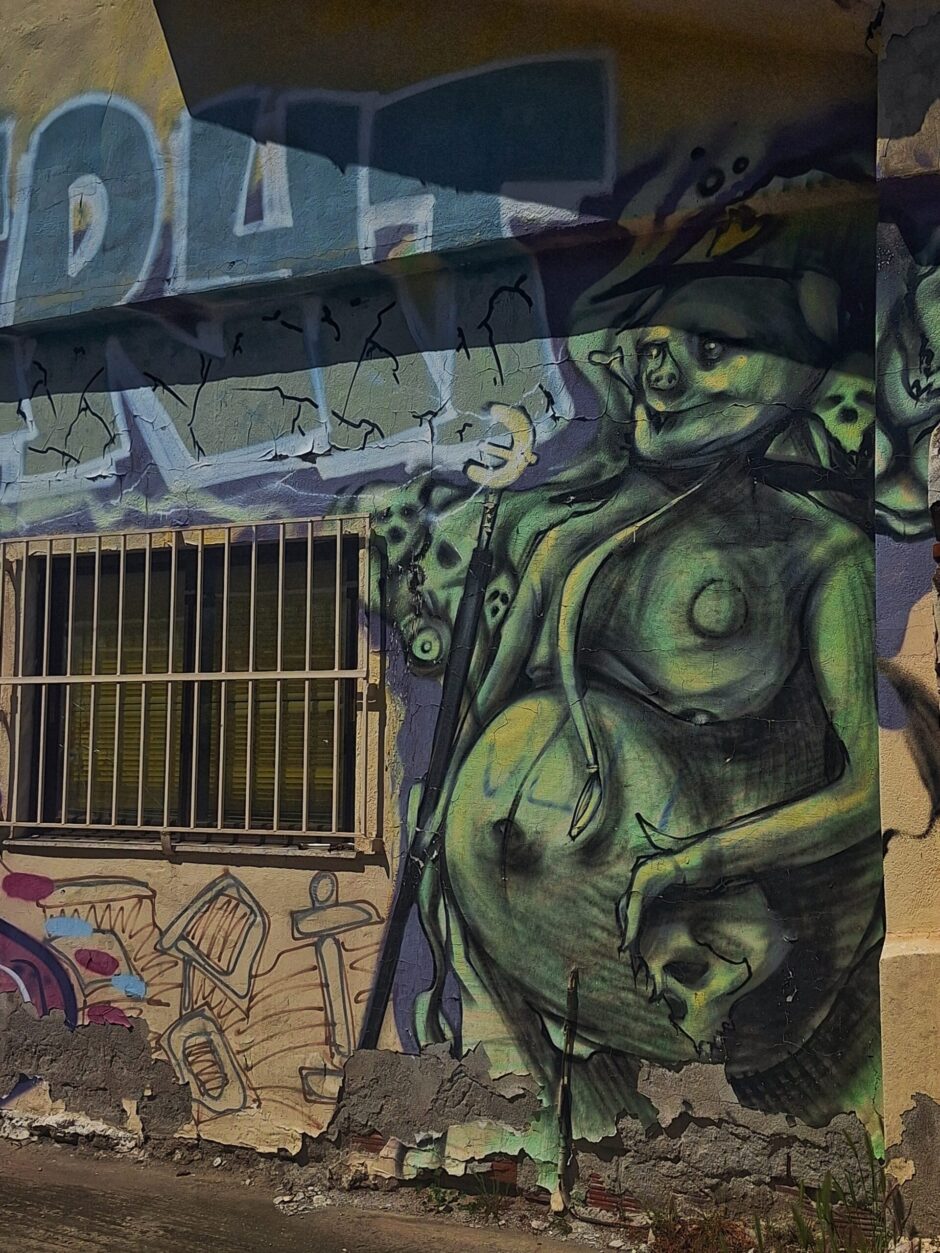
Thessaloniki’s street art scene developed in fertile ground: a young, student-driven, politically engaged city, shaped by an economic crisis that fundamentally transformed its relationship with public space. The densest concentrations of works are often found in marginal spaces — along railway fences, in the port areas to the north of the city — spaces long neglected by public authorities, which have paradoxically become the most vibrant galleries in the city.
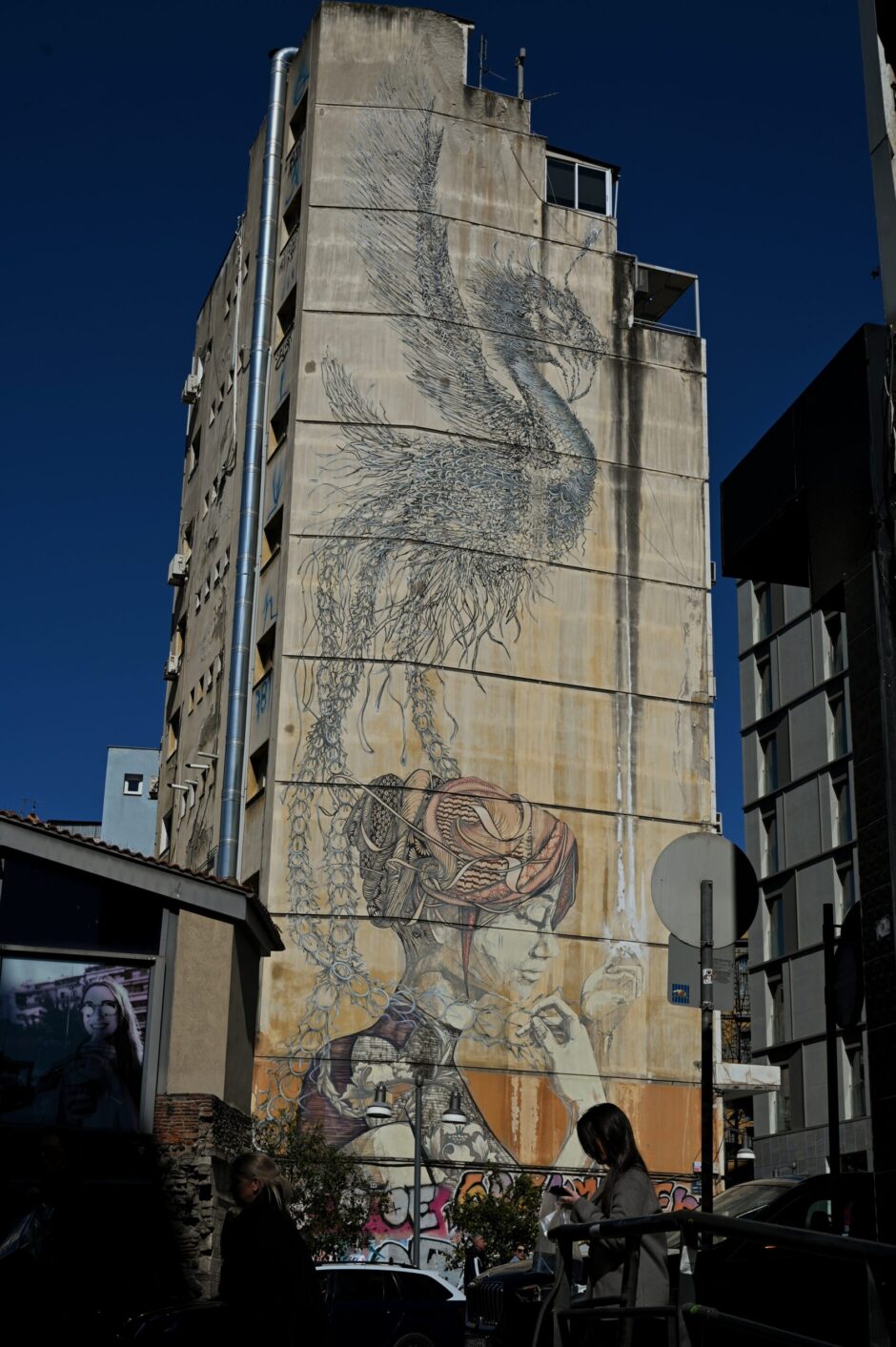
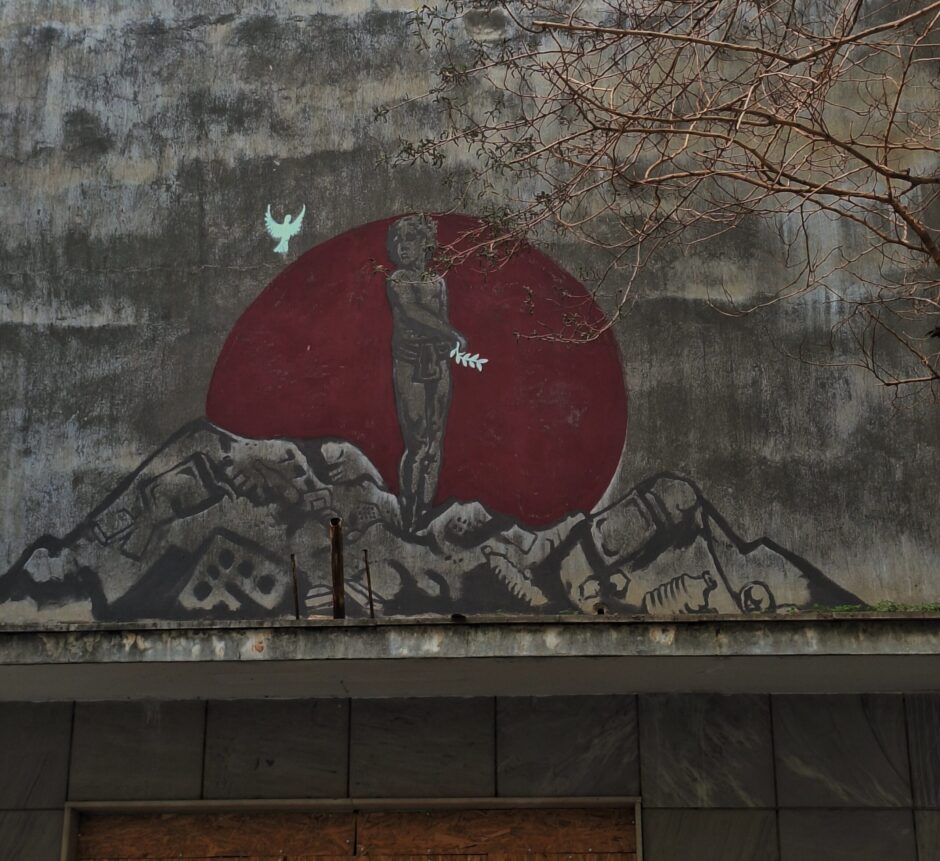
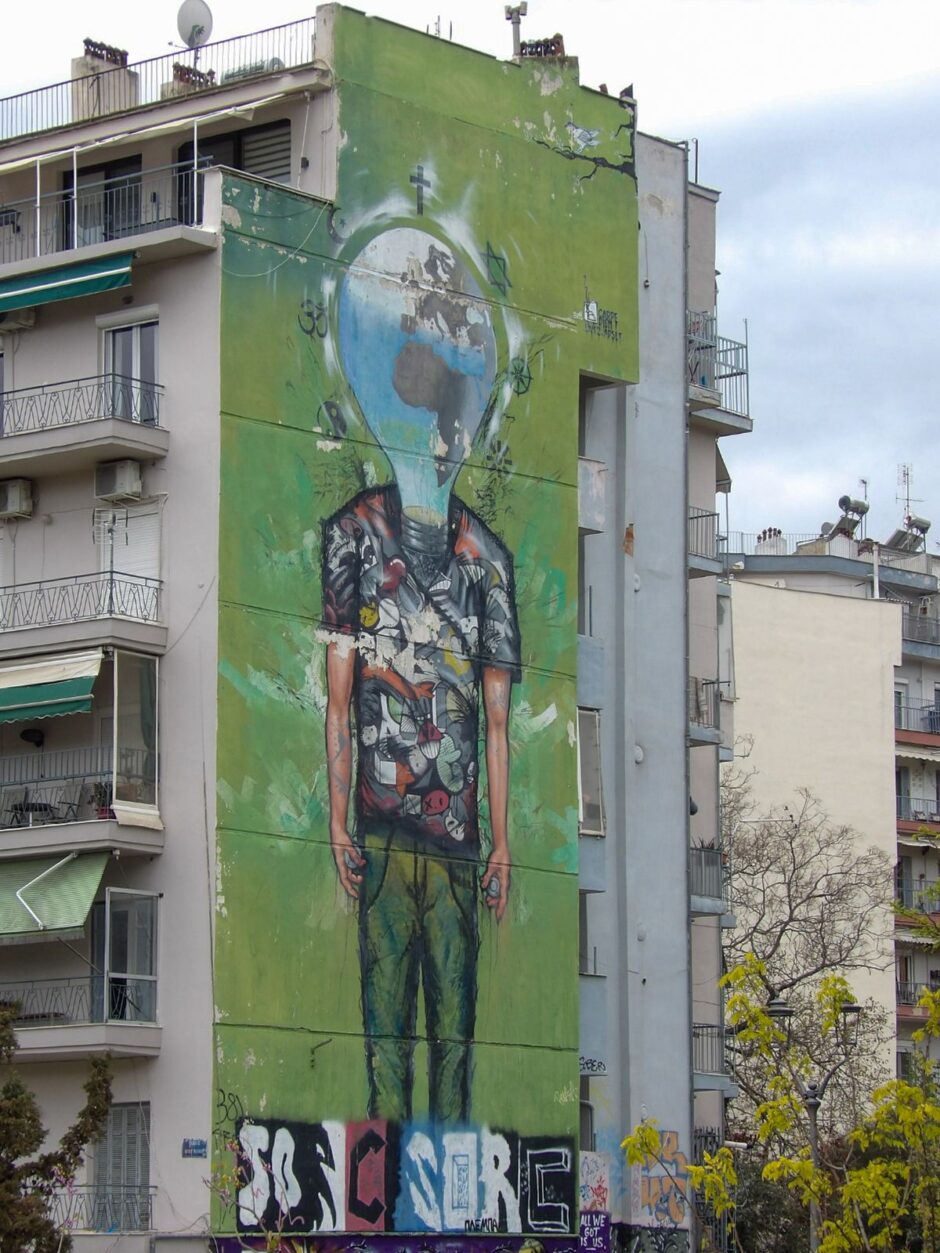
Among the murals that have lastingly marked the city, two deserve particular attention. On Tsimiski Street, a work created during the 15th Biennale of Young Artists in 2011, a collaboration between Chinese artist DAL and South African Faith47, carries a message against violence towards women. Its presence on such a busy thoroughfare gives it a visibility and political weight that no museum could have provided. That same year, Italian artist BLU created a mural directly inspired by the Greek economic crisis. Both works illustrate how Thessaloniki has positioned itself as a space for global artistic dialogue, capable of attracting international artists while remaining rooted in its local reality.
The Heritage Question: Preserve What, Exactly?
The 2003 UNESCO Convention defines intangible cultural heritage as practices and expressions that communities recognize as part of their heritage. Thessaloniki’s street art ticks several of those boxes: knowledge and skills passed between artists, recognizable cultural spaces, and a strong sense of identity among younger generations.
But tensions remain. Intangible heritage implies a collective will toward transmission and continuity. Street art, however, operates on the opposite logic: a mural can be painted over overnight, erased by a new tag, destroyed by renovation. This impermanence is not a flaw of the movement. It is its very condition of existence. A graffiti piece preserved forever in an air-conditioned museum is no longer quite a graffiti piece: it is a relic.
Thessaloniki is thus a living palimpsest, where each generation writes over the one before exactly as it has done since Roman times. Traditional models of preservation therefore seem ill-suited to this reality. Alternatives do exist, however: documentary photography, digital archives, street art mapping projects developed by local collectives. Preservation here does not mean conserving the object, but transmitting the practice, the memory, and the meaning.
The Street Mode Festival: When the Street Enters the Institution
Every year since 2009, Thessaloniki has hosted the Street Mode Festival, the largest street culture event in Greece. Graffiti, breakdance, hip-hop, skateboarding : more than 500 Greek and international artists have taken part across its editions. By bringing these practices together within an official framework, the festival performs an act of cultural legitimization: it transforms urban expressions that are often marginal into recognized, documented culture.
This process cuts both ways. It offers visibility and recognition to artists who typically work in anonymity, but it also risks domesticating what gives street art its strength: its freedom, its ability to emerge where least expected. Thessaloniki navigates this tension with a certain skill, creating spaces of legitimacy without smothering the spontaneous scene that continues to thrive in its margins.
A Living Culture, Not a Monument
Thessaloniki’s street art is indeed a form of intangible cultural heritage provided we are willing to redefine what we mean by preservation. To preserve it is not to freeze it. It is to document, transmit, and understand, it means recognizing that the value of a mural lies in the dialogue it holds with the city and its inhabitants, not in its material form alone. It means accepting that some works will disappear and that what matters is that the practice itself survives.
In Thessaloniki, a city that has weathered dozens of conquests and reinventions, this logic is nothing new. These walls have always spoken. The question is not how to silence them, but how to keep listening.
Written by Ambre, Loane and Thomas.

