
AI has been around for a while, however, only recently has it become notably more accessible beyond home users and big companies. With more people using digital services, we are creating a huge amount of data, from text, images, videos, voice, and other media. The more we rely on AI, the more energy and computational resources we’ll need to support it.
AI is often seen as a sign of a more successful and efficient future. But the machines driving this revolution depend on a resource that is older and more contested than data or electricity — water.
Creating a single AI-generated image consumes about 2.5 kWh of energy and nearly 4.5 liters of water. This is more energy than a vacuum cleaner running for around 2.5 hours! Generating a short video clip can consume 10–50 times more energy than creating a static image, and it may require hundreds of liters of water per video due to the energy used in data centers and cooling systems.
This means that the mass production of such content, both by large brands using AI for marketing and by individual users generating images and videos simply for entertainment, can lead to unprecedented levels of resource consumption. Recent social media trends show how millions of AI-generated images and videos can appear within days, and behind each of them are energy use, data processing, and water needed to cool data centers. What may seem like harmless digital content ultimately translates into a massive amount of resources being used, raising serious concerns about its long-term impact on the global environment.
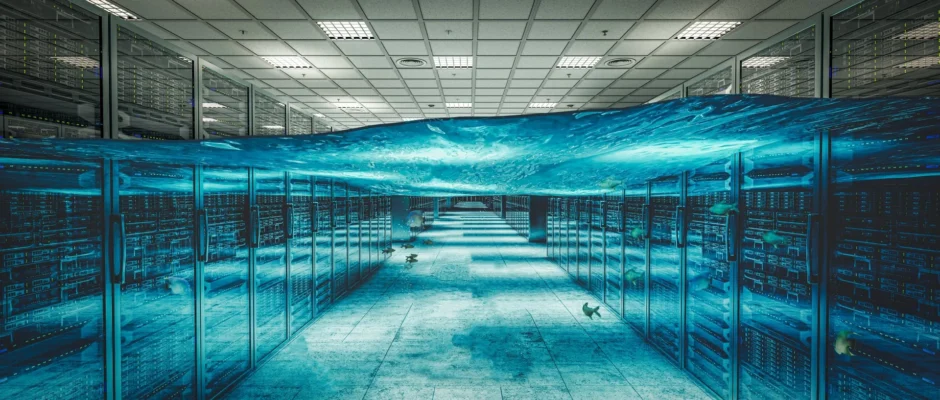
Whether training AI models or hosting them for clients, the computation must take place somewhere, typically in a data center. This is why the biggest environmental costs of AI are very localized.
Greece is rapidly expanding its data center and AI ecosystem, forming a growing cluster of facilities across the country. In the Athens area:
Sparkle Metamorfosis I & II and Lamda Hellix Athens 1 & 2 hold leading positions in scale
Hellas Sat operates a key facility in Koropi in the Peloponnese
Kiefer AIDC Megalopoli and AIDC Gnosis are turning Megalopoli into an AI computing hub
Pharos (Greek AI Factory) initiative is also a major facility located near Athens. Cosmos Business System has launched an AI Lab & Compute Hub in Thessaloniki (Thermi).

Buildings used to house computer systems and associated components, such as telecommunications and data storage systems. To build a new data center, land has to be used and adapted, often close to a water source which affect ecosystems, as well as the waste generated during construction, energy production, and cooling. The size, design, and energy efficiency of data centers can vary, as can the sources of their energy.
The largest data center in the world, the China Telecom Data Center in Hohhot, China, covers 994,062 square meters and has a 150 MW energy capacity. To put that into perspective, a solar farm with the same energy output could power between 30,000 and 150,000 homes.
Building on this comparison, in Greece the Lamda Hellix Athens-1 facility could power about 27,500 homes, Athens-3 around 17,000 homes, and the full ATH1-4 campus roughly 77,800 homes. This is comparable to a large Greek city such as Patras. In other words, the electricity required to operate these data centers could power a city of that scale, highlighting the massive level of energy consumption involved.
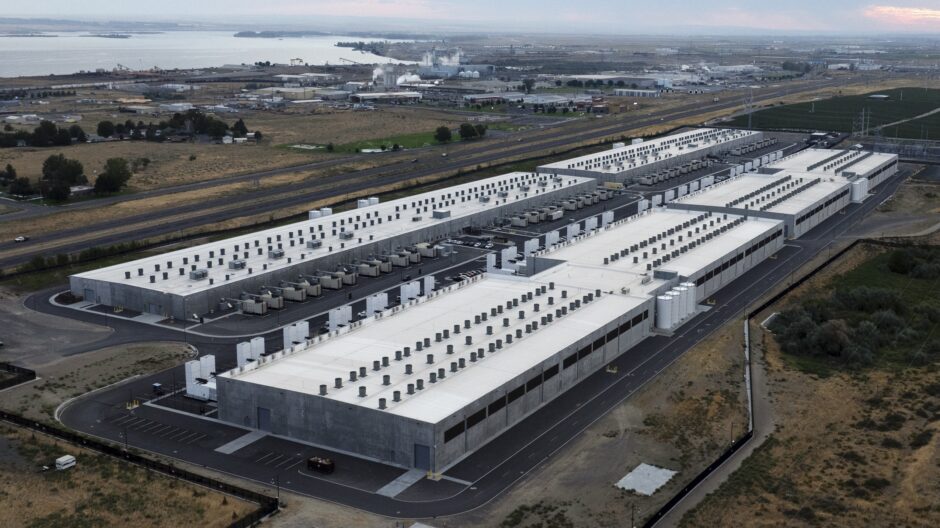
Data centers use a lot of electricity and produce a lot of heat. To keep the equipment from overheating they rely on cooling systems like air conditioning and liquid cooling. If a data center is located in a hotter region and relies on air conditioning for cooling, it will use much electricity to keep the servers at a low temperature. This leads to higher carbon emission of such a data center, if it is not using renewable energy sources. If a data center is relying on liquid cooling and is located in drought-prone areas or close to only source of freshwater, they risk depleting the area of a crucial natural resource.
Concerns about wastewater and its impact on local water resources have been one of the main reasons for public outrage in Chile and Uruguay. Protests against the construction of large data centers, particularly in the Santiago area, have become a major movement of local communities and environmental activists. Residents actively used public outreach methods, including “door-to-door” campaigns and discussions with neighbors, collecting signatures against the projects. At the same time, a legal battle was underway, activists filed complaints with the Environmental Tribunal of Santiago, demanding a review of the environmental permits. In addition, rallies and demonstrations were held under slogans protecting water and opposing the exploitative use of natural resources, with residents protesting at planned construction sites and government offices. Thanks to activist pressure, in February 2024 the Chilean environmental court partially revoked the permit for Google’s data center, requiring the company to revise the project with climate change considerations in mind. As a result, Google announced it would restart the project and switch from a water-based cooling system to an air-based one.
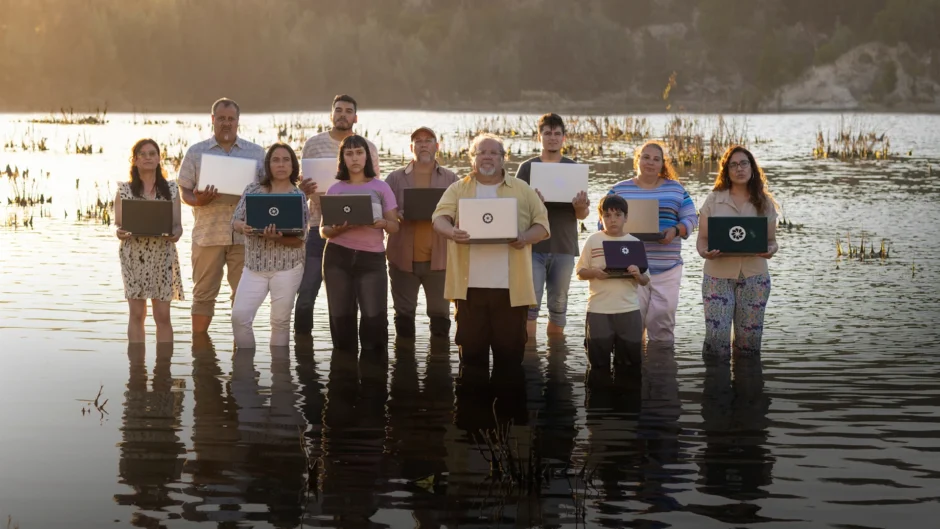
Similarly, in Greece, the rapid growth of data centers, especially AI-focused ones like Pharos and the Cosmos Business Systems hub in Thessaloniki, is raising environmental concerns. Some facilities, like Lamda Hellix Athens 2 and Kiefer AIDC, are energy-efficient and use renewable power, but AI workloads require a lot of energy and water. Cooling systems, particularly liquid-based ones, can put pressure on local water resources during dry summers. If the expansion of AI infrastructure outpaces renewable energy and modern cooling solutions, Greece could face problems similar to those seen globally and in Chile. Sustainable management will be key to balancing AI growth with environmental protection.
While AI provides powerful tools for addressing climate and social challenges, its growing environmental footprint cannot be ignored. Awareness of this issue is the first and very important step toward finding a solution. Various approaches and strategies are currently being studied and implemented to ensure more energy-efficient and sustainable use of AI applications, including energy-efficient practices, powering data centers with renewable energy, stricter regulations, and greater transparency from companies regarding their emissions and resource consumption. It is clear that only a combination of awareness, technology, and regulation will allow us to balance the benefits of AI with its environmental costs and unlock its potential for positive impact.

