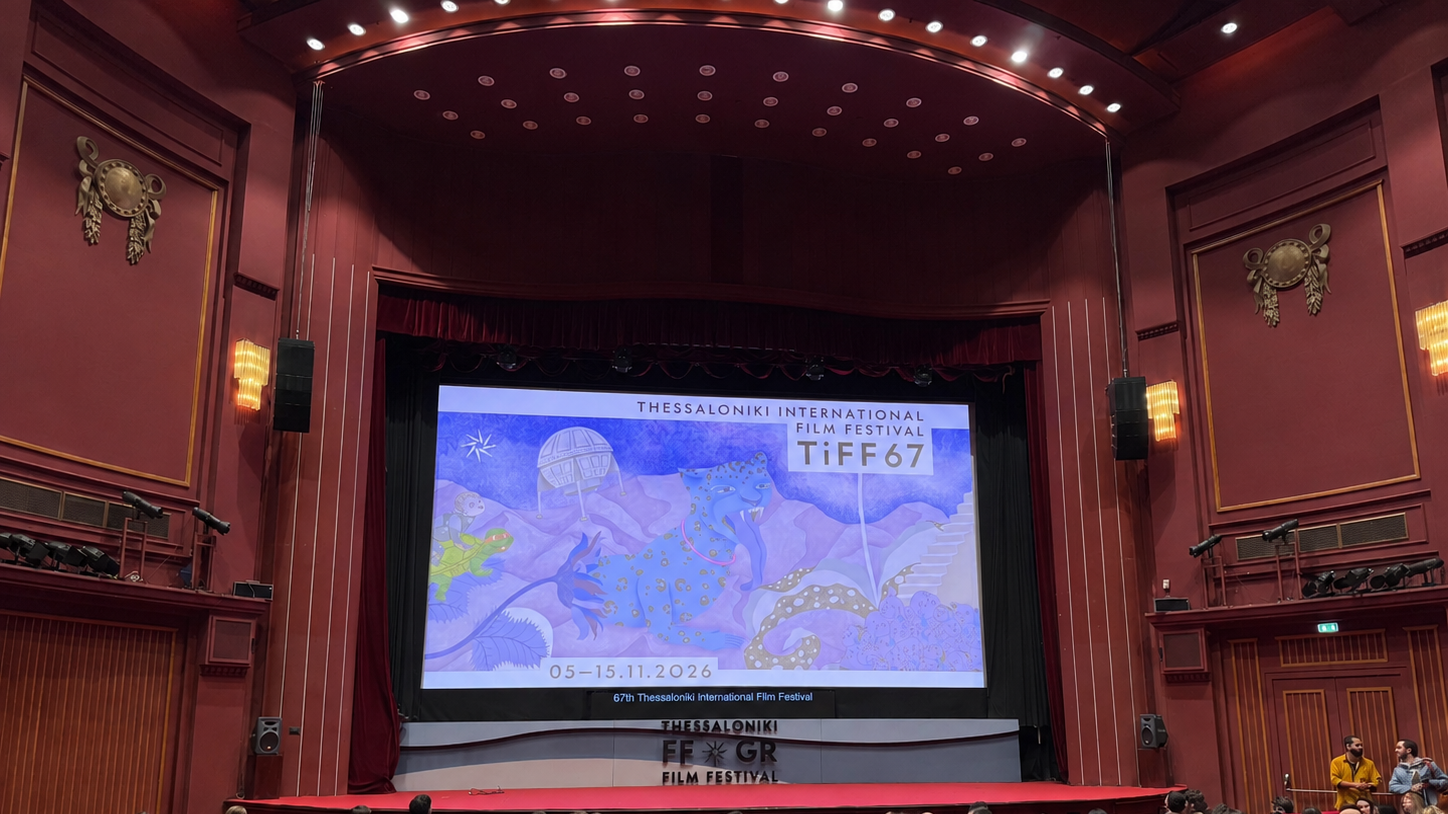
As every November, Thessaloniki slipped into its festival attire. The warehouses along the Port’s waterfront opened their doors, spilling over with cinematic magic, while the Olympion and Makedonikon cinemas shone a little brighter than usual. The city’s streets and shopfronts were adorned with colourful posters celebrating the 67th Thessaloniki International Film Festival. Cinephiles from all over the world flocked to the city, ready to immerse themselves in eleven days devoted entirely to cinema: 258 film screenings, workshops and talks with leading industry professionals, tributes to acclaimed directors and filmmakers, parties and a host of special events.
Honours, Awards and Encounters with Great Figures of Cinema
Undoubtedly, one of the highlights of this year’s festival was the presentation of the Golden Alexander Award to director Nikos Grammatikos in recognition of his overall contribution to cinema. Particularly memorable was the screening of his landmark film Absent (Apontes), which unfolded in an atmosphere of profound emotion as the director and members of the original cast reunited at a packed Olympion, thirty years after the film’s premiere.
The distinguished conductor and composer Stavros Xarchakos was also honoured with the Golden Alexander Award for his longstanding contribution to the arts and culture, with particular emphasis on his work in cinema. Although he was unable to attend the ceremony held in his honour, the audience that filled the Olympion auditorium made sure to send him their warmest applause.
Among the festival’s international guests, the visit of Laura Mulvey was undoubtedly one of the most noteworthy. One of the most influential figures in film theory, the acclaimed academic, filmmaker and author of the seminal essay Visual Pleasure and Narrative Cinema offered audiences a rare opportunity to engage with her groundbreaking work. First published in 1975, the essay marked a turning point in film theory, exposing the voyeuristic and male-centred perspective underpinning classical Hollywood cinema.
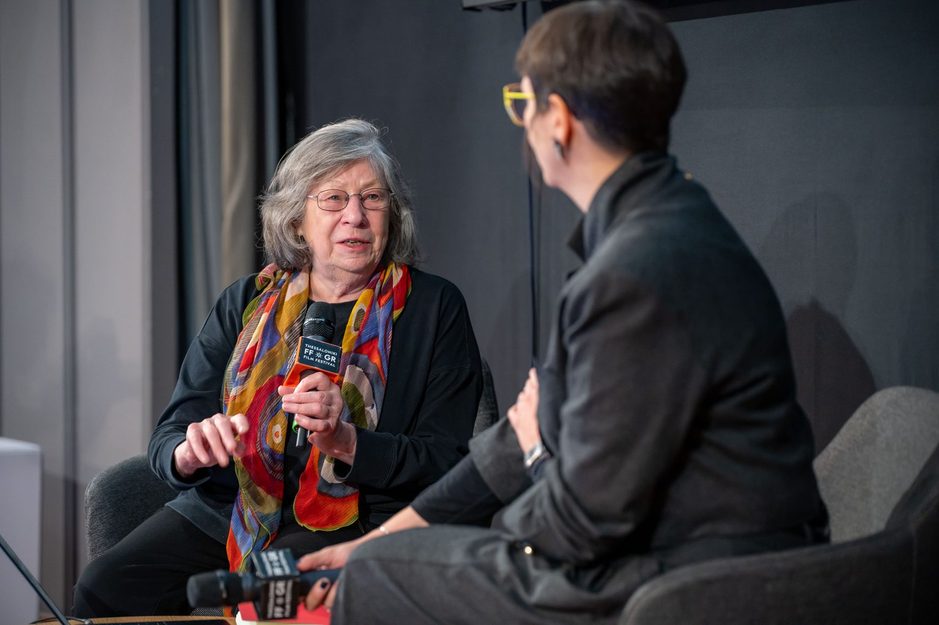
Mulvey met with the Thessaloniki Film Festival audience at the Pavlos Zannas auditorium for a particularly compelling masterclass. The pioneering feminist theorist and filmmaker embarked on an extensive retrospective of her work, tracing its evolution from the publication of her landmark essay in 1975 all the way to the present day, before turning her attention to the representation of women in contemporary cinema.
The Films I Took Home from the 67th Thessaloniki Film Festival
With 258 screenings showcasing films from across the globe, from the neighbouring Balkans to the far reaches of Latin America, the 67th edition of the Thessaloniki International Film Festival brought together fresh cinematic perspectives, emerging talents and established masters of cinema, all presenting their latest works to local audiences. Once again, tickets vanished in the blink of an eye, particularly for the most eagerly anticipated screenings, with one sold-out session following another.
Amid the delightful chaos of the festival schedule, I set out to watch the following six films. Some had been on my must-watch list for months, while others caught my eye as I leafed through the A–Z catalogue. A few exceeded every expectation I had dared to place upon them; others, I suspect, will soon fade from memory.
And so, with the festival’s eleven-day cinematic marathon behind us, it is time to revisit the six films that made up my own little journey through this year’s programme.
La Bola Negra
Dir: Javier Calvo & Javier Ambrosi, Starring:Guitarricadelafuente, Miguel Bernardeau, Carlos Gonzalez, Milo Quifes
2h 40m, 2026, Spain
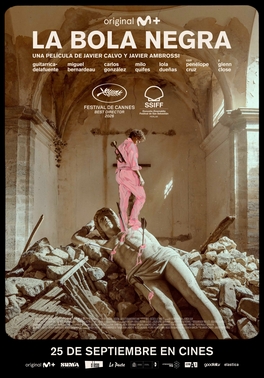
Inspired by the unfinished work The Black Ball (La bola negra) by the legendary Spanish poet and playwright Federico García Lorca, the film of the same name, screened on the second day of the 67th Thessaloniki International Film Festival, left the fortunate few who managed to secure a ticket and attend its screening at the packed Olympion auditorium utterly spellbound.
The film unfolds across three interwoven storylines, moving between different periods and lives. In Granada, 1932, young Carlos applies for membership in the elite circle of the local casino, only to have his application rejected through a voting system involving white and black balls, on account of rumours surrounding his homosexuality.
Torn between societal expectations and his own desires, Carlos chooses to conceal his true identity, only to discover, in the most tragic of ways, the devastating futility of wasting one’s life trapped in a world of lies and repression.
The film’s second storyline takes us to 1937, amid the Spanish Civil War. After witnessing the destruction of his village by Italian fascist forces and the murder of his mother, young Sebastián is forced to join the Spanish Nationalist troops in order to survive. Armed with a rifle, he blindly follows a cause he scarcely understands, let alone believes in. Yet, amid the turmoil of war, he begins to find a sense of purpose when he meets Rafael, a Republican prisoner of war whom he is assigned to guard.
Initially taken aback by Rafael’s flamboyant, fearless nature and his unwavering determination to die for his cause, Sebastián soon comes to realise that what he feels for him could not be further removed from the merciless hatred that defines the civil war. It is, instead, love. As the bond between these two seemingly sworn enemies grows stronger, Rafael reveals to Sebastián that he and Federico García Lorca were once lovers. He entrusts him with the task of preserving Lorca’s final, unfinished work, The Black Ball (La bola negra), which the poet never had the chance to complete before his murder. Sebastián honours his promise, but not without having to bid Rafael a final, heartbreaking farewell.
The story eventually brings us to 2017, when The Black Ball finds its way into the hands of Alberto, a historian and playwright, and Sebastián’s grandson, who takes it upon himself to finally bring Lorca’s long-lost work to light.
La Bola Negra stands as a profound tribute not only to Federico García Lorca, but also to all those loves between people of the same sex that were never given the chance to blossom, that were forced to remain hidden, or that were brutally erased from the pages of Spanish history. It is a deeply moving ode to every gay person who was compelled to live in the shadows, deny their true identity, assume the mantle of heteronormativity against their will, and carry its weight throughout their lives.
The film’s masterful direction, breathtaking cinematography, outstanding performances from the entire cast and carefully crafted narrative, in which the three distinct storylines intertwine with remarkable fluidity and coherence, make it one of the finest cinematic works of the year.
Ghost Song
Dir: Fatih Akin, Starring: Mariam Dawood, Eren M. Güvercin, Carlotta von Falkenhayn
1h 45m, 2026, Germany
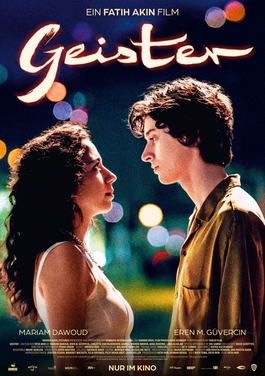
Twenty-year-olds Farasa and Faris, both children of immigrant families, meet at a graduation party in Hamburg, the city they call home. They fall in love at first sight and leave the party together, but their budding romance is cut tragically short: a car accident claims Farasa’s life. Despite having known her for just a single evening, Faris soon realises that she was the love of his life. Unable to come to terms with her sudden death, he is consumed by grief and haunted by guilt.
In the realm of the dead, Farasa encounters her father, who tells her that, according to Islamic tradition, the deceased can visit the living in their dreams for forty days following their death. And so, Farasa and Faris embark on an extraordinary love story that unfolds between two worlds: that of the living and that of the dead.
For a while, everything seems almost idyllic in Faris’s dreams. But eventually, he must face an impossible choice: will he follow Farasa into the afterlife, so that they can spend the rest of eternity together, or will he remain in the world of the living?
A bittersweet film that uses the innocence and intensity of first love as a lens through which to explore death, loss, the afterlife and the questions of identity facing younger generations of immigrants in Germany. Fatih Akin’s directorial approach is once again intriguing, marking a noticeable departure from his previous work. The film unfolds entirely in black and white, with the exception of the title cards separating its chapters, which bear a distinct influence from Japanese manga and anime, and the final scene, in which Faris and Farasa have finally broken free from their metaphysical bond and go their separate ways.
As for the plot and the way it unfolds, the film occasionally veers into melodrama and excess. But perhaps that is simply what young love is like.
Dua
Dir: Blerta Basholli, Starring:Pinea Matoshi, Vlera Bilalli, Kaona Matoshi
1h 40m, 2026, Kosovo
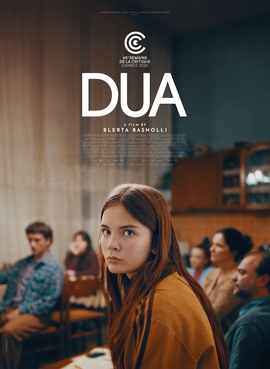
Pristina, late 1990s: Thirteen-year-old Dua is navigating the turbulent transition into early adolescence, with all the emotional ups and downs that come with it, against the backdrop of the unrest engulfing Kosovo. She tries to lead as normal a life as possible: going to parties with her friends, sharing her first kisses, discovering judo and becoming instantly captivated by the sport. At the same time, she experiences insecurity, injustice and anger as a result of the social inequalities and ethnic persecution endured by Kosovo’s Albanian population.
After drawing the attention of the international film community with Hive in 2021, Basholli returns with another film dedicated to her homeland, Kosovo. This time, however, the story is inspired by her own experiences as a teenager during the war.
A tender, realistic coming-of-age film that captures, without resorting to exaggeration, the oppression and hardships endured by Kosovo’s Albanian community, the complexities of the teenage psyche and the need to preserve some semblance of normality amid turmoil. Basholli’s understated direction, the film’s steady pace and the wonderful, spirited Dua combine to create one of the most noteworthy Balkan entries in this year’s festival programme.
Filipiñana
Dir: Rafael Manuel, Starring: Jorrybell Agoto, Carmen Castellanos, Teroy Guzman
1h 41m, 2026, Philippines
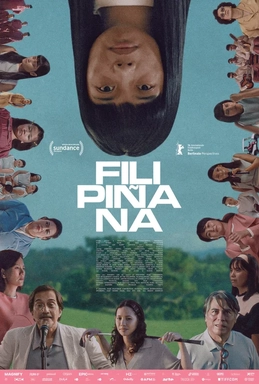
Seventeen-year-old Isabel, a young woman of Ilocano descent, takes a job at an ultra-luxurious resort popular with golf enthusiasts. There, she soon meets the resort’s president, Dr Palanca, who is also of Ilocano descent, and discovers that he and his business ventures are responsible for the displacement of their ethnic community from its ancestral land, which he seeks to exploit for investment purposes. Meanwhile, the resort is also hosting Clara, a young New Yorker whose wealthy uncle is pressuring her to get involved in his golf-related business ventures.
A slow-burning film, featuring outstanding cinematography and an impeccable visual aesthetic, that successfully tackles the social and economic inequalities in the Philippines, the systematic erasure of indigenous minorities, the country’s contemporary, more subtle form of colonialism at the hands of wealthy tourists, the unchecked power of the elite and the utter disregard for the working class. The characters, laconic and enigmatic, move and speak in an almost mechanical, lifeless manner, yet conceal a deep, simmering emotional intensity that remains constantly beneath the surface.
A thoroughly compelling cinematic endeavour that I found myself thinking about for days after watching it.
It Will Happen Tonight
Dir: Nanni Moretti Starring: Louis Garrel, Jasmine Trinca, Angela Finocchiario
1h 43m, 2026, Italy-France
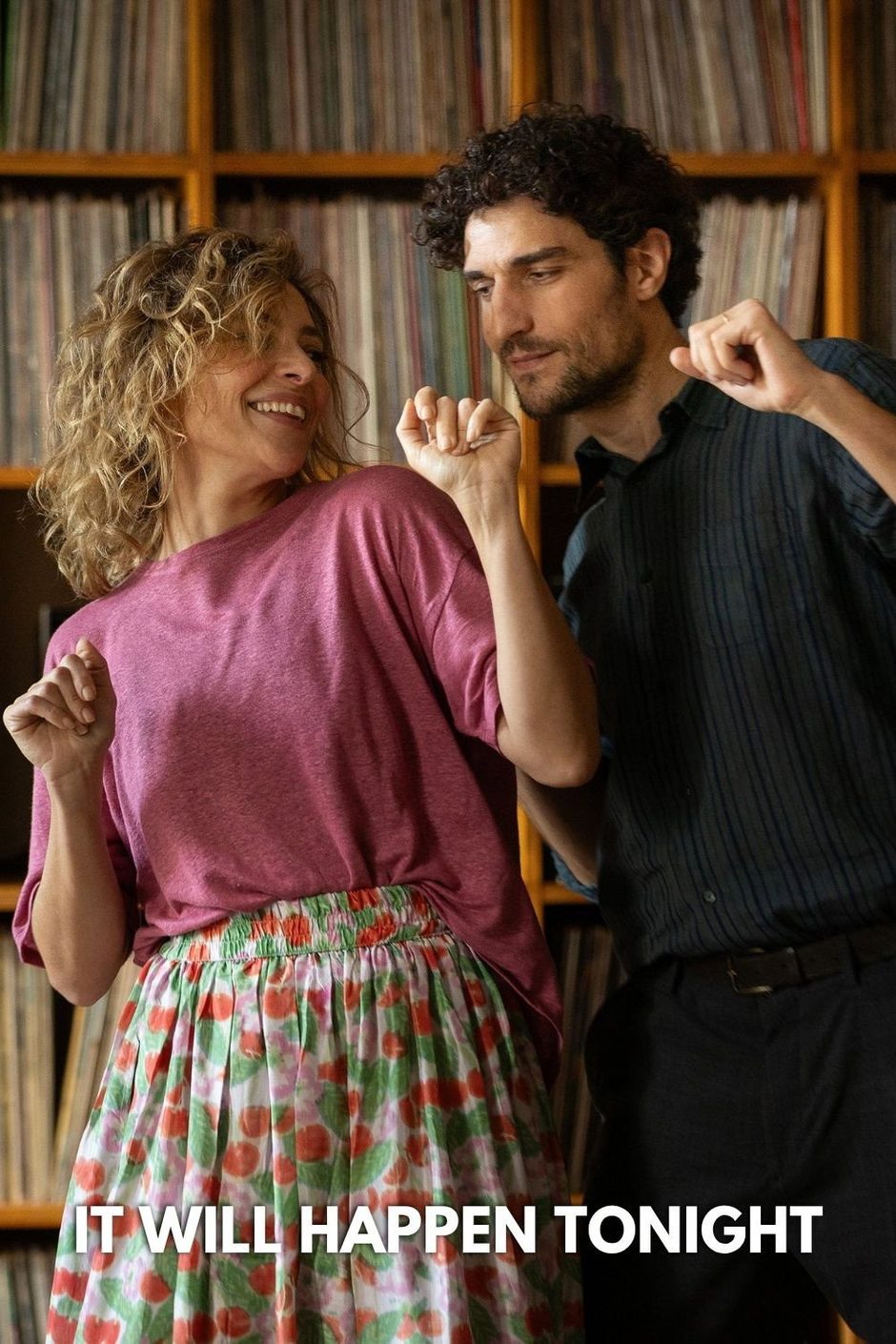
Matteo and Tea have a son together, but Tea decides not to stay with them. Matteo later meets Greta by chance, and the two play a set of tennis on her wedding day. From that moment on, he can never get her out of his mind. Seven years later, with her image still indelibly etched in his memory, Matteo happens to cross paths with Greta once again. He confesses his love for her, and a romance begins to unfold. Both have spouses, children and settled lives of their own, yet love sweeps over them like a torrent, carrying them away.
In this film, which almost never came to completion following the heart attack Moretti suffered, the director offers audiences a light-hearted, saccharine tale in which anything is possible: everything hinges on luck and coincidence, both of which always seem to work in favour of our protagonist. Despite its cheerful tone and a handful of entertaining moments, such as the protagonists’ spontaneous dance to the Rolling Stones’ “She’s a Rainbow”–a scene straight out of a musical–, the overall result is rather disappointing: lukewarm, uninspired and riddled with rather outdated humour.
In A Whisper
Dir: Leyla Bouzid, Starring: Eya Bouteraa, Hiam Abbas, Marion Barbeau
1h 54m, 2026, Tunisia-France
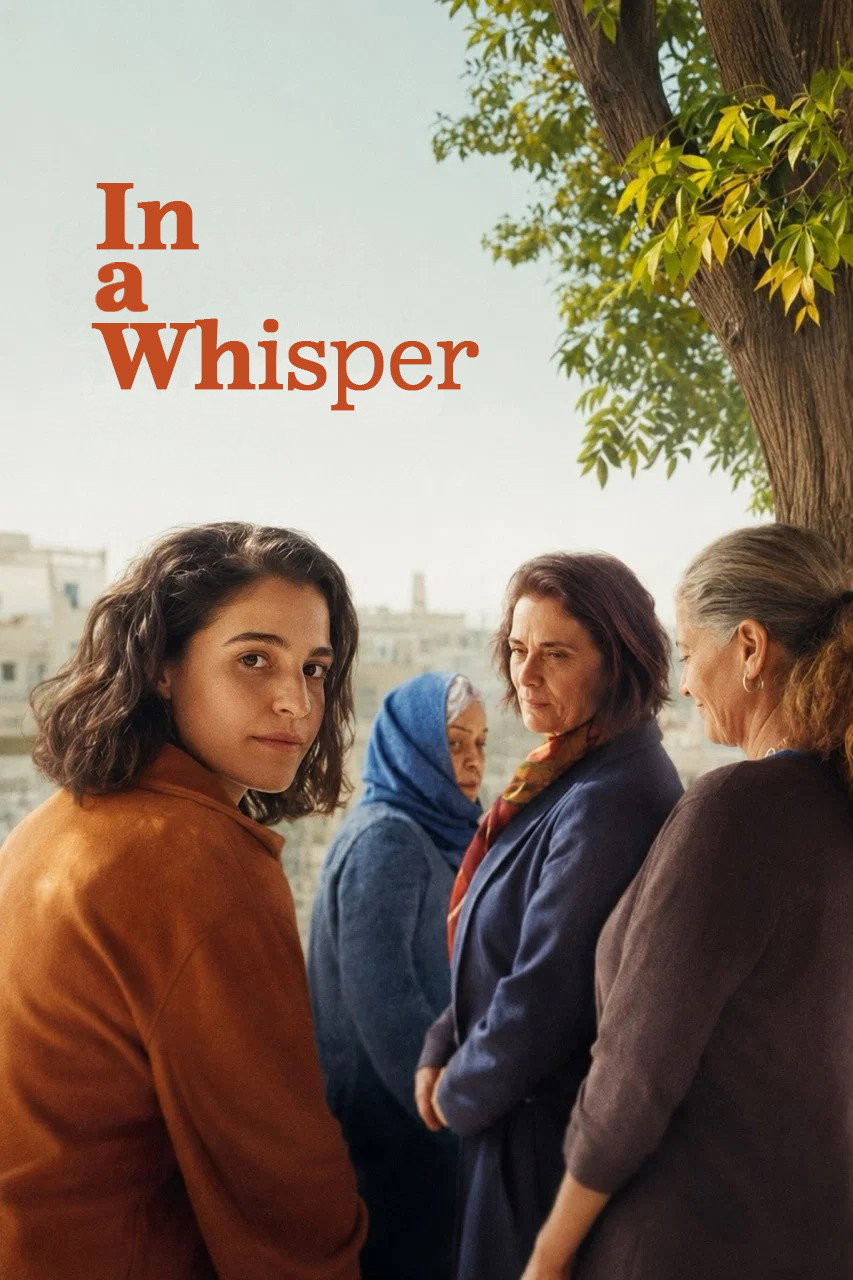
Lilia, a Tunisian-born lesbian living in Paris and in a relationship with Alice, returns to her country of origin to attend her uncle’s funeral. She soon discovers that her uncle was gay himself and that his death may have been linked to his sexual orientation. Determined to uncover the truth, Lilia sets out to piece together the fragments of his life, turning to his inner circle, the hidden world he inhabited and the queer community of Sousse for answers. Meanwhile, her relationship with Alice is put to the test as a cultural divide they had never known existed begins to emerge between them.
An engaging, female-centred film that explores LGBTQ+ identity and the oppression it faces in Tunisia with sensitivity and seriousness, steering clear of exaggeration and clichés. Bouzid’s direction is excellent, particularly in the way she weaves Lilya’s memories into the present. The performances are equally compelling and emotionally resonant, bringing to life three generations of women who are forced to confront not only the uncle’s death and homosexuality, but also their own attitudes towards it. Meanwhile, the plot unfolds with natural ease and a steady pace, striking a balance between the personal drama and the broader social dimensions of the story.

