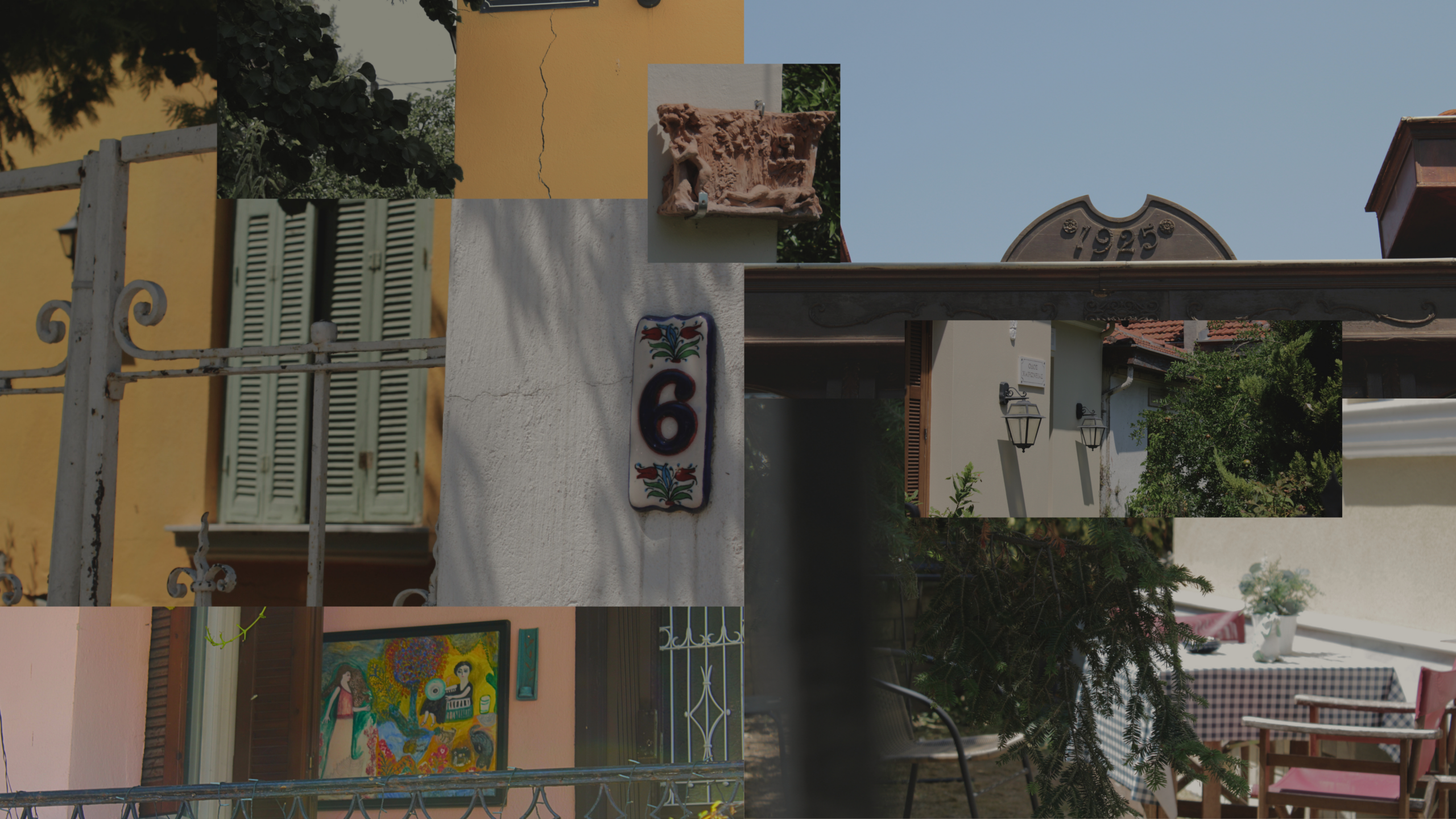
At the turn of the 20th century, Thessaloniki was a loud, beautiful kaleidoscope on the shores of the Aegean Sea. On its crowded streets, you could hear Ladino, Turkish, Greek, French, and Italian all at once. It was a city of contrasts, where rich merchants counted their gold, and cafés smelled of strong coffee and expensive tobacco. People talked about trade, politics, Paris, and Istanbul. Everything seemed stable and eternal. But in reality, the old world was already fracturing, and the great empires were about to disappear like smoke. This old-world atmosphere is the starting point to uncover Thessaloniki hidden history.
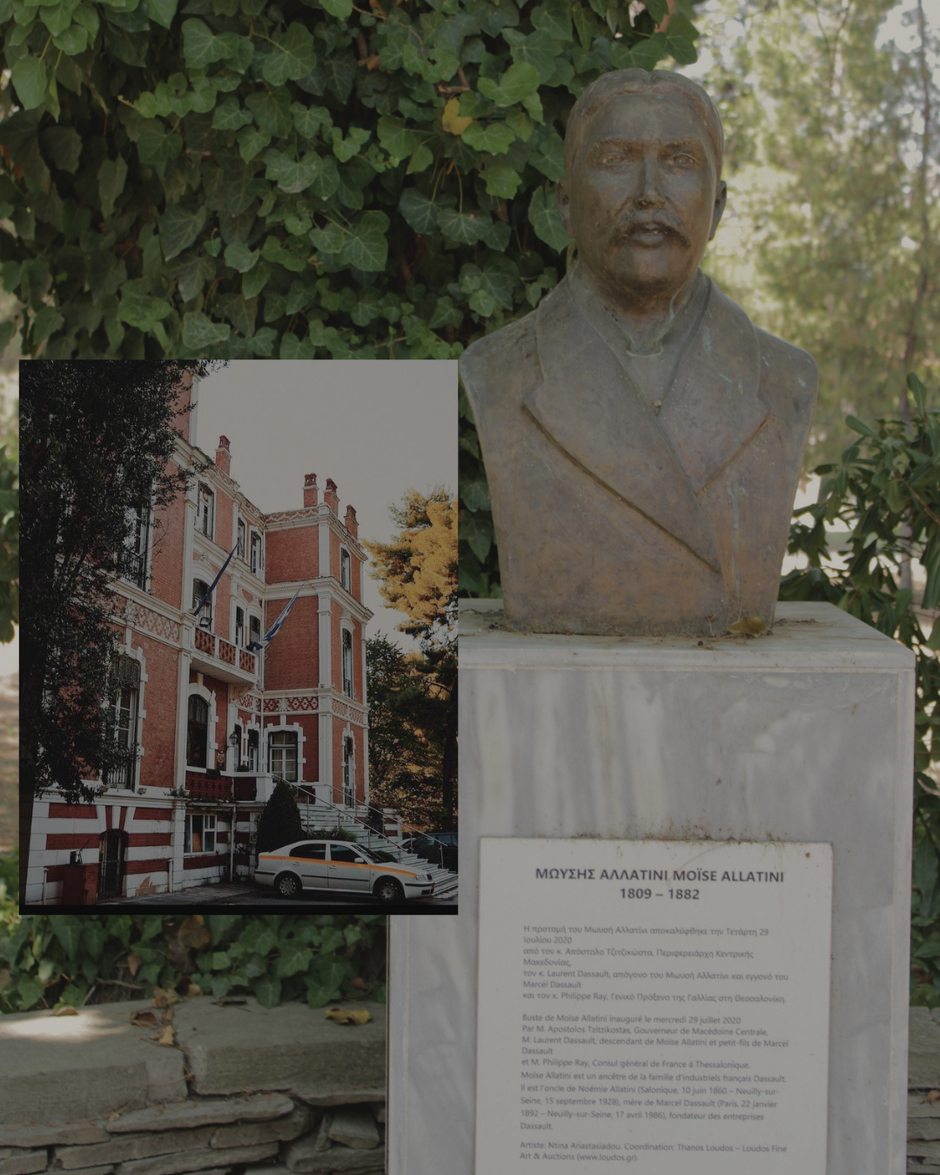
In the 1810s, the Allatini family arrived from Livorno, Italy. They brought money, European manners, and huge ambitions. The Allatinis did not only trade, because their real passion was building. Soon, they created the largest flour mills in the Balkans. Their banks grew, their wealth became legendary, and they helped create a new, rich neighborhood called Exoches.
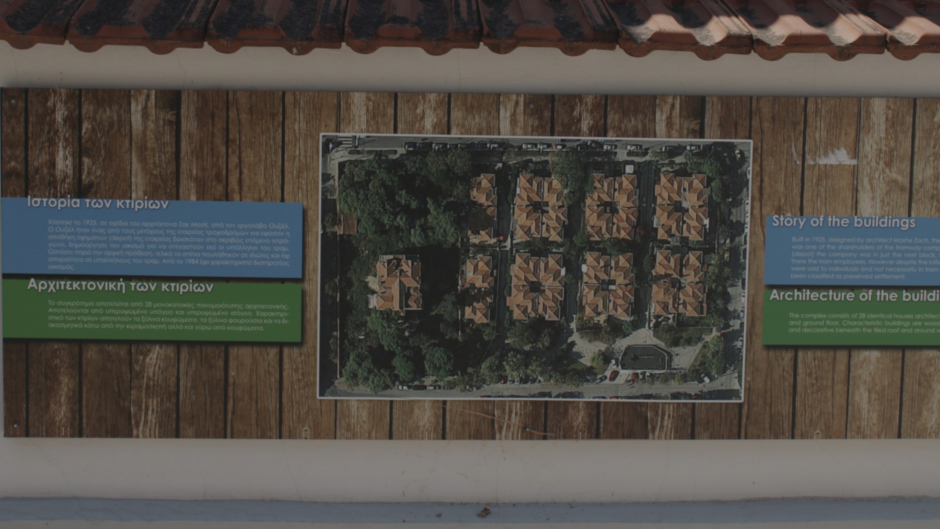
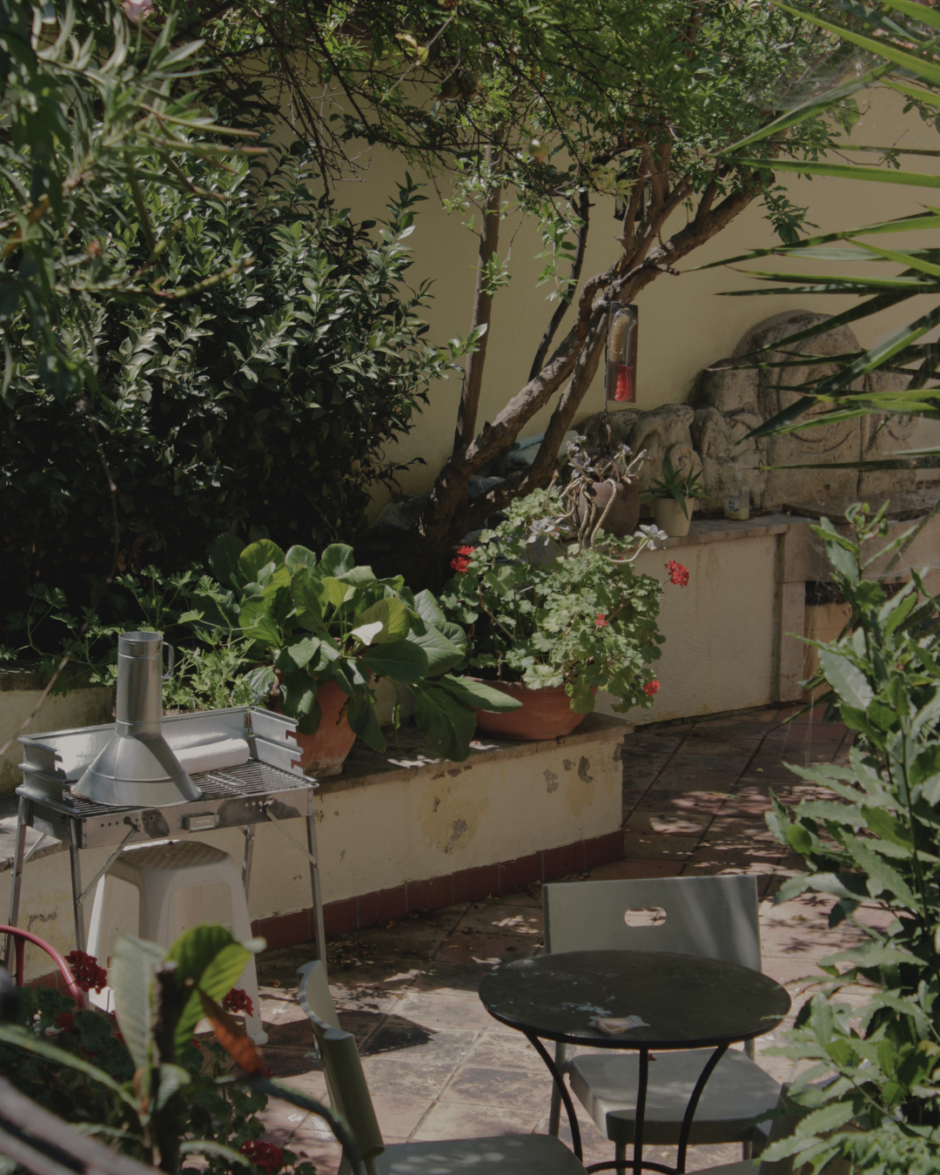
Every morning, wealthy men left their beautiful villas for the city center. Behind them, they left quiet gardens, the sound of silk dresses, and long, lazy summer days. For the Allatinis, the famous Italian architect Vitaliano Pozelli built a spectacular mansion. Made of red brick, Villa Allatini was a statement of eternal power. It had a massive garden that looked like a piece of Tuscany accidentally dropped onto the Greek coast.
Around the same time, another Italian family moved to the city—the Fernandez-Diaz family. The father, Dino, was a brilliant banker who could feel the movement of money the way a captain feels the wind. He wanted a home that would protect his children, Aline, Nina, and Pierre.
He hired the Italian architect Pietro Arrigoni, who built Casa Bianca—the White Villa. It was an elegant house with soft lines, open balconies, and wide windows. It looked like it was made not of stone, but of sea breeze and light.
The Villas in the Context of Thessaloniki Hidden History
April 1909. History suddenly accelerated, crushing human destinies. Sensing political trouble, the Allatini family sold their red-brick villa. Only a few months later, in Istanbul, Sultan Abdul Hamid II was overthrown. In a poetic and cruel twist of fate, the sultan was sent to Thessaloniki and locked inside Villa Allatini.
The grand house, built to celebrate the future of a rich family, instantly became a golden cage for a fallen emperor. Under strict guard, with no right to write letters or see guests, the sultan spent his days in luxury but in complete isolation. He prayed, read, and took short, melancholic walks in the Tuscan garden. The brick walls completely ignored the humans who built them, surviving both the family and the empire.
1912. The peaceful atmosphere of Thessaloniki broke. The Balkan Wars started, and the city became Greek. The old sultan was secretly taken back to Istanbul, where he eventually died. Villa Allatini stood empty. Soon, the Allatini family lost their factories and wealth because their Italian roots became a political danger. They left the city forever, leaving only their name on flour bags.
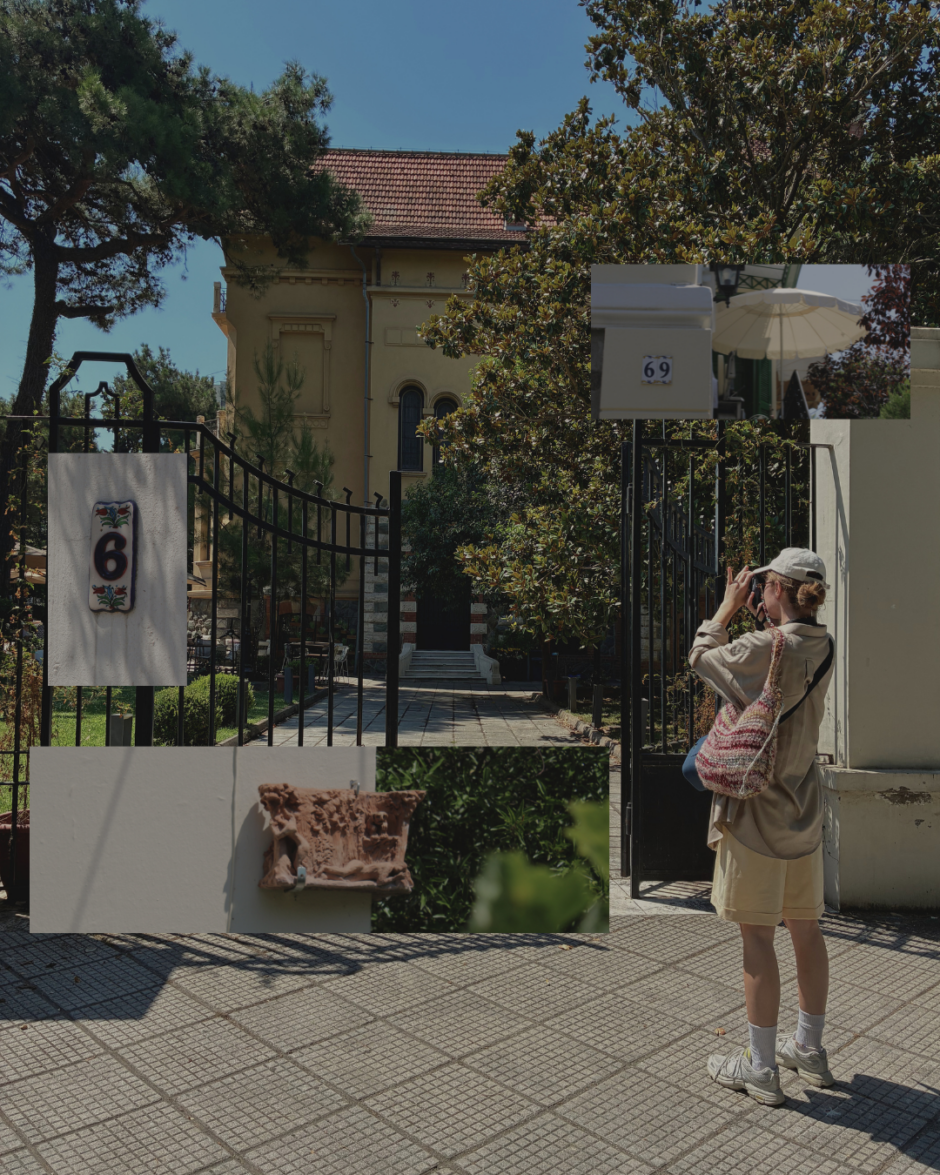
Meanwhile, inside the White Villa (Casa Bianca), a romance was unfolding that felt like a tragic novel. Aline, the beautiful daughter of the banker, fell deeply in love with Spyros Alimbertis, a simple Greek Christian officer. Her Jewish family was furious, but the young lovers secretly ran away to Athens and married. It was a massive scandal. However, years later, her father forgave her. Aline and Spyros returned to Thessaloniki and moved back into Casa Bianca. They did not know that this act of love would later save her life.
1943. The darkest night fell over Europe. The Fernandez-Diaz family fled to Italy, hoping to find safety near a beautiful lake. But history had no mercy. Nazi soldiers found them there and executed almost the entire family.
Only Aline survived. Back in Thessaloniki, the Nazis occupied the top floor of Casa Bianca. But they did not deport Aline to the death camps like the other 50,000 Jews of the city. Because of her marriage, she now had a Greek surname, a Greek passport, and a different religion. She lived on the ground floor of her own home, listening to the heavy boots of German soldiers walking above her head, staring into her dying garden.
Today, the buildings still stand. If you walk through modern Thessaloniki, the 20th century is still there, watching you from behind the trees. The red Villa Allatini is now a government building. The white Casa Bianca is a quiet art gallery where the wooden floors creak. And the massive mills on the edge of the city still bear the name “Allatini,” even though the family vanished long ago.
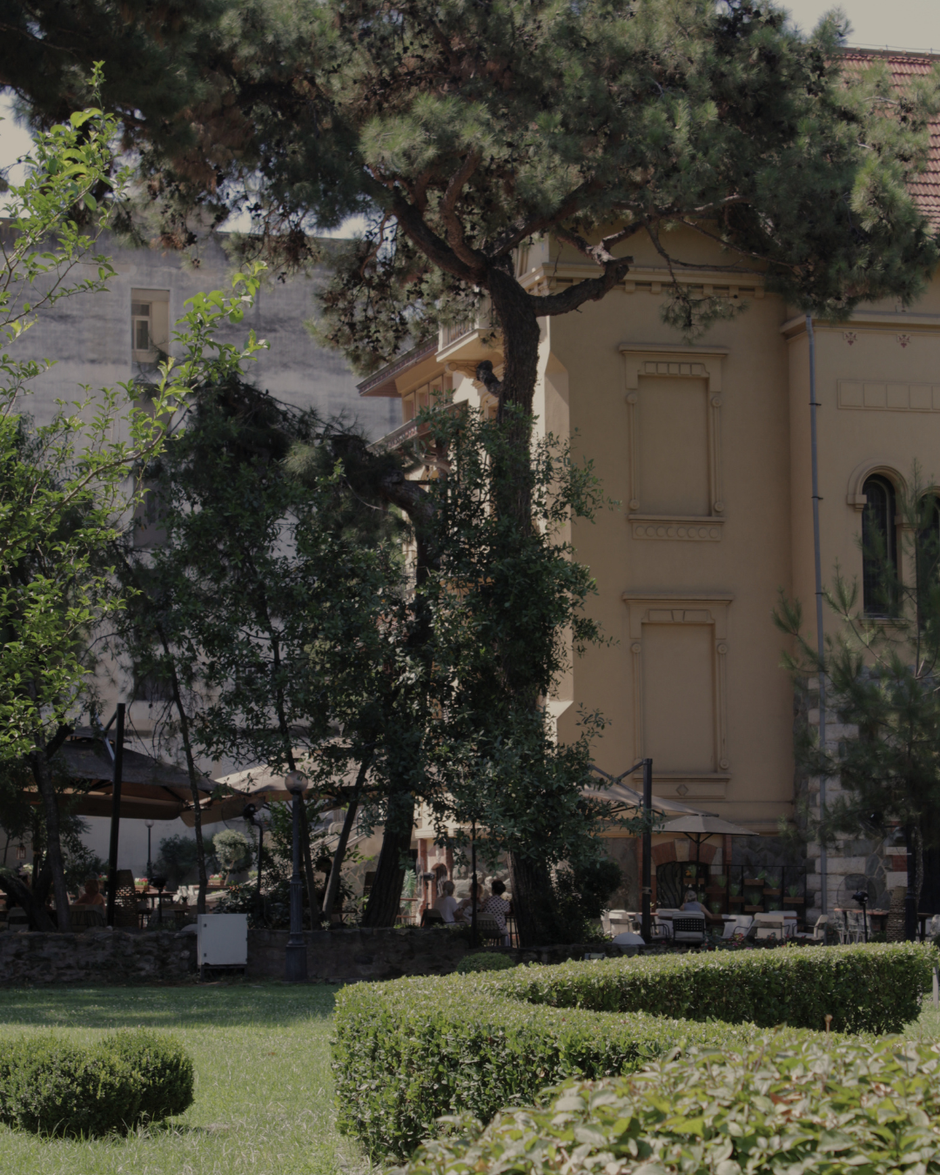
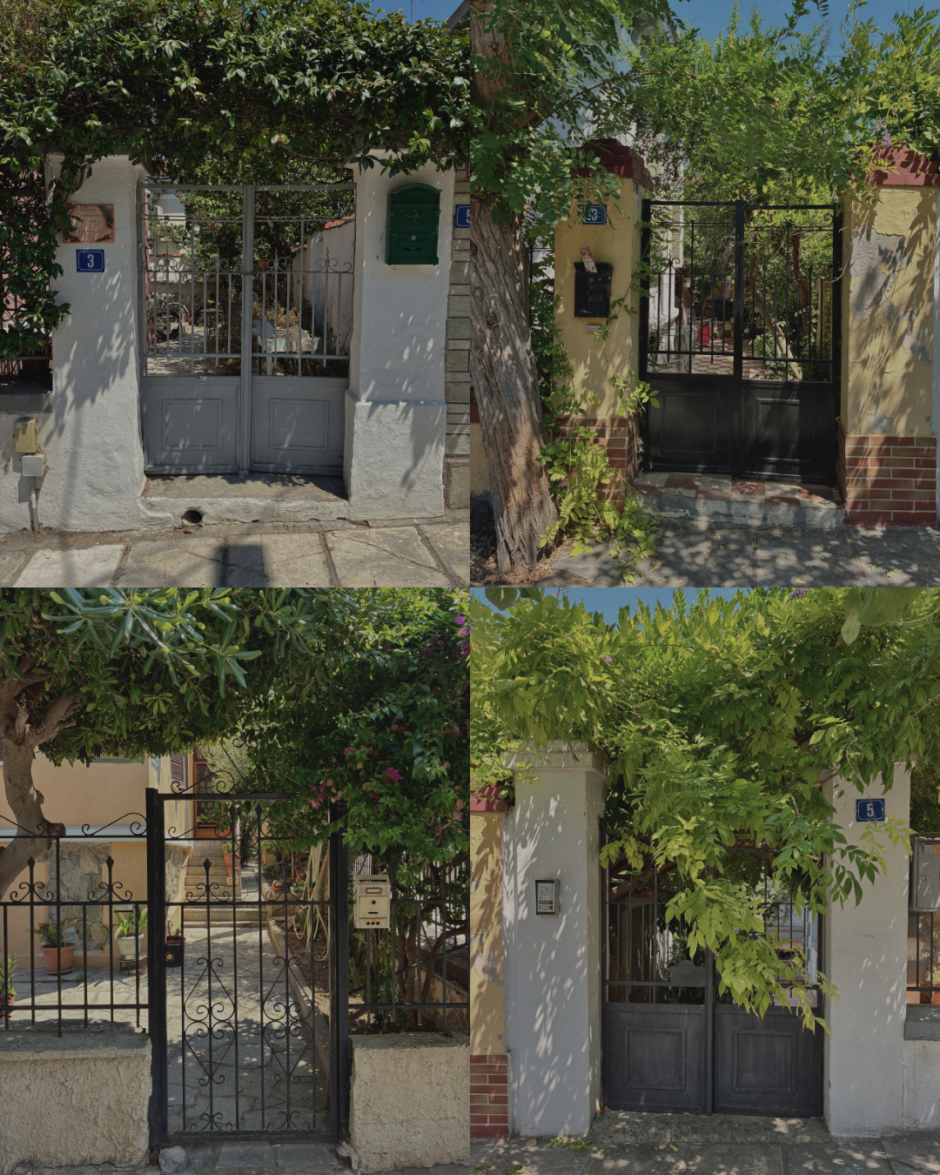
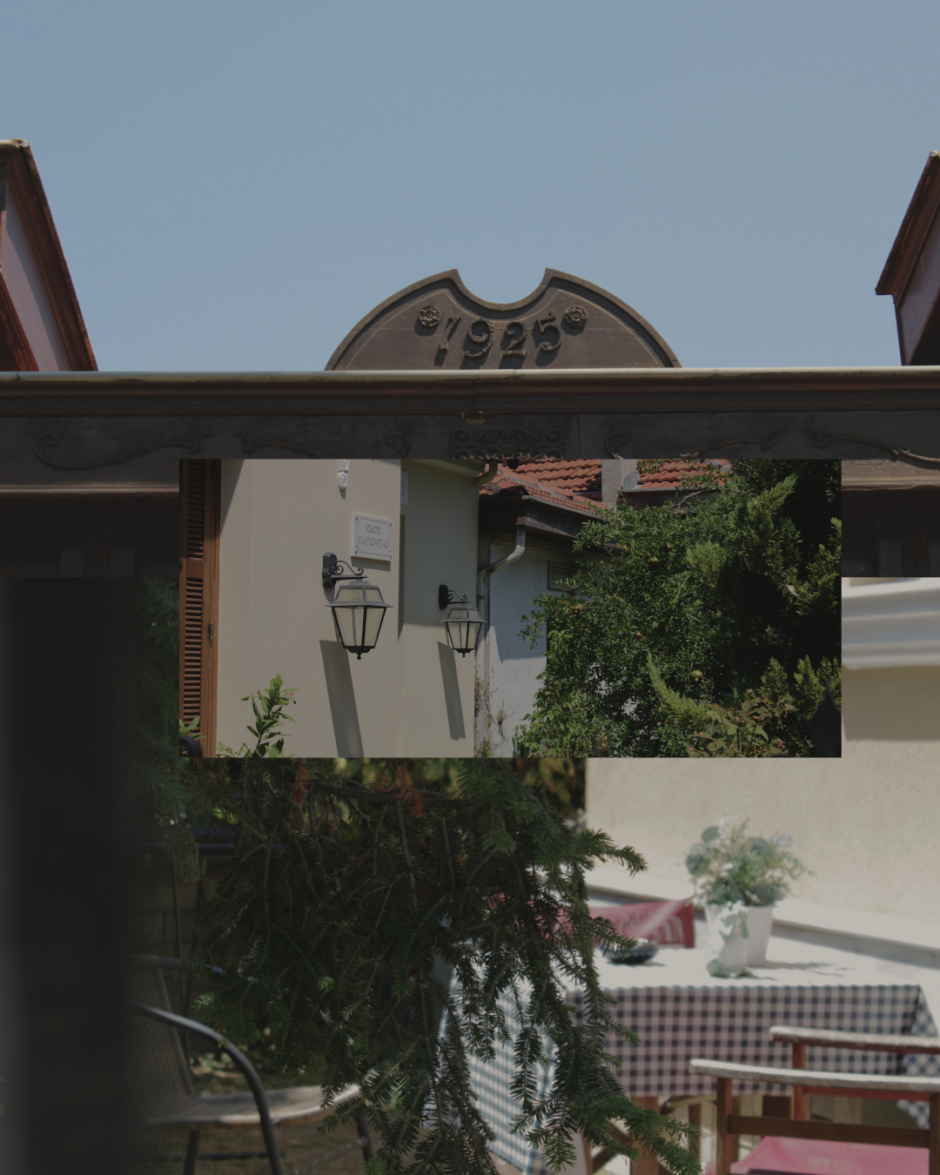
In Thessaloniki, houses are stronger than empires, wars, and human memory. If you walk through modern streets, Thessaloniki hidden history is still there, watching you from behind the trees.

