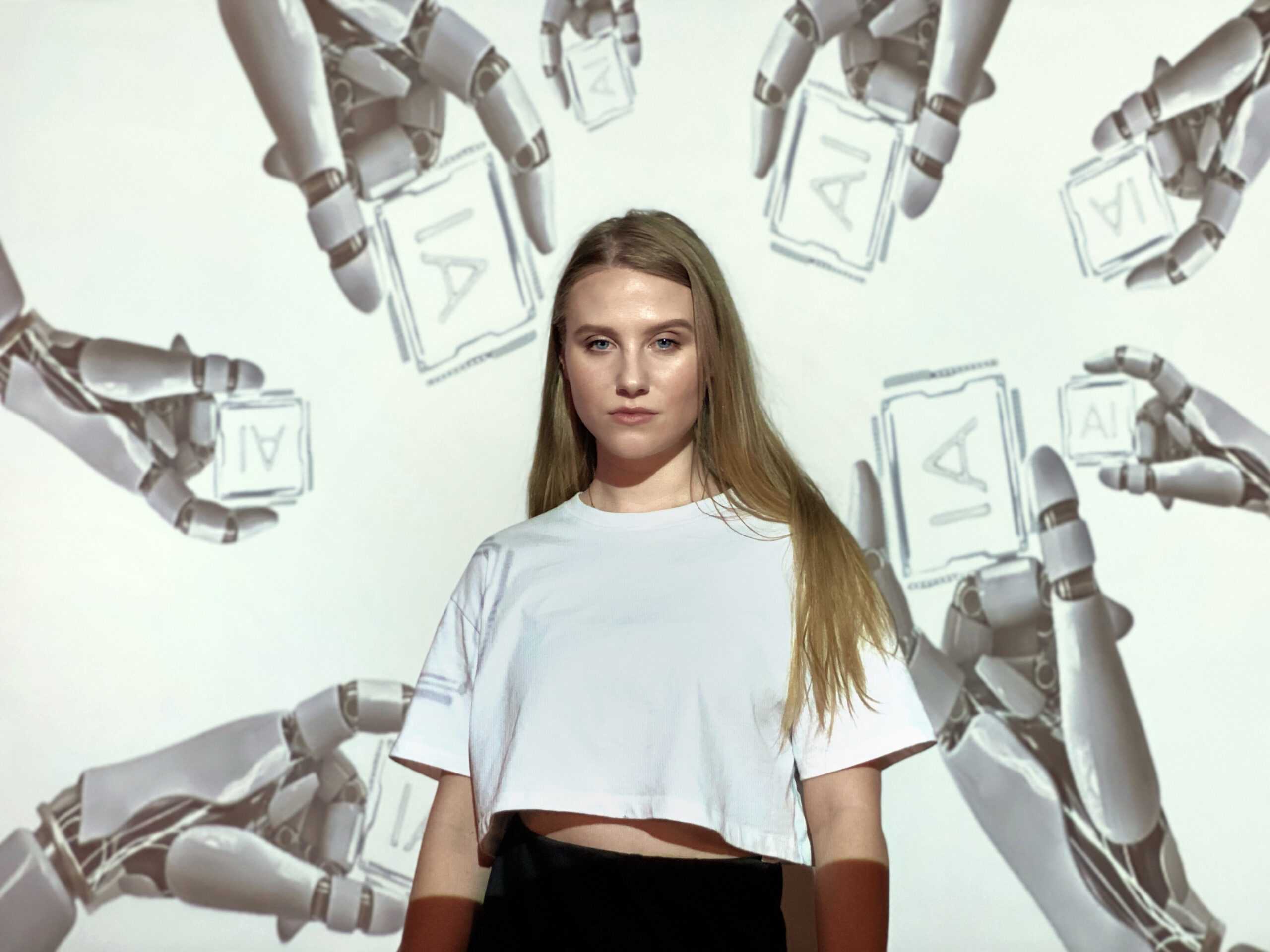
Artificial intelligence is everywhere now. It grows fast, becomes part of our daily life whether we want it or not. In my last article I focused on the environmental cost of AI, and this is important, but it is only one part of the story. The deeper problem is how we use this technology and how we fail to understand it. AI is not dangerous by itself. The danger comes from human choices, habits, fears, and shortcuts.
Fear of new technology is natural. People felt the same when robot vacuums started moving around homes, when microwaves entered kitchens, and when the internet appeared. Today AI triggers the same emotions. People worry about losing control, losing jobs, losing dignity. They say that AI is not good enough to replace them, but good enough for their boss to fire them. They say that clients switch to machine translation and then hire cheap editors to fix the mess. They say that learning to draw feels pointless when someone can type a prompt and get an image. If we pay attention, the responsibility lies with the people who choose AI over humans, and the system that encourages this choice.
I think everyone has already noticed the disadvantages of AI-generated content. They look flat, empty, and predictable. To make AI produce something meaningful, a person must know how to ask the right question. This is harder than it seems. Good prompting requires clarity, intention, and understanding. Many people do not have these skills yet, and the internet fills with content that looks polished but says nothing.
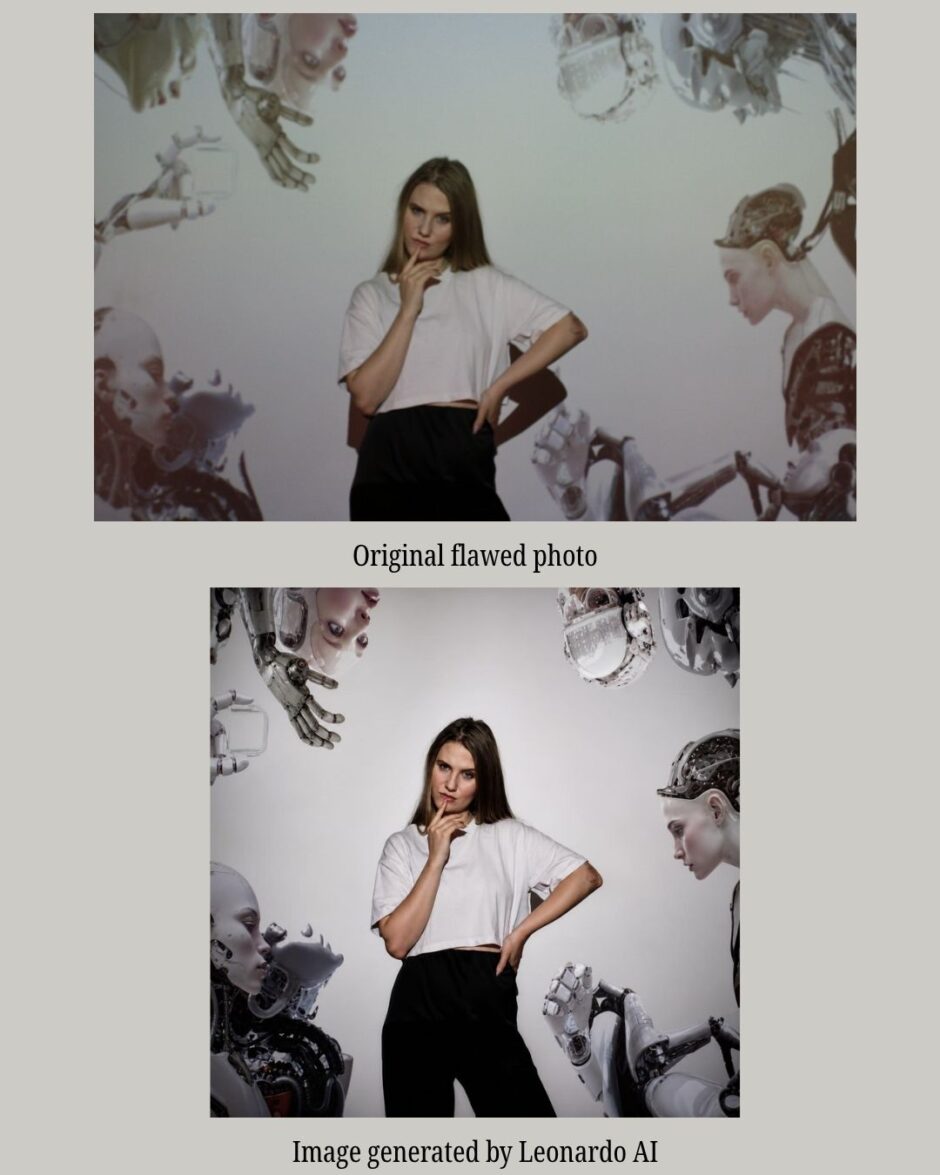
The problem with AI is rooted in unrealistic expectations that shift responsibility away from people, who often see it as a magical tool that will do everything for them. AI is already widely used in science to analyze data and write research. But AI can make mistakes, and people may not always check the information carefully. Later, these studies can become sources for new research, allowing false information to spread and potentially affect areas like medicine and treatment methods in the future. Many managers believe they can replace workers with AI to save time and resources. But in reality AI struggles with complex tasks, makes many errors that humans must fix, and cannot replace experienced professionals.
We already struggled with too much content. AI worsens the situation by repeating the same ideas, using vague phrases, and imitating meaning instead of delivering it. It feels like a student who did not study for the exam and tries to fill the silence with empty words. This makes it harder to find real knowledge, real expertise, and real voices.
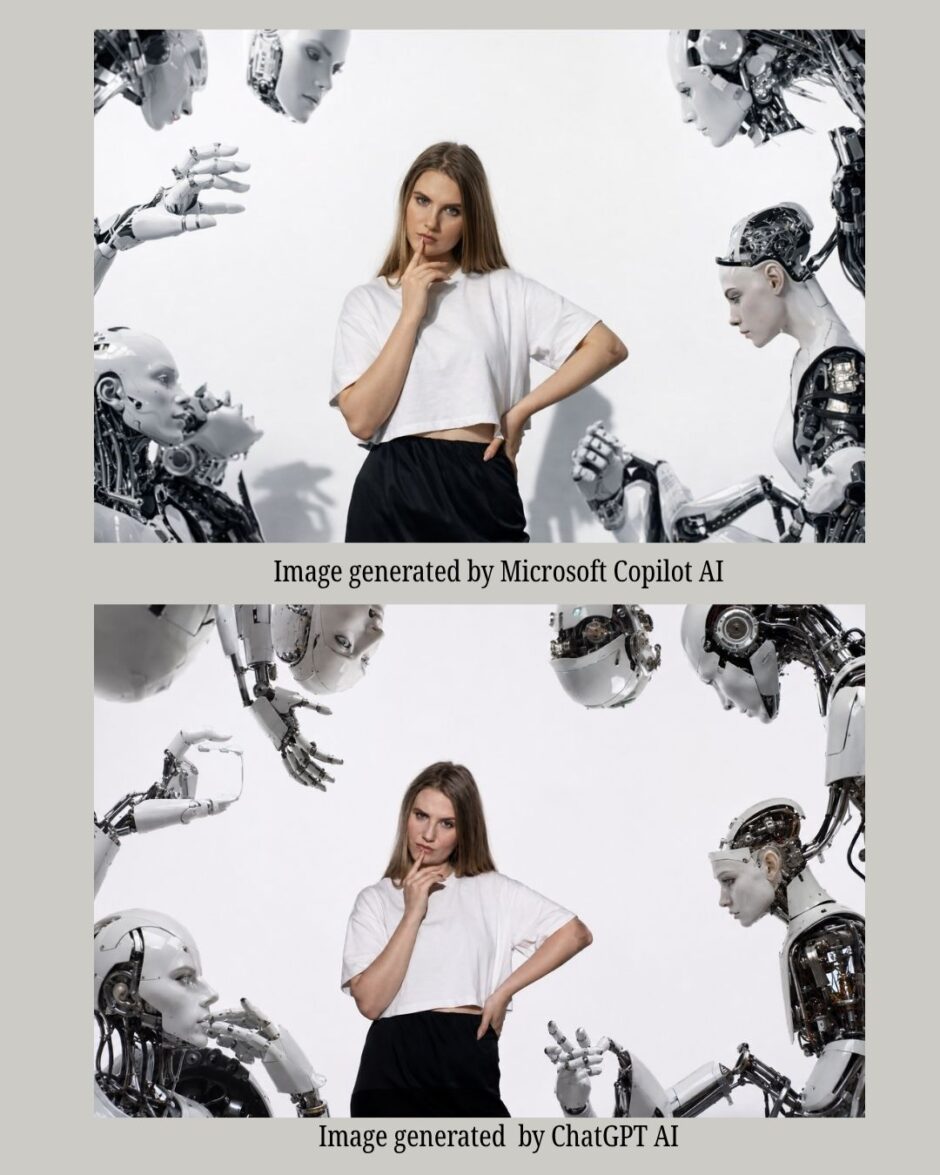
The problem of an overwhelming flow of information has existed since the dawn of the internet, and the emergence of AI only worsens it. People feel overwhelmed, struggle to focus, and lose the ability to separate meaningful content from noise. They want authentic creativity, art with emotion and meaning, and stories that feel alive. However, AI, while it can support creativity, cannot replace the human experience behind it. The same happens in creative fields: AI tools allow anyone to create images, music, and videos. Some works are beautiful and thoughtful, but most are fast, shallow, and made only because it is easy. To protect quality, society needs education, critical thinking, and awareness of how to use it responsibly.
One practical step is transparency. AI generated content should be labeled clearly. This would help reduce deepfakes, restore trust, and give people control over their digital environment. Right now users cannot filter out AI content. They cannot choose what to see. This lack of control creates frustration and anger.
The truth is simple. AI is not going away. It cannot be banned or undone. It already exists and grows every day. The only real solution is to learn how to live with it. We must take responsibility and develop new skills. People must learn how to think critically, create consciously, and use AI responsibly. The crisis around AI is not just a technological crisis; it is much broader and deeper, reflecting our habits, laziness, desire for shortcuts, and fear of effort.

I am writing this article because I want people to see the real reasons behind the negative attitude toward AI. Anger will not fix anything. Hatred will not stop progress. We need awareness and responsibility. If we want a better future, we must change ourselves first. Only then we can use this tool wisely and build a world that feels safe, fair, and meaningful.
This article was written with the help of artificial intelligence as an attempt to demonstrate that this tool can be used rationally and correctly while keeping the human as the main creator.

