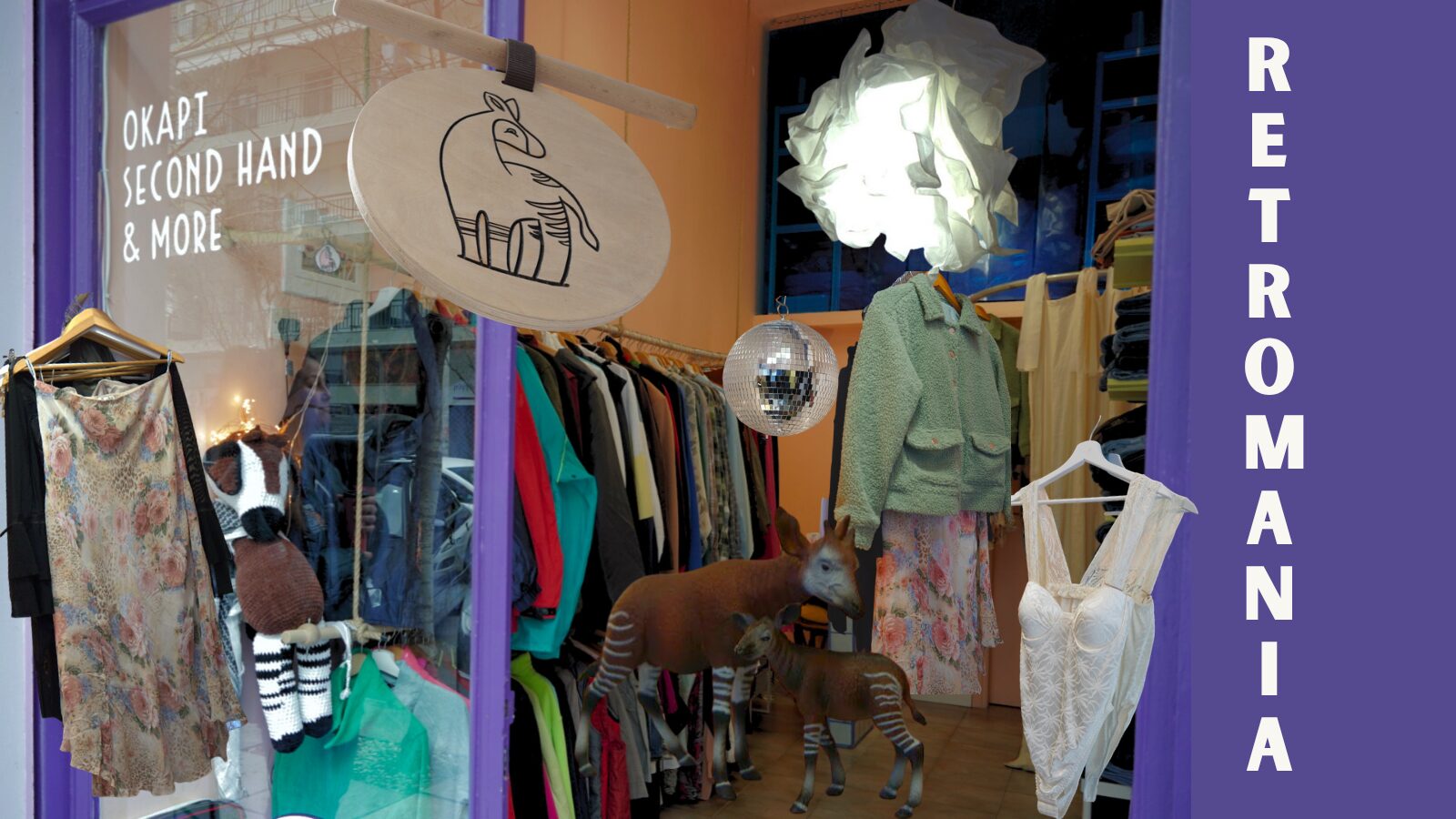
Is Retromania gonna last?
written by Laura
In the time of our hurried modern life, when consumerism has reached historically high levels and clothing trends have become increasingly fleeting and rapidly changing, people started to feel nostalgic for what they view as simpler slower times. Retromania is the term which describes the phenomenon in which contemporary culture becomes fascinated with reviving and recycling past trends instead of creating entirely new ones.
Vintage and second-hand clothing allows individuals to connect with these cultural memories and narratives, turning fashion into a way of engaging with history and identity. For example, film cameras, and “dumbphones” (basic flip phones) reflect a desire for more intentional, tactile, and less “curated” experiences, as well in terms of fashion, consumers frequently look to previous decades for inspiration and authenticity. Moreover, as a response to fast fashion and mass-produced clothing, research on fashion consumption shows that vintage clothing has moved from a niche subculture to a widespread cultural practice as it allows people to dispose of their belongings without feeling like the clothes are going to waste.
My focus was to find out if besides the phenomenon, people are able to define more their style besides copying the trends
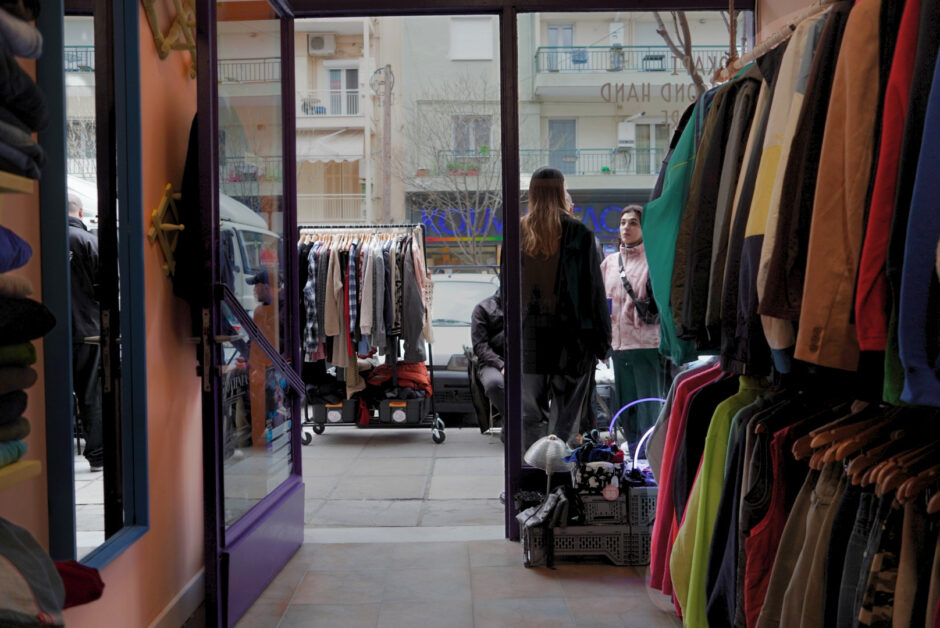
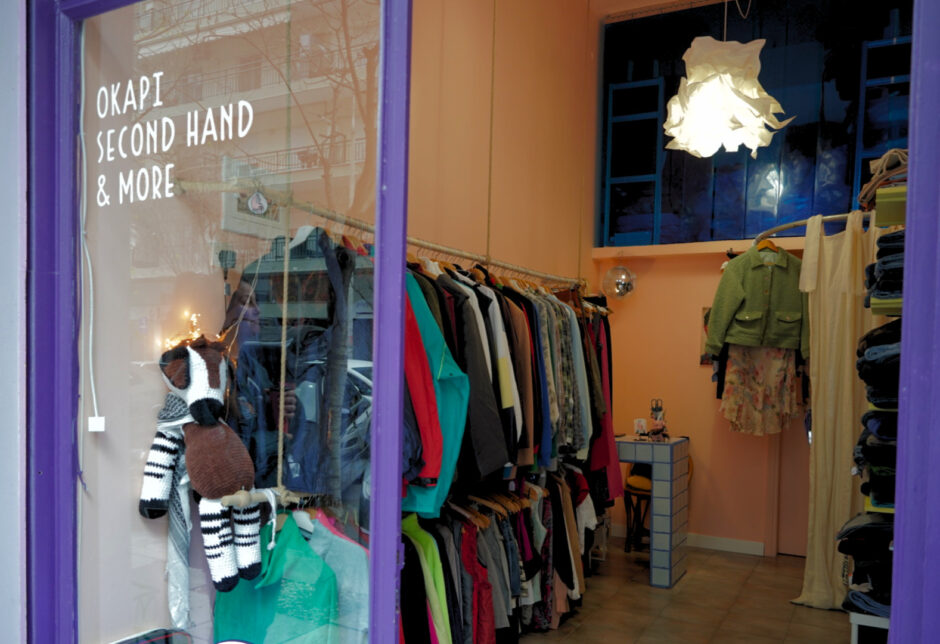
I talked with two owners who have two different stories. Stavroula, who is pretty new in the market, just opened her shop last year and Nectarios, who has been in the business for more than 8 years. Their decision to open the shops was driven by personal reasons like Stavroula who had worked for a corporation and realized that life is too short to not do something you really love. She was also inspired by her grandmother, who left a mark on both her life and her closet.
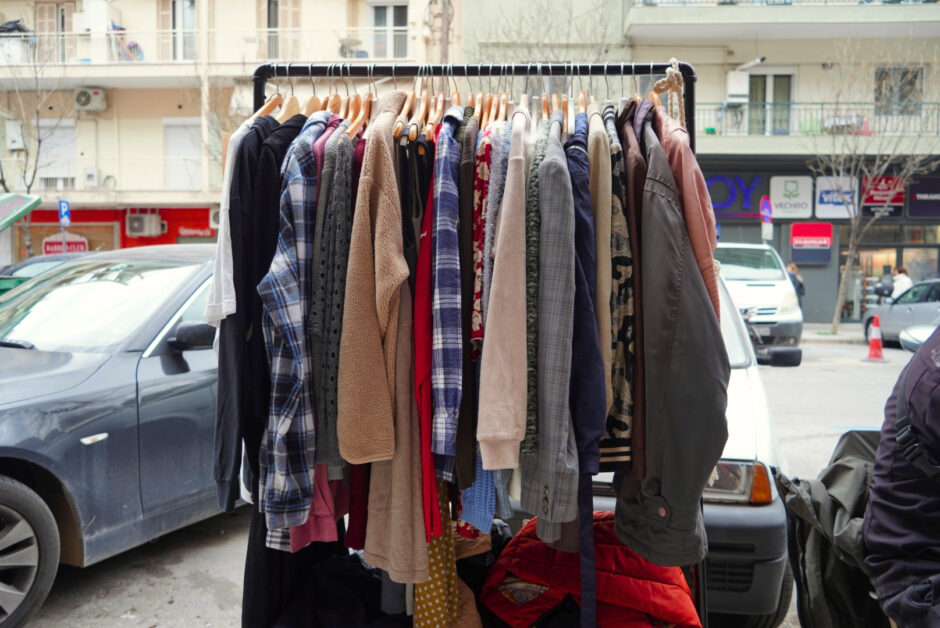
Nectarios grew up surrounded by clothes because his parents owned a clothing store. As a child, he was always around the shop, which gave him an inside understanding of how a clothing business operates. He first discovered the concept of thrifting while traveling across Europe. During his travels, he recognized the potential of Thessaloniki, where the availability of second-hand clothing was particularly high. Today, he owns two stores, one of which combines a thrift shop with a bar, creating a unique social and shopping experience.
Q: Do you personally choose the merchandise, and what criteria guide your selection?
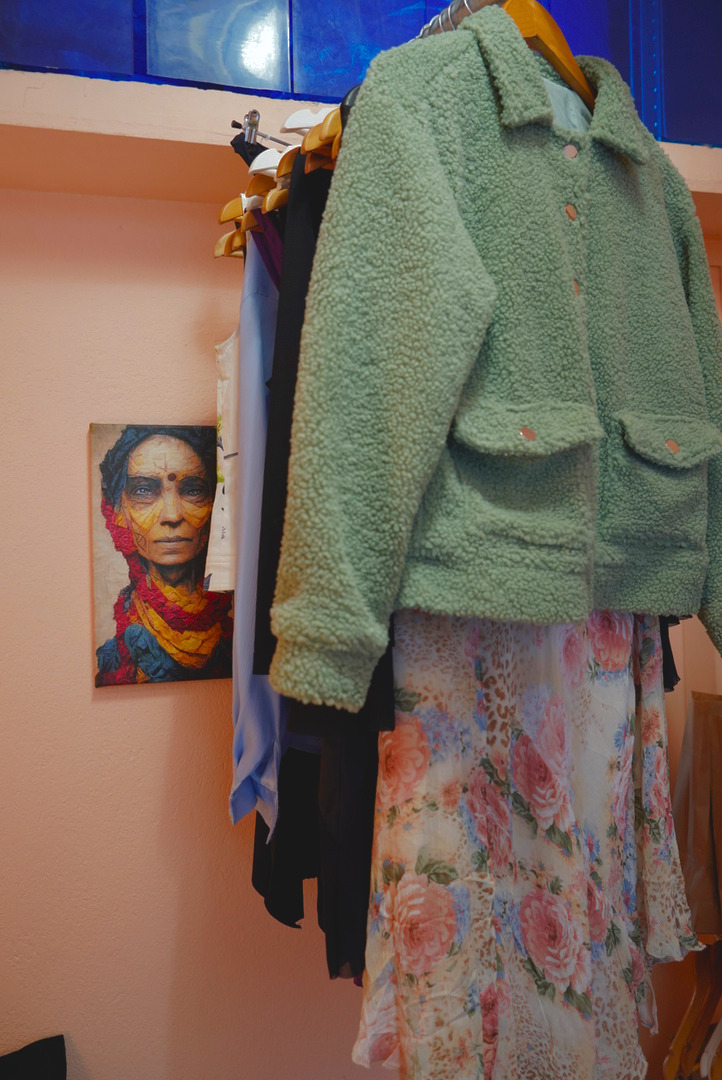
S: For now, I’m more interested in experimenting. When I didn’t understand how the business worked, I was honestly disappointed because I used to romanticize the selection process. It was challenging to find suppliers because there were large quantities available, but not always much quality. Usually, I choose pieces the same way I would choose them for myself, which is why it’s sometimes hard to let certain items go 😊. I’m always looking for the best way to avoid buying clothes in bulk, especially since the shop doesn’t have enough space to carry a huge selection. However, the industry can be quite overwhelming at times, especially when you see all the trucks filled with clothing.
N: Yes, I used to select clothes based on my personal fashion preferences, thinking of people who wanted to express their individuality and find unique pieces. However, nowadays people tend to look for what is currently trending. For example, many customers are no longer interested in colorful clothing or styles from the 1980s. Even if people are not always aware of it, most of us are influenced by trends. In a way, if you don’t follow trends to some extent, it can be difficult for a fashion business to succeed.
Q: Vintage clothing refers to older garments that represent the style of a particular past era, while second-hand clothing refers to any garment that has been previously owned and worn. Are customers aware of this distinction when they come to your shop, particularly in the way they understand the pricing?
S: No, most of them don’t understand the differences. I didn’t want to label my shop as a vintage store because I knew that not all of the clothes would be vintage. Many people don’t recognize the uniqueness of a piece. They don’t realize that it reflects a specific period, was tailored in a particular way, and made from specific materials. Moreover, a vintage shop offers a different experience from a thrift store. As I mentioned, I select the products myself because I genuinely enjoy choosing the pieces. For example, if a customer tells me they are looking for a specific item, I will try to find it and bring it into the store. It’s about offering a complete shopping experience. At the same time, it’s perfectly okay if someone doesn’t connect with a particular piece. It may simply mean that it wasn’t meant for them. I believe that every piece eventually finds its owner.
N: Yes, they are confused. They don’t really understand the differences, and they are often surprised by some of the prices. But the difference is the experience you have in each store. The selection of the products is what makes the prices different between a vintage store and a thrift store. The clothes we have in the store are not selected randomly. Vintage stores target a different customer profile and put a lot of effort into offering a real experience to their clients. In the end, it depends on whether people want to have an experience or just buy a thrifted piece.
Q: Based on your observation, have you noticed that the fast-paced nature of modern life encourages people to feel nostalgic for what they perceive as simpler, slower times?
S: I think yes, people are starting to appreciate quality more, especially the longevity of a material, as most fast-fashion stores are selling pieces that don’t last, both in terms of durability and trends.
N: Of course. People are somehow unable to create something entirely new. We recycle not only clothes, but also music and many other things. Most people are still consumers, buying clothes because of trends and going back to the ’80s and ’90s, which has transformed vintage fashion into something different.
Q: Besides economic reasons, which have made thrift shopping more popular in recent years, have you noticed that people nowadays are more likely to shape their appearance and surroundings to express a certain identity?
S: Among older people, money is the main factor, but the young generation is motivated, and they are willing to show their true identities and express themselves openly, using fashion as one of their tools.
N: At the beginning, when I opened the store, my main idea was to help everyone find very unique clothes that could represent their personality in a unique way, more than just a form of fashion, but as a way of expression. However, I think the fashion industry and trends have pushed people more toward consumerism and superficiality.
Q: Have you noticed an increasing number of older people coming into the shop, in addition to your regular younger customers, considering that in the past second-hand clothes were often associated with “poor” people?
S: That’s actually what I like most about this shop. My first client was a 70-year-old neighbor, curious about what I was selling here, and now she brings her friends often to see the new pieces. I think this is the most valuable thing I have gained here, the older clients, mostly women, but sometimes men as well.
V: Yes, mostly alternative older people who want to support the idea and who want to be closer to the new generation. But I still believe that there is this mentality among older people.
Q: Do you think this desire to purchase these clothes reflects a form of rebellion against consumerism and the fast-changing nature of fashion trends?
S: Yes, I think thrifting nowadays is a kind of rebellion against consumerism. Definitely, yes..
N: Unfortunately, I think that people are still fashion victims. The majority still buy a large amount of clothes, even though they are more aware and involved in sustainability.
Q: In the context in which, thrift shopping offers a convenient alternative to purchasing mass-produced clothing and fast fashion, inexpensive clothing that copies current high-fashion trends, do you consider vintage clothing a style itself, do you see this as a style based on trends nowadays or a well-defined and grounded style that can last a lifetime?
S: Yes, I wish it would last forever. As I mentioned, thrifting is a full experience, from helping define one’s own style to offering inspiration in finding a personal style. I like to imagine the story of each piece of clothing, the life it will live after it is bought by someone, the outfits it will be integrated into, and the attitude and comfort the person will feel when wearing it.
V: I do believe that a few people build their unique style based on the inspiration they get from the vintage approach in general. Unfortunately, even when some celebrities in Hollywood have supported the idea of sustainability and helped promote and elevate thrifting, the belief that second-hand clothes should always be cheaper is still a common mentality, especially among older generations.
Q: Do you think a unisex approach to clothing will become more prevalent in the future?
S: I hope so. I think it is connected to the way this generation views gender. When young people enter the shop, they don’t usually ask whether a garment is for men or women. It’s more about playing with clothes, seeing how they feel on your body, and embracing them. It’s more about the tailoring and the fit than the gender label.
N: Yes, we have already adopted this approach in our stores. We classify clothes only by style and size, rather than by gender.
Having these two different perspectives does not offer a strictly positive or negative view of the future of thrifting and fashion, but rather a balanced one. A fresh and hopeful perspective from Stravoula, combined with a more neutral and reserved view from Nectarios, suggests that we still need to improve our mindset and become more aware of sustainability, material quality, and the authenticity that this kind of experience offers us, in order to improve not only our lives and become less afraid to choose uniqueness, but also the life of our planet.
We would like to thank for the interview
Okapi second hand and more
https://www.instagram.com/okapi_skg?utm_source=ig_web_button_share_sheet&igsh=ZDNlZDc0MzIxNw==
Oldd Fashion -Vintage Clothing & Rusty Bar

