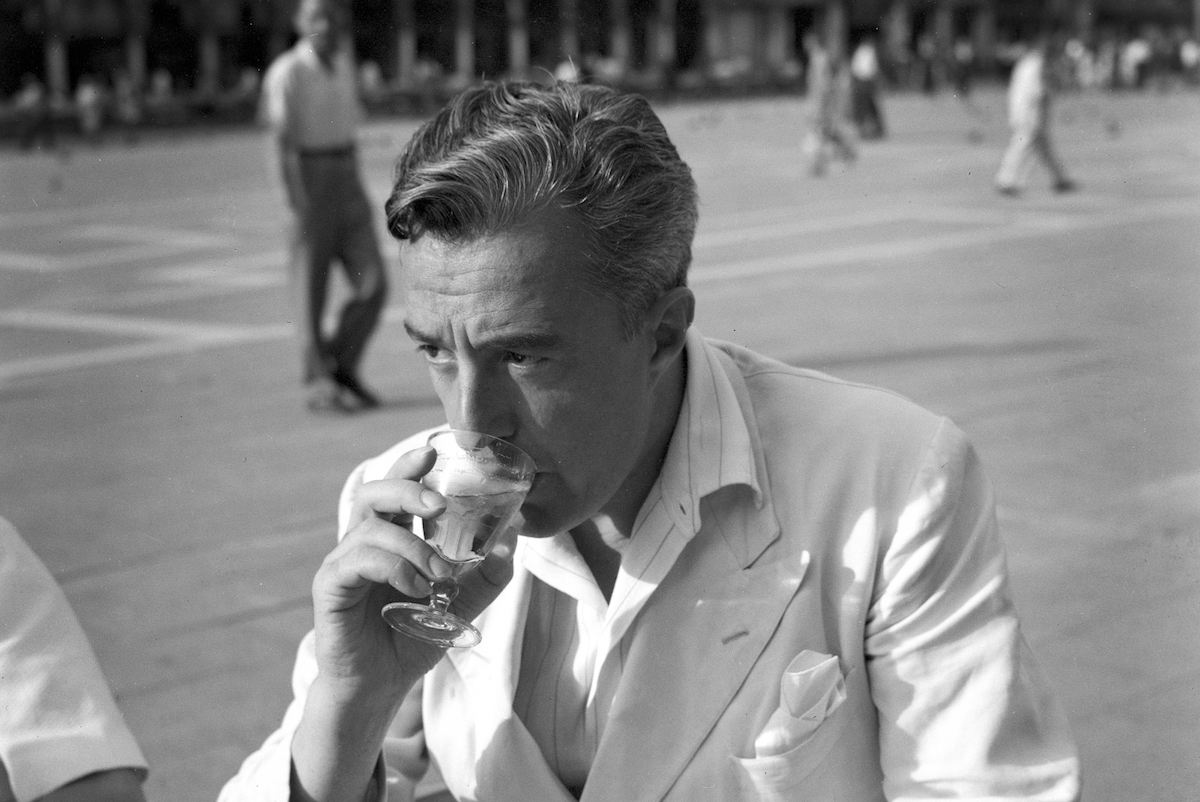
There are many great directors. Some introduced groundbreaking techniques, narrative methods, and artistic approaches; others created masterpieces using unprecedented technological means. Some foresaw a dystopian future, while others delved into the complexity of human nature, crafting films that flirted with psychoanalysis, self-actualization, and the eternal search for meaning in existence. And then others chose to give cinematic form to reality itself: to ordinary, everyday people, to common struggles, financial dead ends, unemployment, poverty, and despair. A decision which, although it may seem simple or obvious today, once shook the cinematic world to its core, brought filmmakers face-to-face with the government, and ultimately evolved into one of the most historic, defining, and influential film movements of all time. This is Italian Neorealism, and Vittorio De Sica, who on this day, November 13th, 1974, “left behind” the reality he loved so deeply, stands as its greatest orchestrator.
Born on July 7th, 1901, in a small town in Lazio to a Neapolitan mother and a father of Campanian origin, Vittorio spent the first years of his life between Sora, Naples, Florence, and Rome, the city in which his family eventually settled permanently, and would later become the backdrop of his greatest masterpieces. The impetus for his involvement in acting came from his beloved father, Umberto De Sica, who, although he worked as a journalist and later as a bank employee, occasionally appeared in silent films. In the early 1920s, young Vittorio began his career as a theater actor and soon stood out thanks to his talent. Gradually, he transitioned to cinema as well, and within a few years, managed to establish himself as one of Italy’s most charismatic and prolific actors.
It was in the early 1940s that De Sica decided to turn to directing, offering both Italian and world cinema some of their most timeless masterpieces. In opposition to the superficial and contrived cinematic trend of the telephoni bianchi that dominated Italy at the time, films devoid of substance, concerned with the trivial problems of the bourgeoisie and the aristocracy, De Sica directed his first neorealist film in 1946, Sciuscià (Shoeshine). The heartrending story of young Giuseppe and Pasquale, who shine shoes on the streets of Rome while dreaming of buying a horse of their own, was honored with the Academy Award for Best Foreign Language Film and marked a turning point for Italian cinema: for the first time, the poverty and deprivation that plagued the majority of the population in a country shattered after the Second World War were depicted on the big screen.

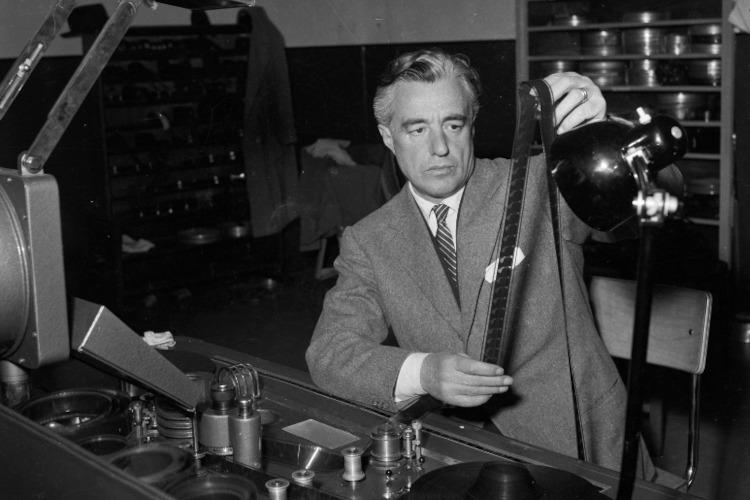
De Sica did not romanticize poverty or destitution, nor did he resort to melodramatic storytelling. He simply brought reality to the screen. However, the crowning achievement of his directorial mastery and, by broad consensus, the masterpiece of the Italian Neorealist movement, came two years later with the legendary film Bicycle Thieves. The journey of Antonio Ricci and his son Bruno through post-war Rome in search of a stolen bicycle on which their very survival depends is considered one of the greatest films of all time and was also honored with an Academy Award. Two more landmark films of the neorealist movement followed: Miracle in Milan, winner of the Palme d’Or at the 1951 Cannes Film Festival, and the harrowing Umberto D. in 1952, De Sica’s personal favorite creation, dedicated to his beloved father.
A distinctive feature of De Sica, which contributed decisively to the excellence of the films he directed, was his deep and sincere love for his characters. Ordinary people, like millions of others, he brought out of obscurity and elevated into significant protagonists, giving attention to their stories and portraying them with compassion. He dedicated his films to the everyday figures of the cities, poor, unemployed, and destitute, who became the focus of his cinematic storytelling. De Sica portrayed their struggles and the harrowing fight for survival not as a savior or a critic, but as a creator who respects and understands them. In the masterpieces of his neorealist period, De Sica did not cast famous or established actors, but amateurs: Lamberto Maggiorani from Bicycle Thieves was a factory worker, and the iconic Umberto D. was played by Carlo Battisti, a retired university professor. De Sica knew well that the qualities these people would bring to their assigned roles, their life experiences, the daily struggle to make a living, frustration, and despair, could not have been conveyed by a high-profile star.

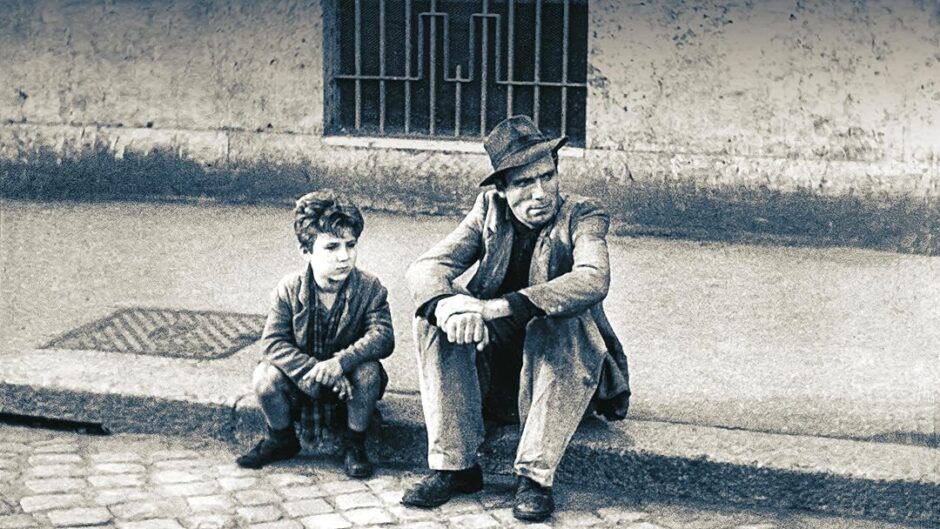
The greatness of De Sica lies in the fact that, through simple scripts focusing on the everyday lives of common people, the natural performances of amateur actors, on-location filming in the streets of Italian cities, and the use of authentic sounds, he managed to address countless sociopolitical issues in Italy and highlight the country’s new reality after its subjugation under the fascist regime and defeat in the Second World War. He did not make films to entertain the audience, nor to romanticize poverty: he placed a mirror in front of the Italian people and allowed them to see the extreme point to which they had arrived. Very few of his films have a happy ending: De Sica’s characters are defeated, their struggle does not cease, nor are they redeemed when the film reaches its conclusion. As it turned out, the Italian public was not ready for this, as evidenced by the commercial failure of his neorealist films in his homeland. Equally unprepared for the emergence and international triumph of De Sica’s neorealist films was Italy’s political leadership: Prime Minister Giulio Andreotti personally sent him a letter accusing him of defaming and disgracing the country.

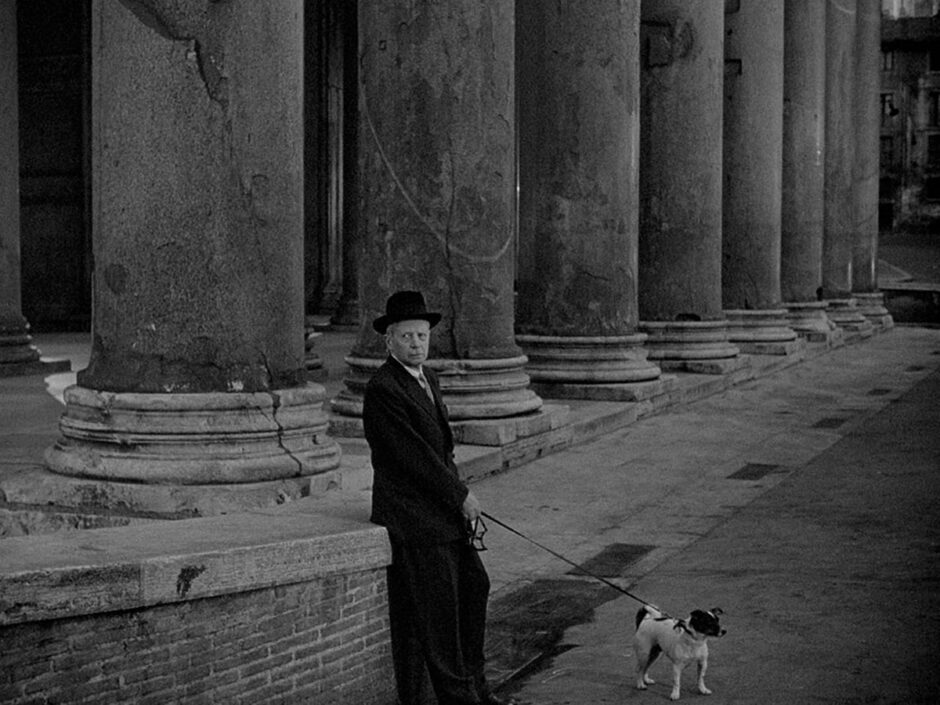
As the years passed and the political and economic conditions shifted slightly, De Sica’s directorial focus ceased to be exclusively on the realistic depiction of reality. He began collaborating with top-tier stars such as Marcello Mastroianni and Sophia Loren, who in Two Women (La Ciociara) became the first foreign actress to win the Academy Award for Best Actress. The style of his films gradually became lighter, leaning toward romantic comedy. He faced criticism and doubt, yet, like his beloved characters, he remained a normal human being with needs, passions, and flaws: he knew that lighthearted comedies would generate significant revenue, which he used to fund his more serious films, while his enduring passion for gambling was also well known.
Much can be said about this legendary filmmaker. He may be questioned, praised, or even idolized by cinephiles around the world. Yet one truth remains: he gave cinematic visibility to simple, everyday stories, to people next door who transcended Italy’s borders. His characters became universal figures of the struggle for survival; they are not portrayed as saints or modern martyrs, but reflect reality in its entirety.


